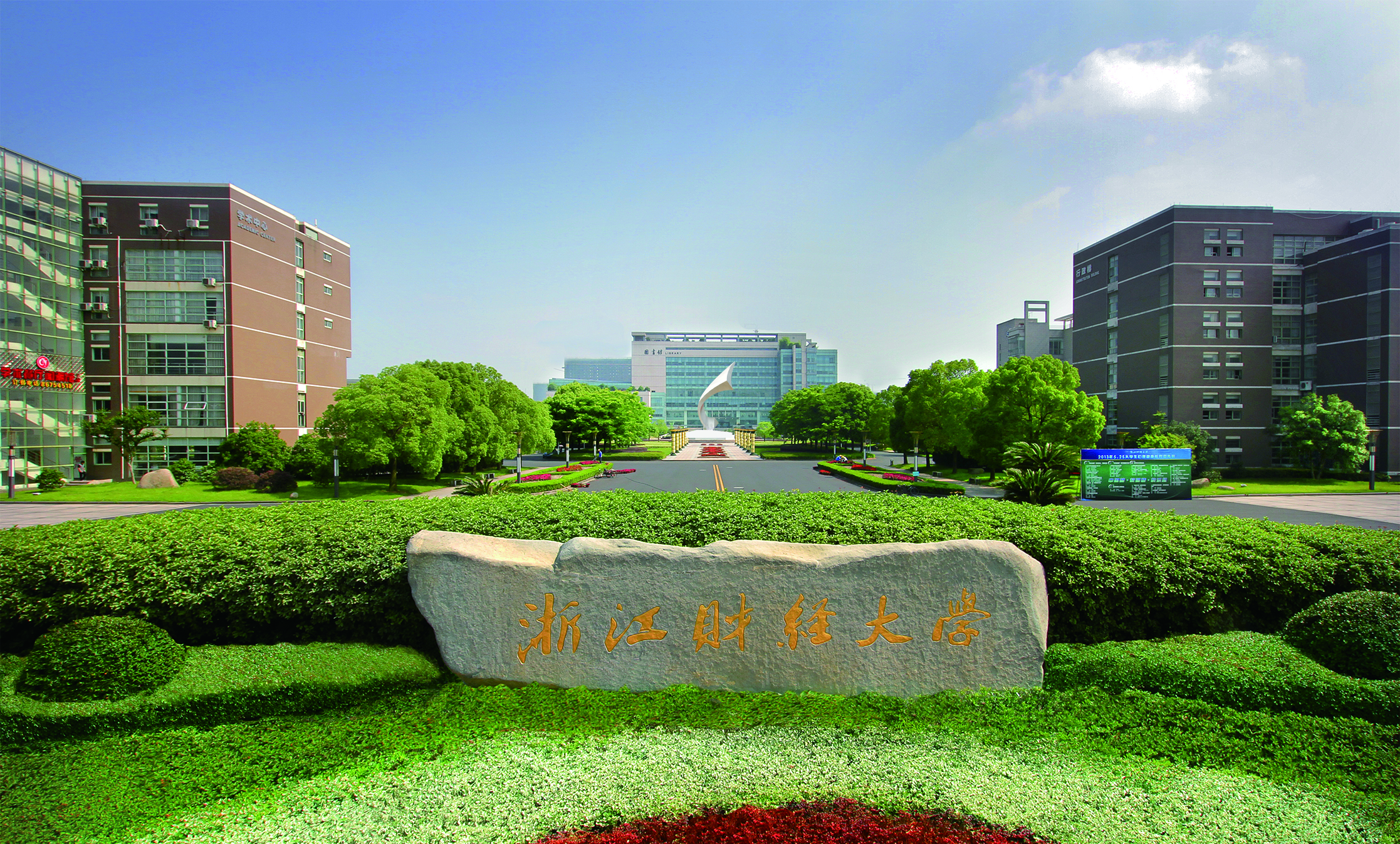
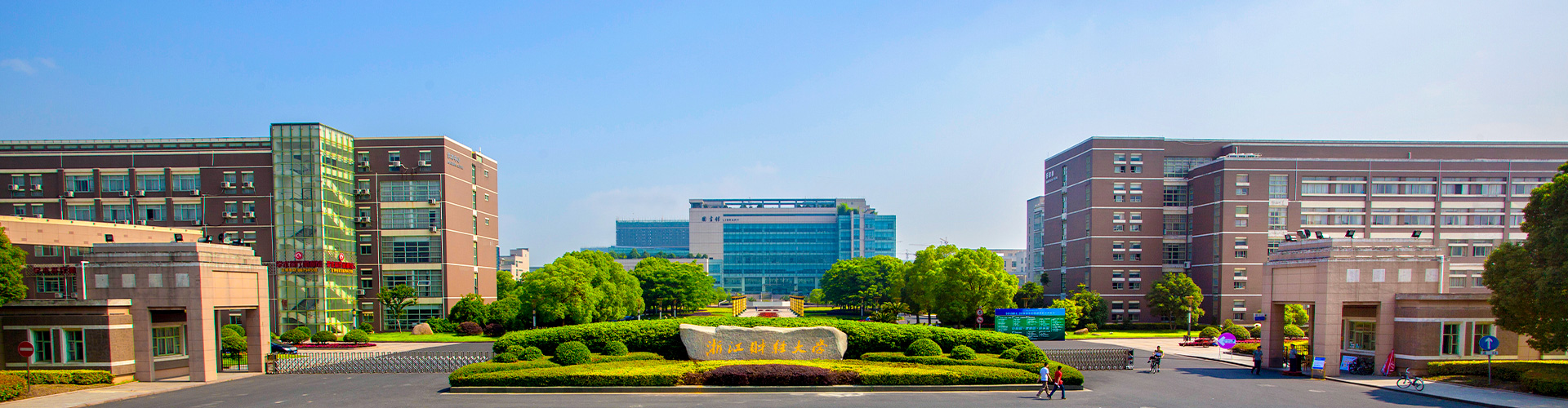
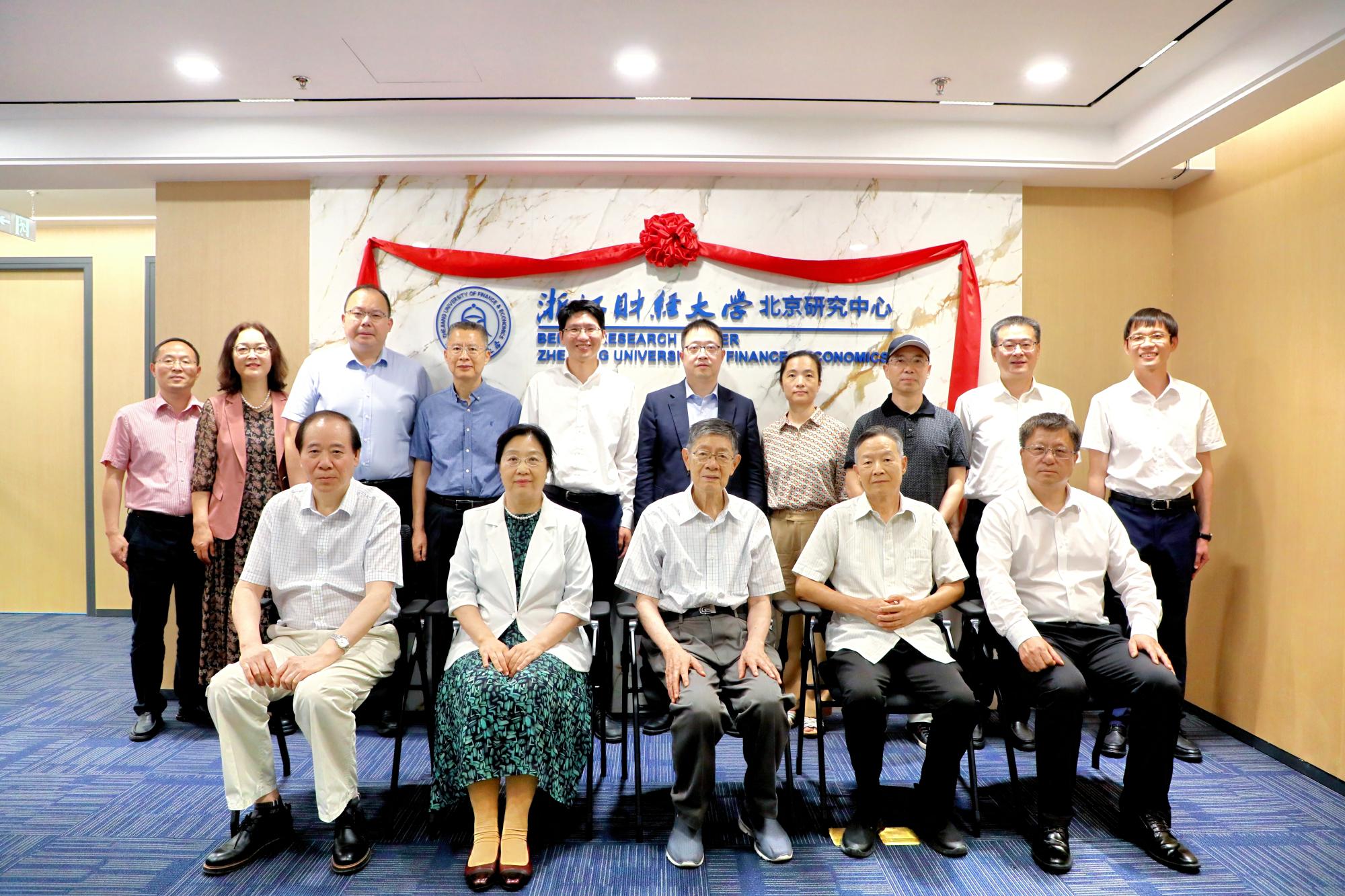
On June 20, an important milestone in the development of ZUFE, the unveiling ceremony of ZUFE Beijing Research Center, was held in Beijing, alongside the “Symposium on ZUFE Serving National Strategies.” Wei Jiang, Deputy Secretary of the Party Committee and President of ZUFE, attended the ceremony and delivered a speech. Distinguished experts, representatives from partner organizations, outstanding alumni and ZUFE’s senior management jointly witnessed the important moment. The attendees included: Professor Zhang Zhuoyuan and Professor Shi Dan, Members of the Chinese Academy of Social Sciences (CASS); Professor Qiu Baoxing, Academician of the International Eurasian Academy of Sciences (IEAS); Professor Chen Binkai, Vice President of Central University of Finance and Economics (CUFE); Zhang Yong, Vice President of BOCOM Beijing Branch; Yu Zheng, President of ZUFE Beijing Alumni Association; Zheng Yali, ZUFE Vice President; Professor Wang Junhao, a national leading talent, alongside heads of functional departments and academic schools. The ceremony was presided over by Xu Xiaodong, Deputy Secretary of the Party Committee of ZUFE.
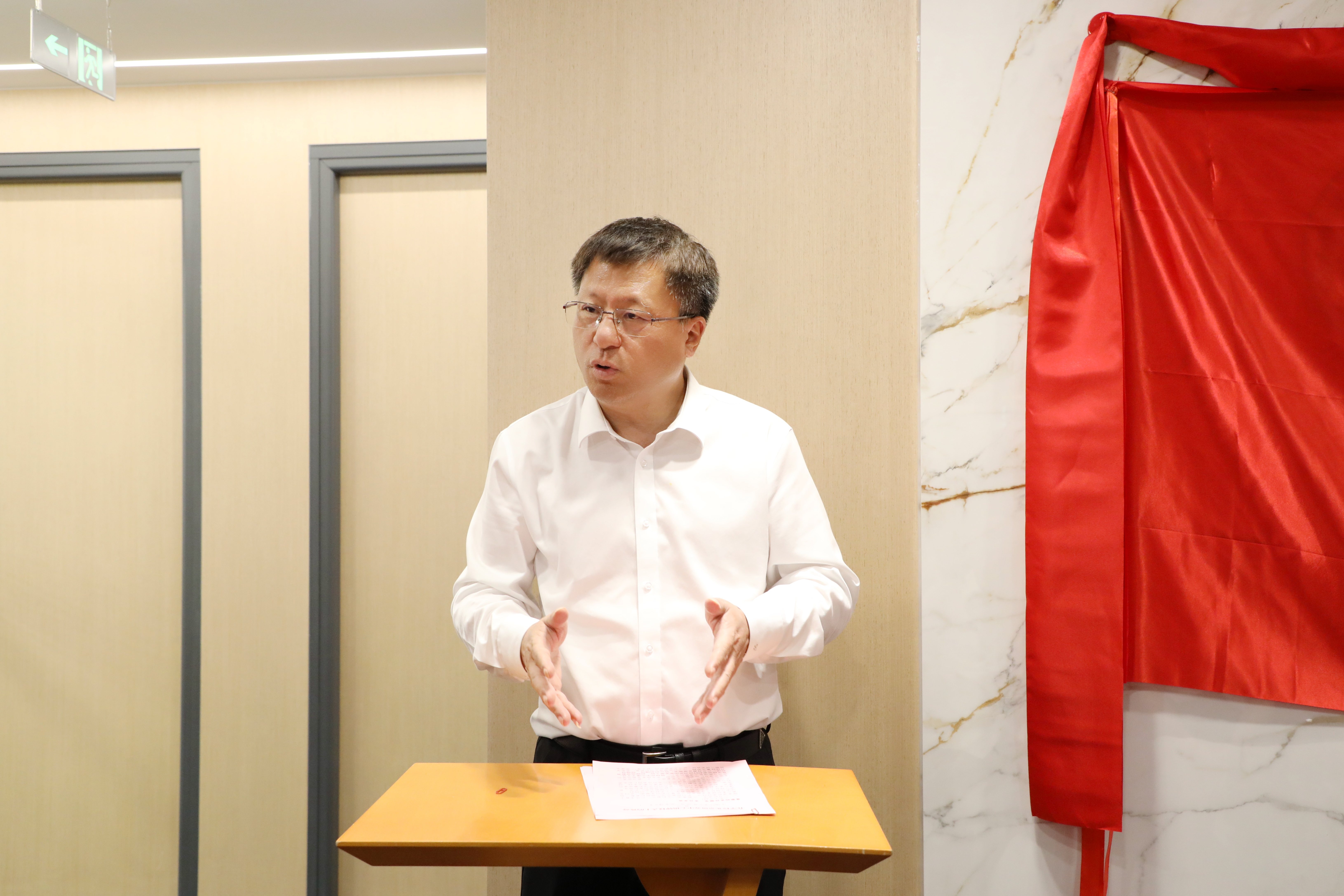
Wei Jiang delivered a speech with great enthusiasm, extending warm congratulations on the establishment of the research center and expressing high expectations for its future. He emphasized that establishing the research center on Beijing’s Financial Street, the nerve center of China’s national finance and intellectual hub, is a key measure for the university to “align with national policies while staying grounded in local realities.” It fulfills the institutional mission of integrating Zhejiang’s innovative practices in digital, technology and green finance into Beijing’s economic and social advancement as well as major national strategies, and serves as a fundamental anchor for the implementation of the "New Finance and Economics Strategy".
Wei Jiang pointed out that the Beijing Research Center has the following four core strategic positions and missions. First, build a new hub for talent gathering. Leveraging the capital’s talent ecosystem advantages, the center will fully attract and cultivate national leading talents, international academic backbones, and promising young academics, laying a solid talent foundation for the university’s long-term development. Second, build a powerful engine for scientific research innovation. Focusing on major national strategic needs and core issues of China’s economic and social development, the center will promote organized scientific research, produce original achievements with distinctive ZUFE features, and build a distinctive disciplinary and think tank system for “New Finance and Economics.” Third, build a major hub for cooperation and exchanges. It will deeply connect with national ministries and commissions, financial regulatory authorities, and top academic resources, build high-end cooperation platforms and forum brands, and enhance the university’s capacity to serve the country and its academic influence. Fourth, set a gold standard for open education. It will spearhead the university’s “close-to-the-core” open education initiative, promote the implementation of high-level academic activities, joint training programs, and major research projects in Beijing, and build a warm home for alumni cohesion. Wei Jiang called on the entire university to work together with sincerity: the center’s management team should shoulder the responsibility as the “vanguard” and deeply integrate into Beijing’s ecosystem; all academic schools should take proactive actions to transform the center’s resources into development momentum; all functional departments should break down barriers and provide strong support. He expressed his firm belief that with the support of all parties, the Beijing Research Center will surely become an excellent think tank serving national strategies, a powerful magnet for attracting and cultivating high-end talents, an innovation engine for nurturing major achievements, and a benchmark for the times for deepening open education. It will inject strong momentum into the university’s high-quality development and contribute outstanding ZUFE wisdom and strength to the Chinese path to modernization.
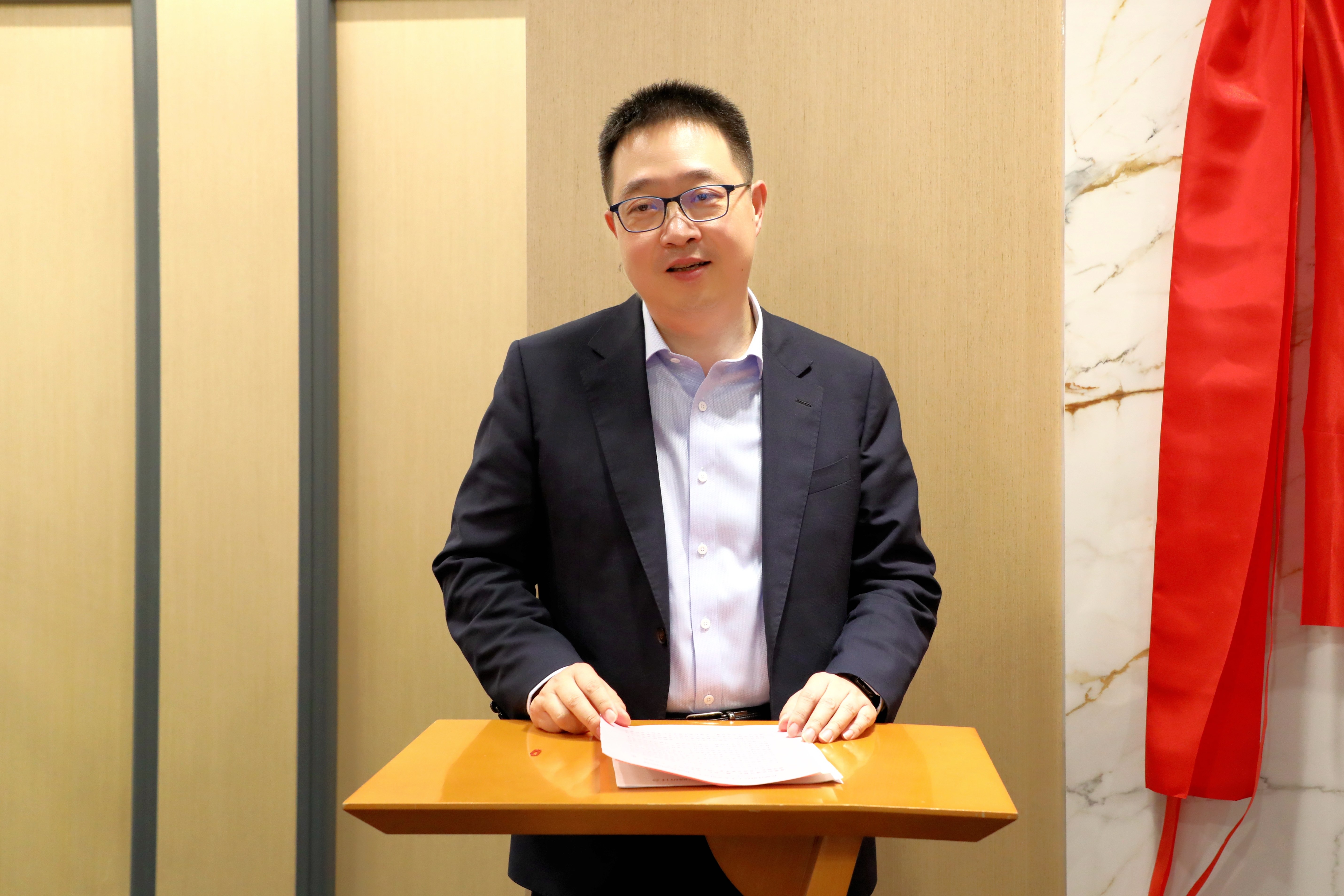
Zhang Yong, Vice President of BOCOM Beijing Branch, delivered a speech to congratulate the launch of the Beijing Research Center. He emphasized the expectation for future strategic cooperation between the two sides in serving the five major priorities in finance, working together to inject sustained impetus for innovation and technical support into BOCOM Beijing Branch, and jointly drawing a new picture of high-quality development in finance and education.
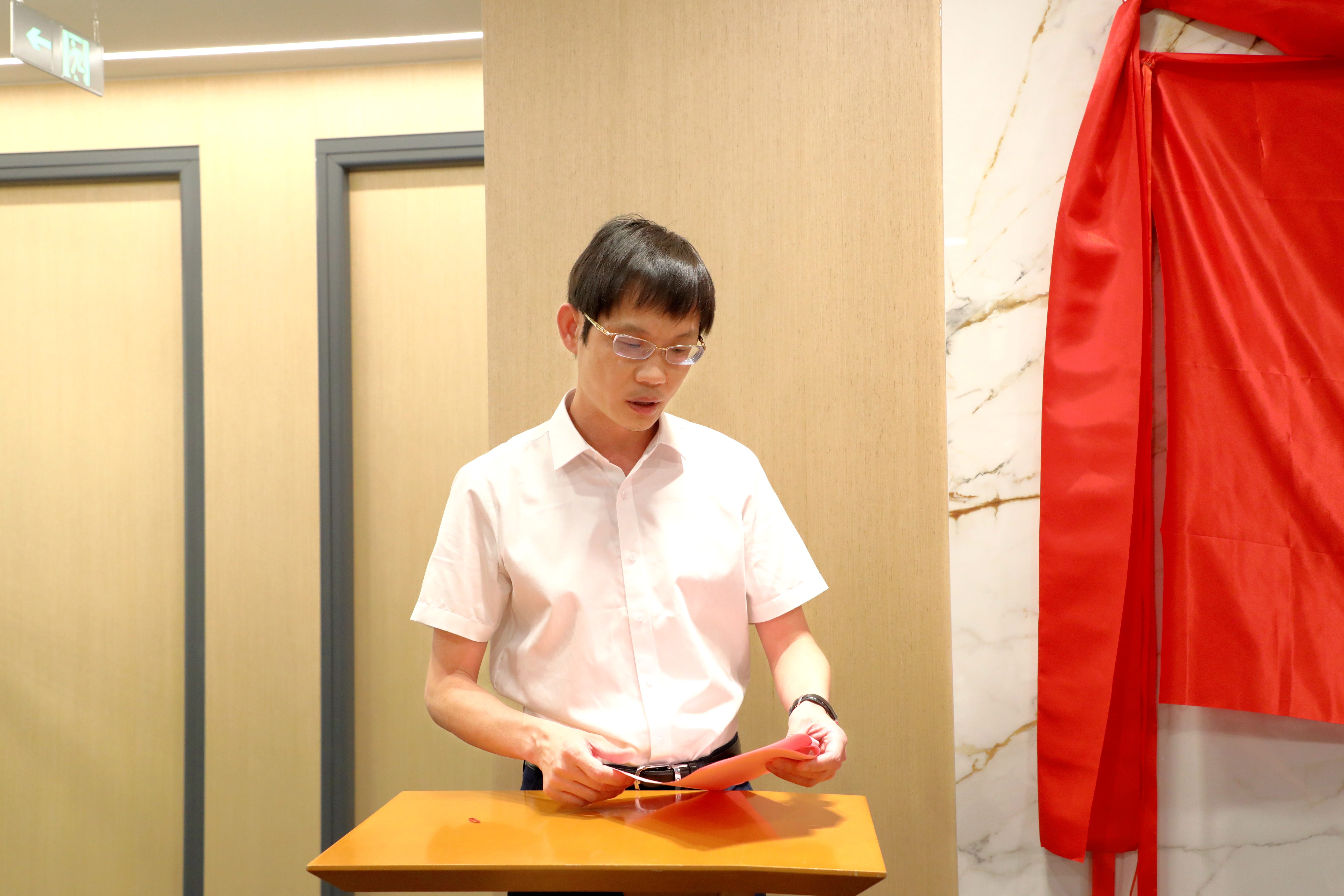
Professor Tong Guanghui, Executive Director of the Beijing Research Center, then delivered a statement on the center’s development and construction, expressing his determination to live up to the trust and fully promote the center’s development.
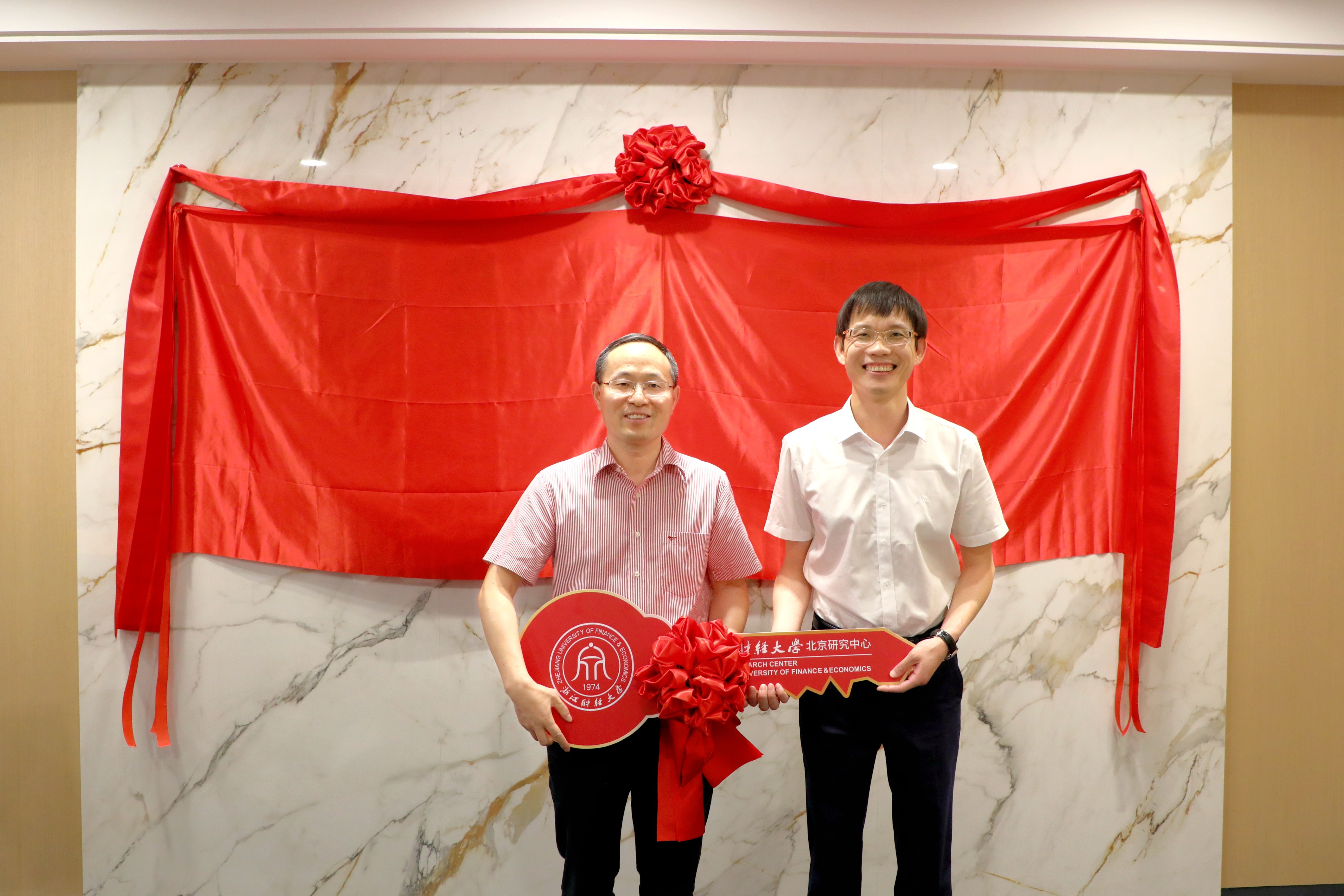
At the ceremony, Yan Jianyong, Director of the Office of Development and Planning, handed over the key symbolizing the official launch of the center to Executive Director Tong Guanghui.
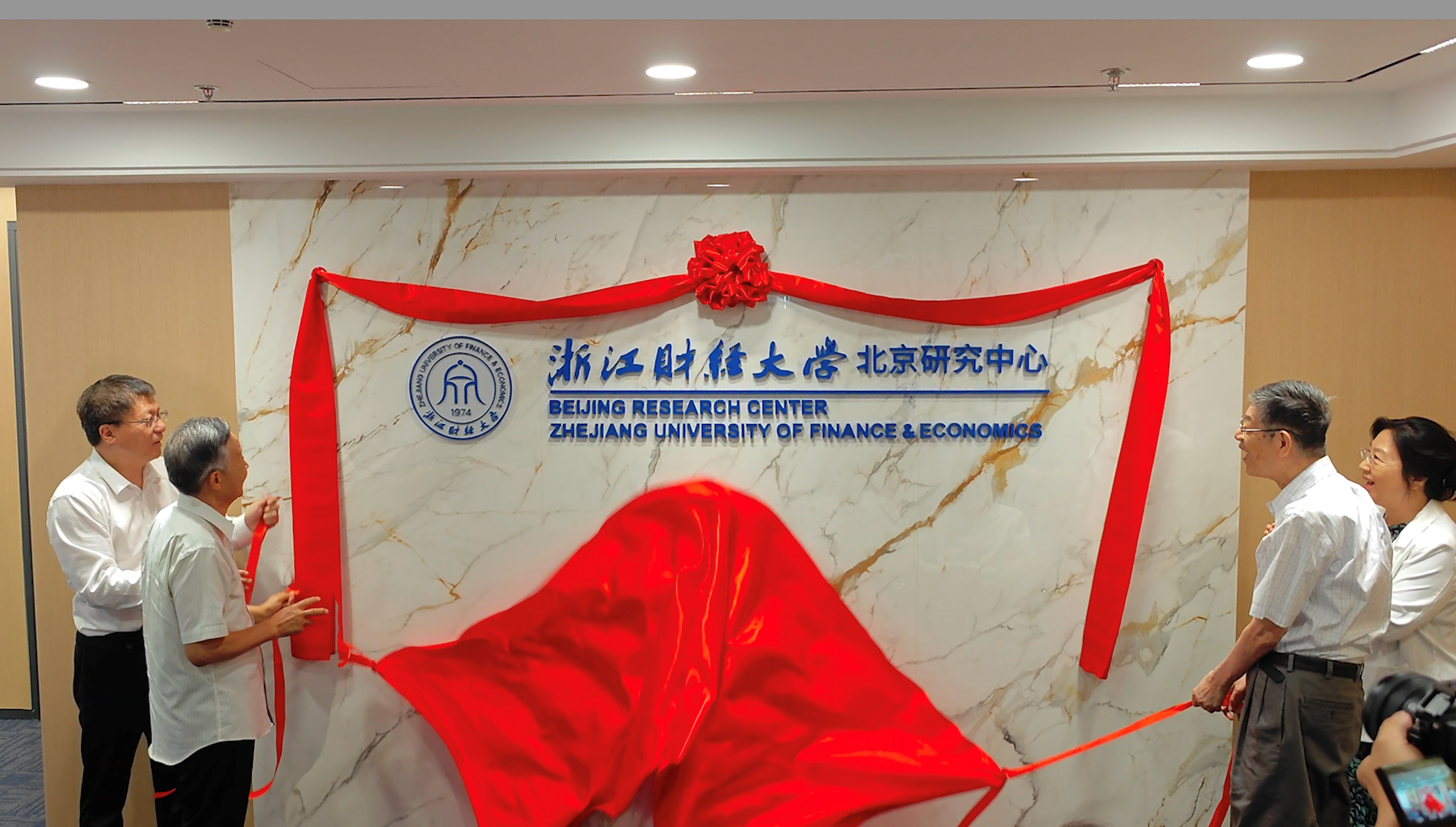
Amid warm applause, Wei Jiang, together with Professor Zhang Zhuoyuan, Professor Qiu Baoxing, and Professor Shi Dan, unveiled the plaque for “ZUFE Beijing Research Center,” marking the official launch of this important platform bearing the university’s strategic expectations.
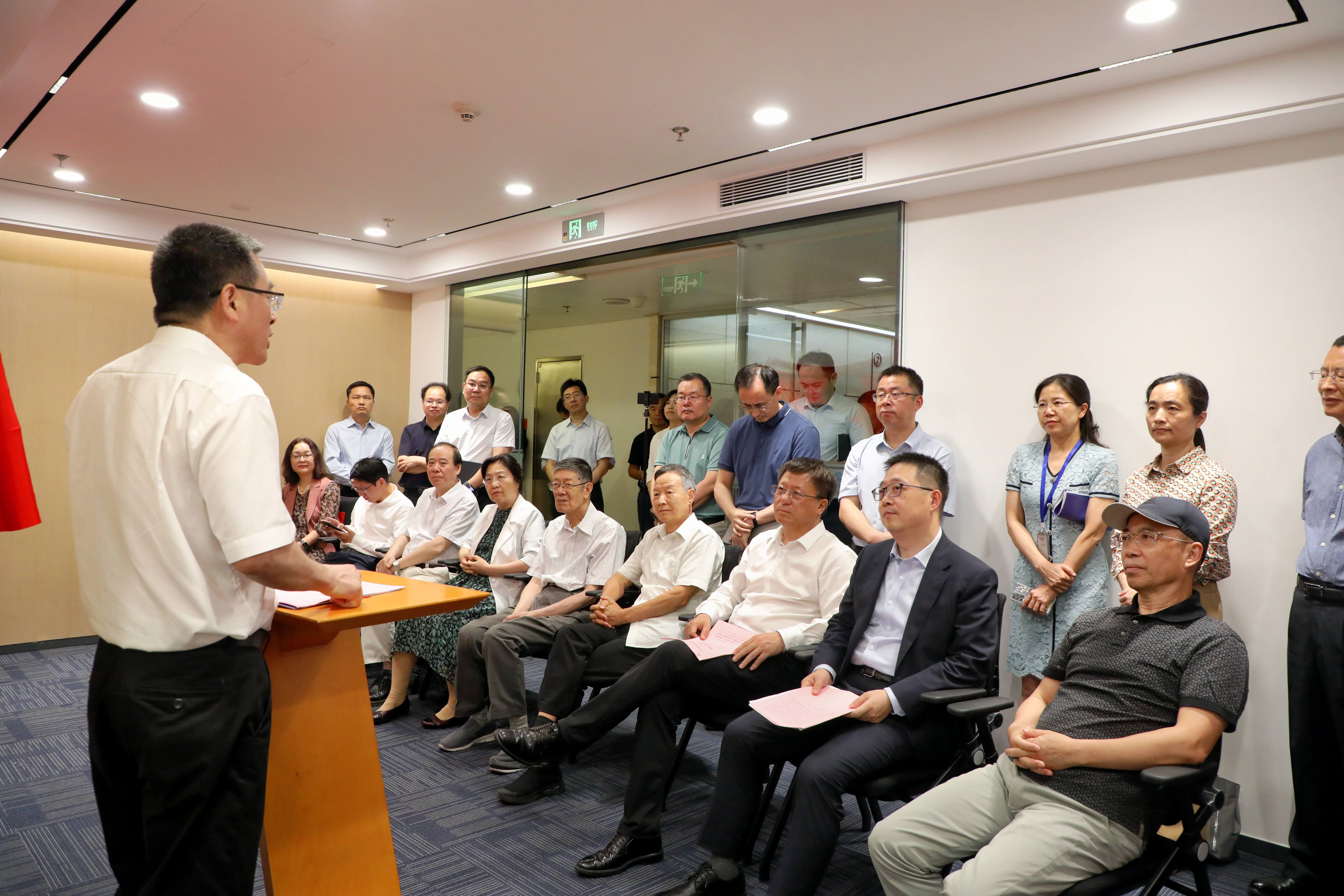
In his presiding remarks, Xu Xiaodong extended a warm welcome and sincere thanks to all leaders and guests on behalf of the university. He stated that the establishment of the Beijing Research Center is a major strategic layout for the university to ground itself in the new development stage and serve national needs, and also an innovative platform for the integrated development of education, science and technology, and talents. He added that the Beijing Research Center will surely produce landmark research achievements, nurture strategic scientists, and contribute ZUFE strength to building a strong country.
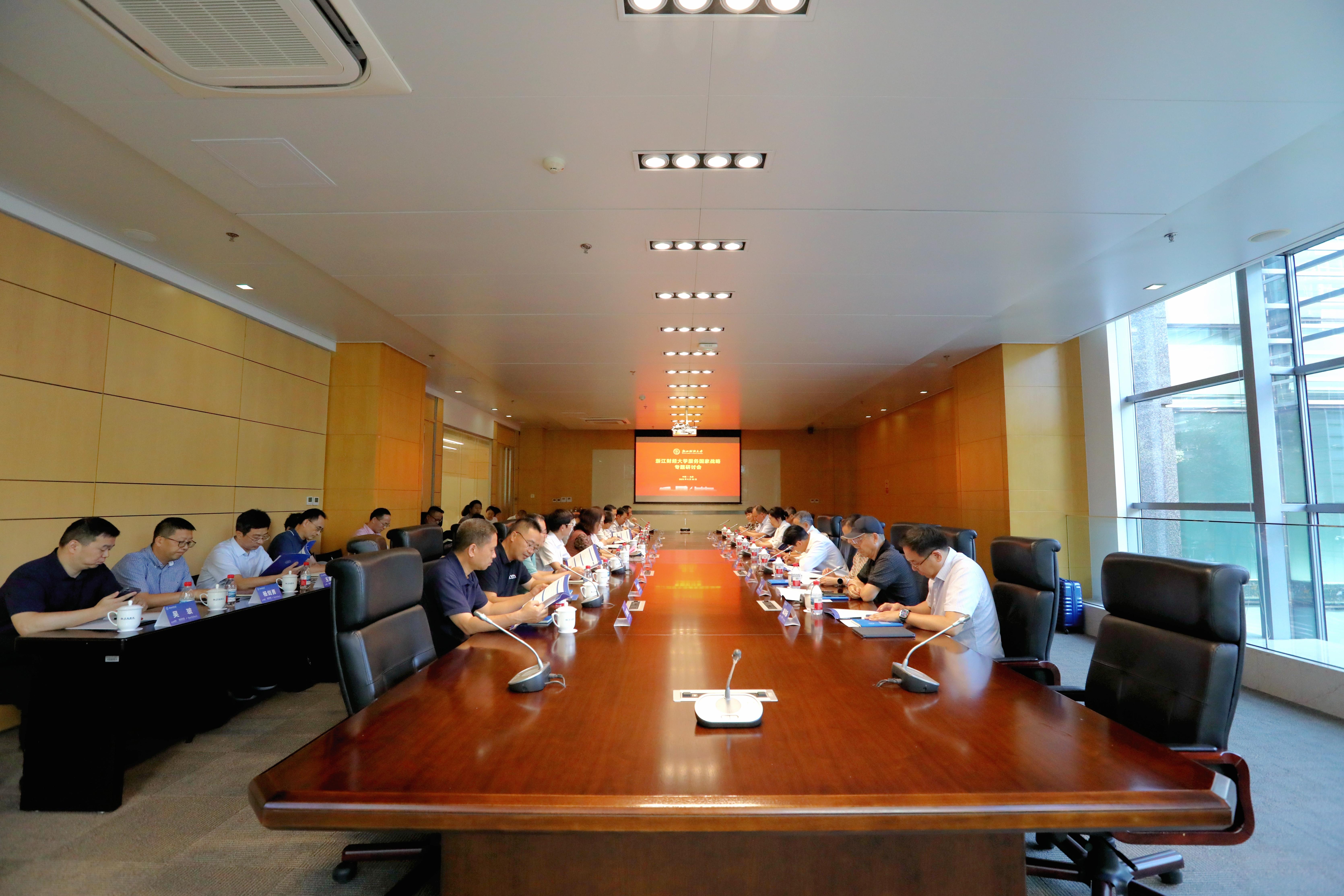
Immediately after the unveiling ceremony, the “Symposium on ZUFE Serving National Strategies” was held. Vice President Zheng Yali presided over the symposium and pointed out that the core mission of the Beijing Research Center is to serve major national strategic needs. The symposium aimed to pool wisdom and explore how the university can precisely align with, deeply integrate into, and effectively serve national strategies.
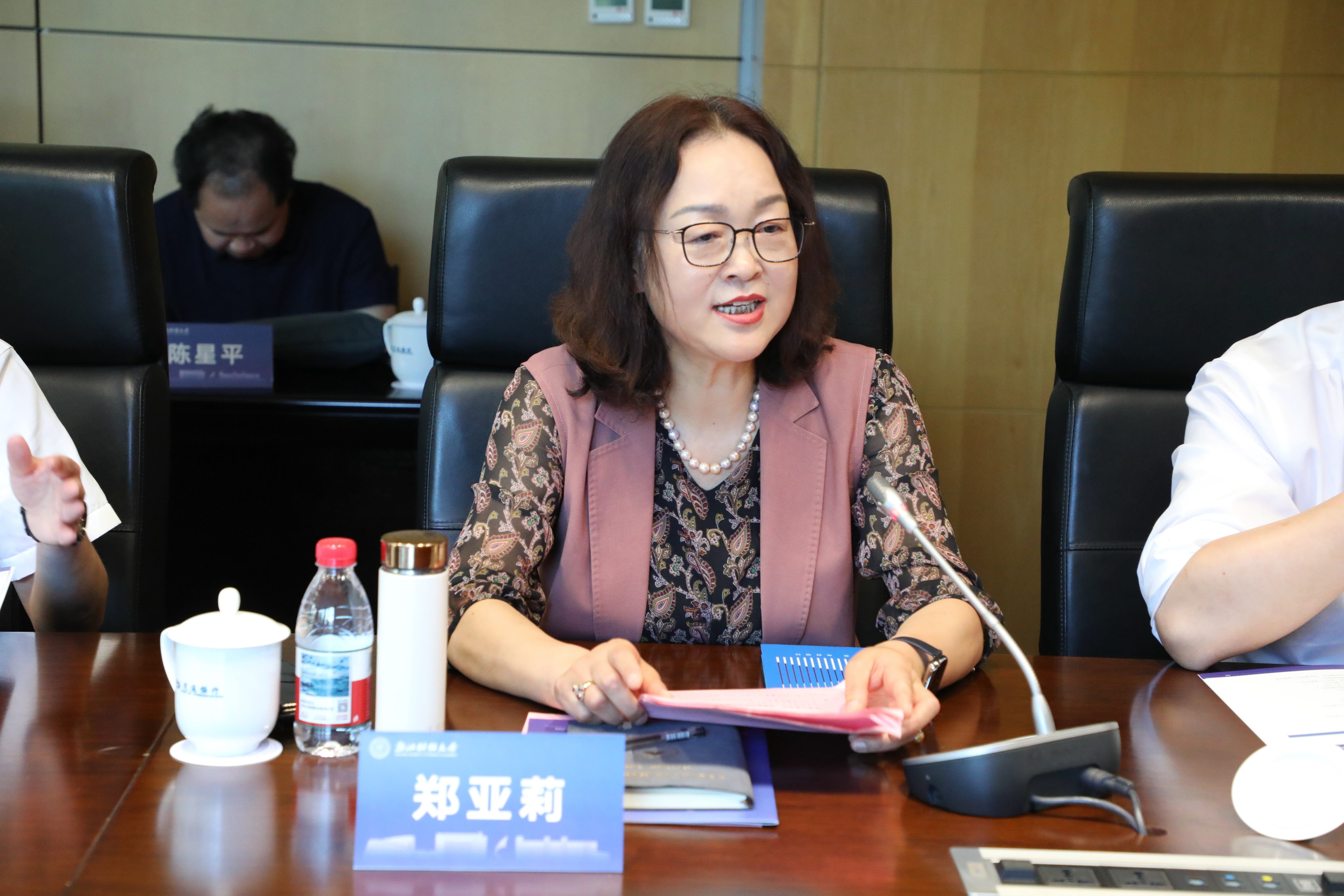
A number of leading experts, scholars, and distinguished alumni conducted in-depth discussions around the core topic of “How ZUFE Can Better Serve National Strategic Needs.”
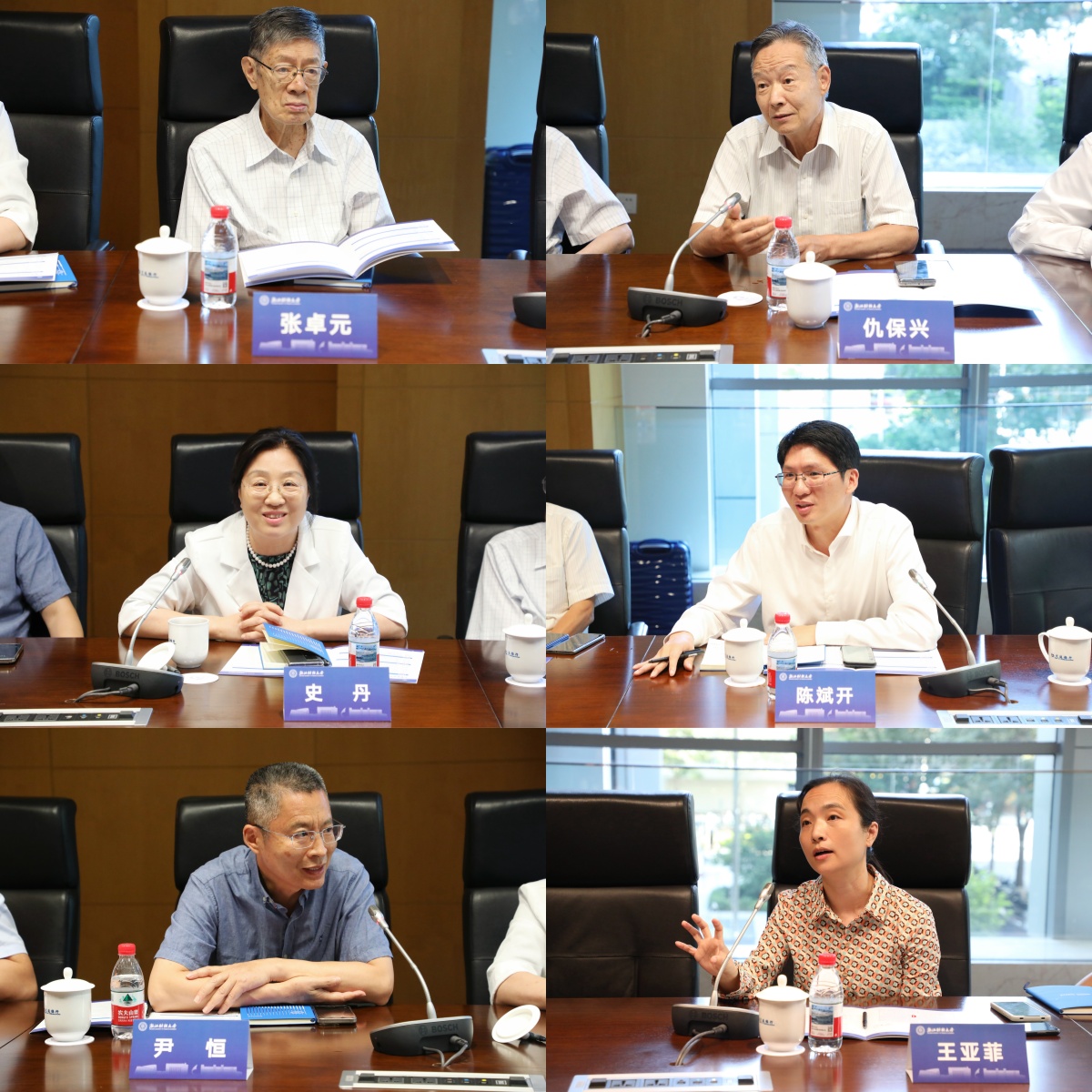
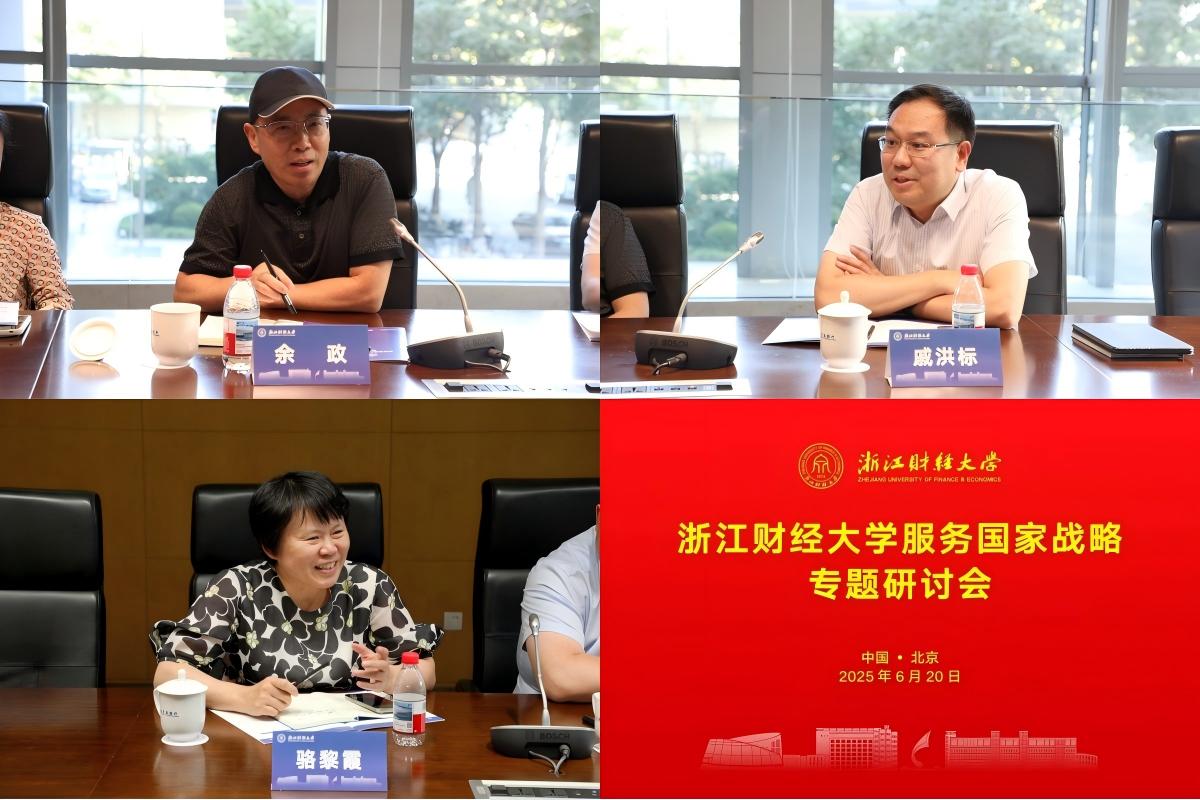
Drawing on practical cases, Professor Qiu Baoxing took the integration of theory and practice in economics and management disciplines as the starting point, and systematically elaborated the methodology for conducting research on major national strategic decision-making. Professor Shi Dan focused her speech on the cooperation and exchange points between the university and the Institute of Industrial Economics, China Society of Industrial Economics (CSIE), and the University of Chinese Academy of Social Sciences. Professor Chen Binkai confronted head-on the challenges in the development of finance and economics disciplines and profoundly demonstrated the necessity and urgency of finance and economics universities serving national strategies. Professors Yin Heng and Wang Yafei shared cutting-edge views from the dimensions of the connection between disciplinary research and policy-making and the interdisciplinary statistical empowerment, respectively. Alumnus Yu Zheng, with the pioneering spirit of “daring to think and act, believing and persisting,” outlined the strategic vision of building the Beijing Research Center into a cradle of national financial and economic governance ideas, a national platform for translating Zhejiang’s experience, and an important platform to spread China’s financial and economic insights across the globe. Alumnus Qi Hongbiao stated that he would provide three types of support for the Beijing Research Center: logistical support, resource integration support, and organization and coordination support for alumni work. Alumna Luo Lixia, starting from industrial practice, called for deepening university-enterprise cooperation to solve the development challenges faced by export-oriented enterprises.
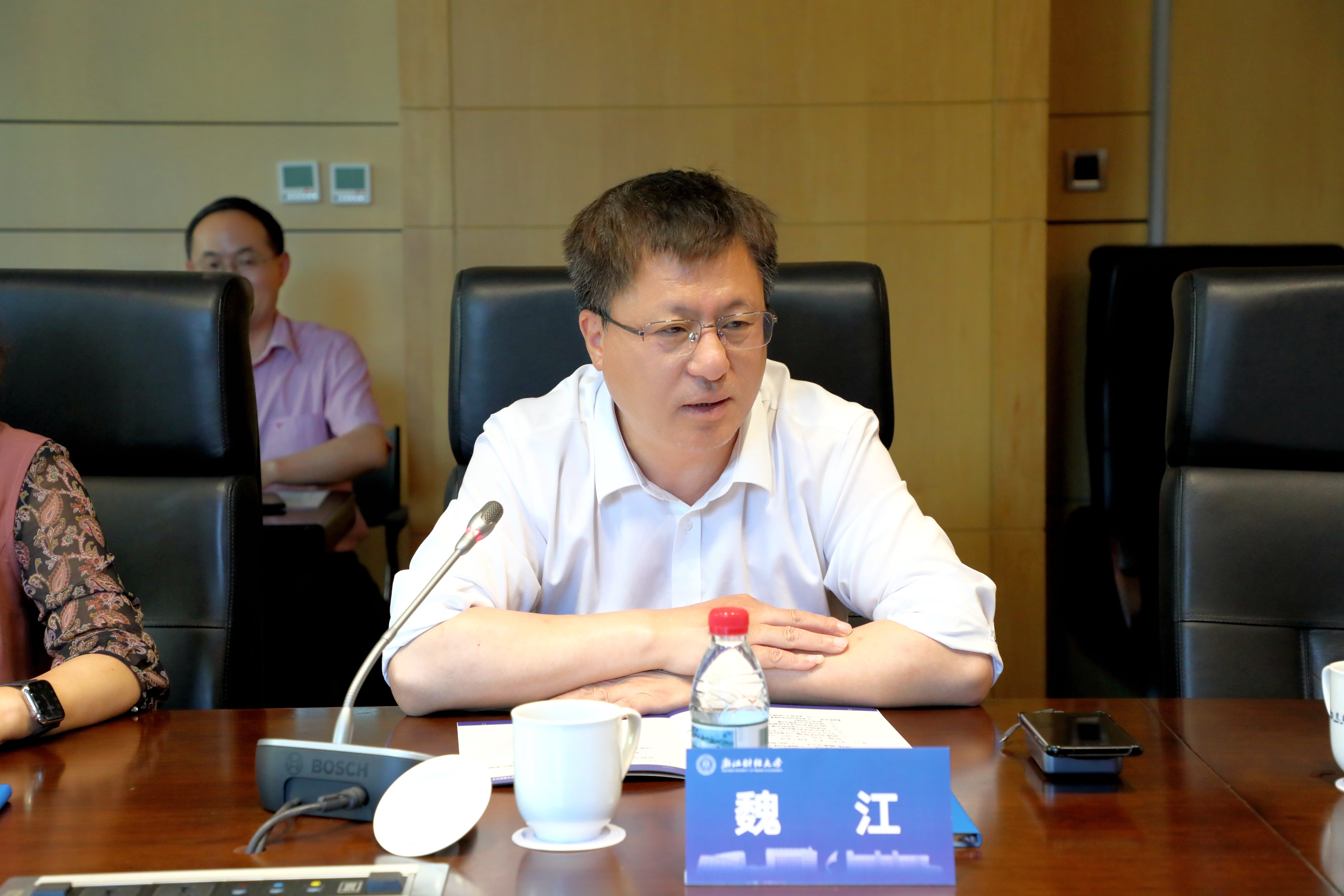
In his closing remarks, Wei Jiang highly praised the insightful presentations of all guests, noting that the symposium had built consensus, broadened perspectives, and charted future development priorities. He re-emphasized that the Beijing Research Center is a vital pillar for the university to serve national strategies, and its construction is an endogenous demand for the university to address shortcomings in disciplinary development and narrow the gap in school-running. The university will earnestly absorb the valuable opinions of experts and alumni, take the construction of the center as an opportunity to further optimize disciplinary layout, strengthen organized scientific research, deepen open cooperation, and effectively deliver tangible results for the significant undertaking of serving national strategies, contribute ZUFE strength to building a strong country and realizing national rejuvenation.
The successful holding of this event marks a solid and critical step for ZUFE on its journey to serve major national strategic needs, improve open education, and build a first-class finance and economics university with distinctive characteristics. Rooted in the fertile soil of the capital, the Beijing Research Center will surely strike deep roots, thrive, yield fruitful results, and embrace a boundless future.
(Editor: Che Peng; Photographer: Yang Jing)