On May 17, the Economists Development Forum (2025) was successfully held by Zhejiang University of Finance and Economics (ZUFE) and the Publicity Department of the CPC Qiantang District Committee, Hangzhou. Under the theme “Intelligence + Green” Empowering High-Quality Development, the forum gathered over 600 experts, scholars, faculty members and students from prestigious institutions including the Chinese Academy of Social Sciences, Zhejiang University, Fudan University, Tongji University and Huazhong University of Science and Technology.
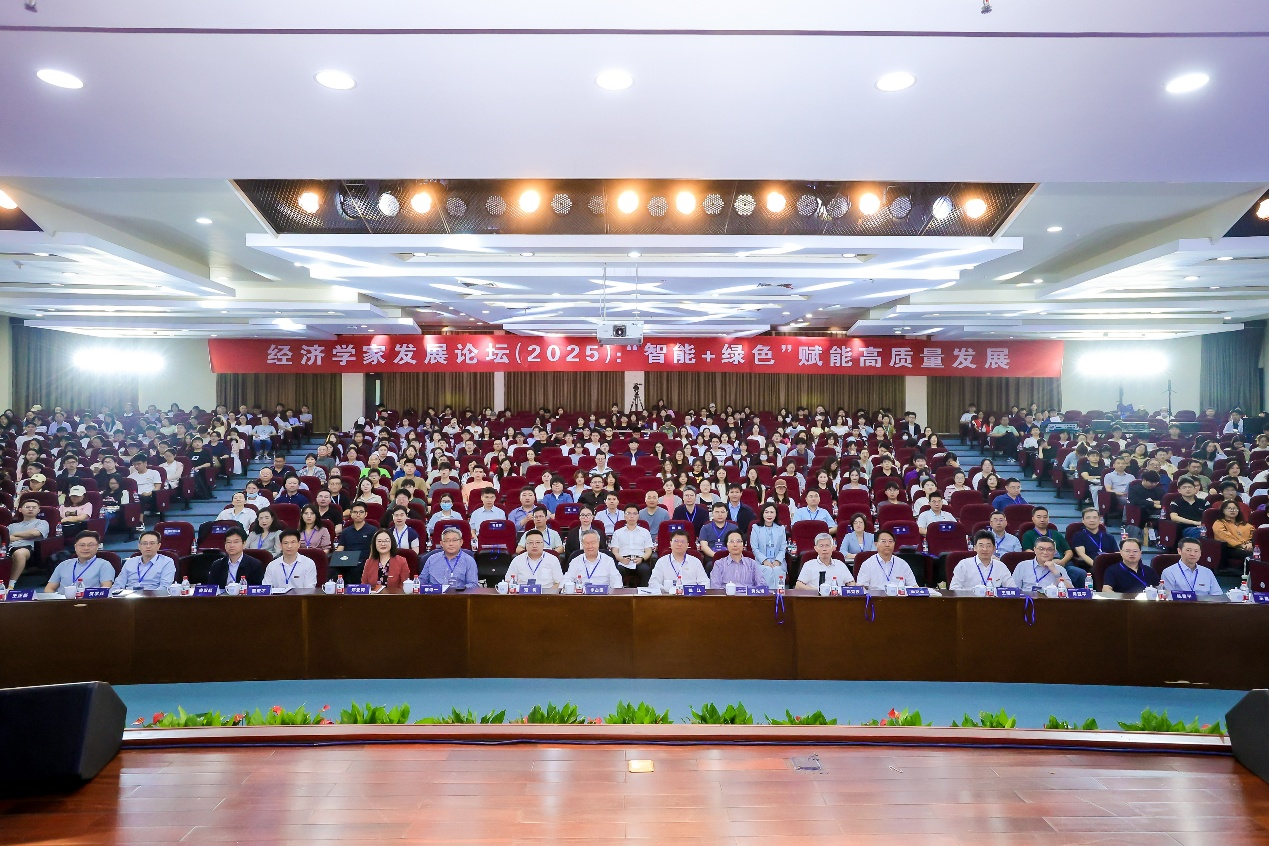
The forum was attended by Li Zhanguo, President of the Higher People’s Court of Zhejiang Province; Fan Jun, Member of the Party Leadership Group and Vice Chairman of Zhejiang Federation of Social Sciences; Huang Xianhai, Vice President of Zhejiang University; Chen Shiyi, Distinguished Professor at Fudan University and Dean of the Institute of Insurance Applied Innovation; Guo Kesha, Director of the Center for Economic Policy Research at the Chinese Academy of Social Sciences and Distinguished Professor at the School of Economics and Finance, Huaqiao University; Zhong Ninghua, Distinguished Professor and Associate Dean of the School of Economics and Management, Tongji University; Fang Hanting, Second-Class Research Fellow of the Ministry of Science and Technology and Research Fellow at Zhejiang University National High-end Think Tank; Chang Yaping, Second-Class Professor and Distinguished Teacher of Huazhong University of Science and Technology; Wei Jiang, President and Vice Chairman of the University Council of ZUFE; Zheng Yali, Vice President of ZUFE; Li Zhanrong, Vice President of ZUFE; relevant officials from departments under Zhejiang Federation of Social Sciences; representatives from the Publicity Department and Federation of Social Sciences of Qiantang District, Hangzhou; peers and experts from sister universities across the country; as well as deans of ZUFE’s schools, alumni representatives, faculty and students. The opening ceremony was presided over by Dong Jincai, Vice President of ZUFE.
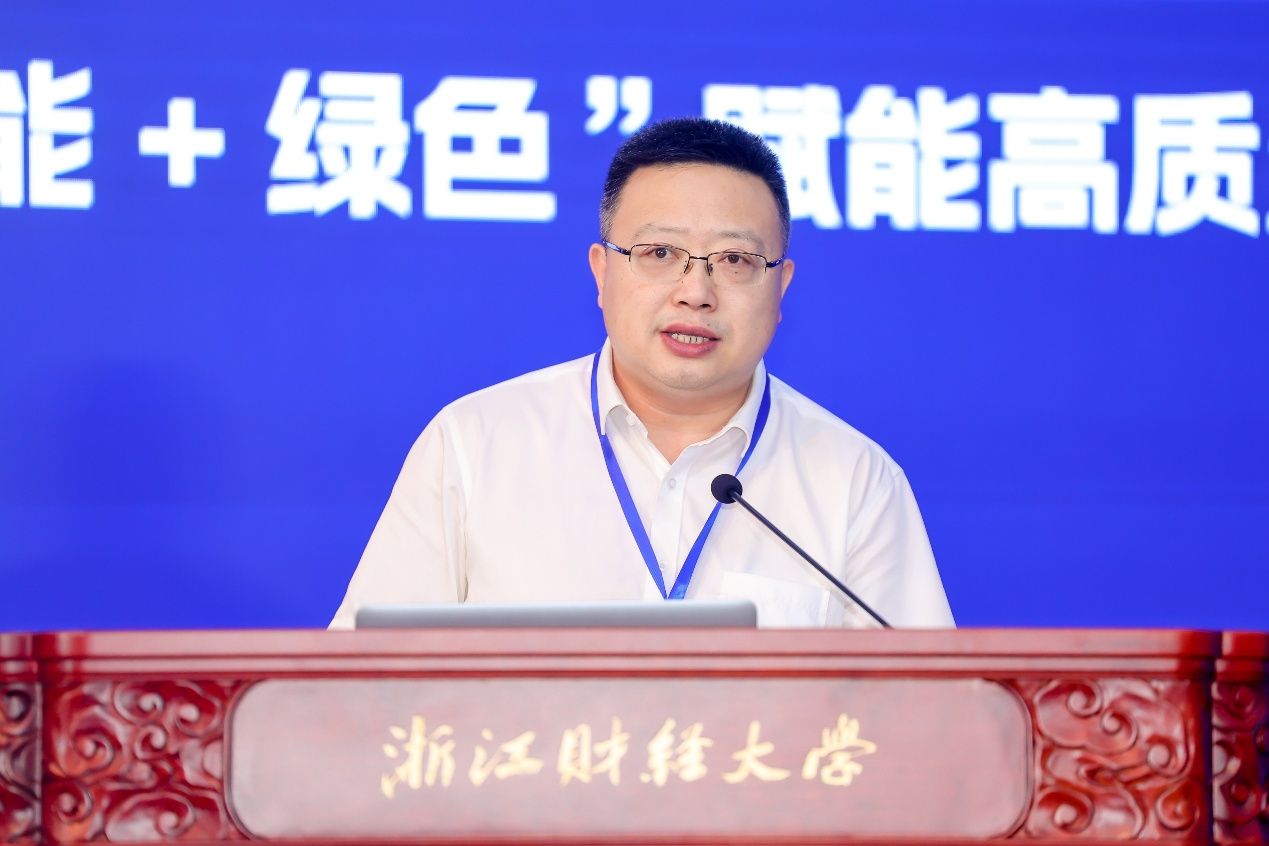
On behalf of Zhejiang Federation of Social Sciences, Fan Jun extended warm congratulations on the successful convening of the forum. He noted that this year marks the 20th anniversary of General Secretary Xi Jinping’s proposal of the concept that lucid waters and lush mountains are invaluable assets. Over the past two decades, Zhejiang has faithfully implemented the “Eight-Eight Strategy”, thoroughly put into practice Xi Jinping Thought on Ecological Civilization and the important expositions on artificial intelligence, and advanced forward-looking plans including the development of a “Green Zhejiang” and a “Digital Zhejiang”. The province has carried out extensive explorations in the fields of artificial intelligence and green high-quality development. Zhejiang ranks among the national leaders in the green development index and took the lead in building an ecological province. Hangzhou has grown into a top-tier city in China for artificial intelligence development, acting as a vital engine for Zhejiang’s “315” Science and Technology Innovation System and “415X” Advanced Manufacturing Cluster. Fan Jun expressed his belief that the Economists Development Forum would drive theoretical innovations concerning “Intelligence + Green: Empowering High-Quality Development”, deliver targeted practical guidance for high-quality economic growth, and contribute ZUFE’s strength to revitalizing Zhejiang’s academic heritage in the new era and building a high-level cultural province. As a high-level university under construction, Zhejiang University of Finance and Economics is an important member of Zhejiang’s social science community and has played a significant role in elevating the standards of humanities and social sciences and boosting the prosperity of philosophy and social sciences across the province.
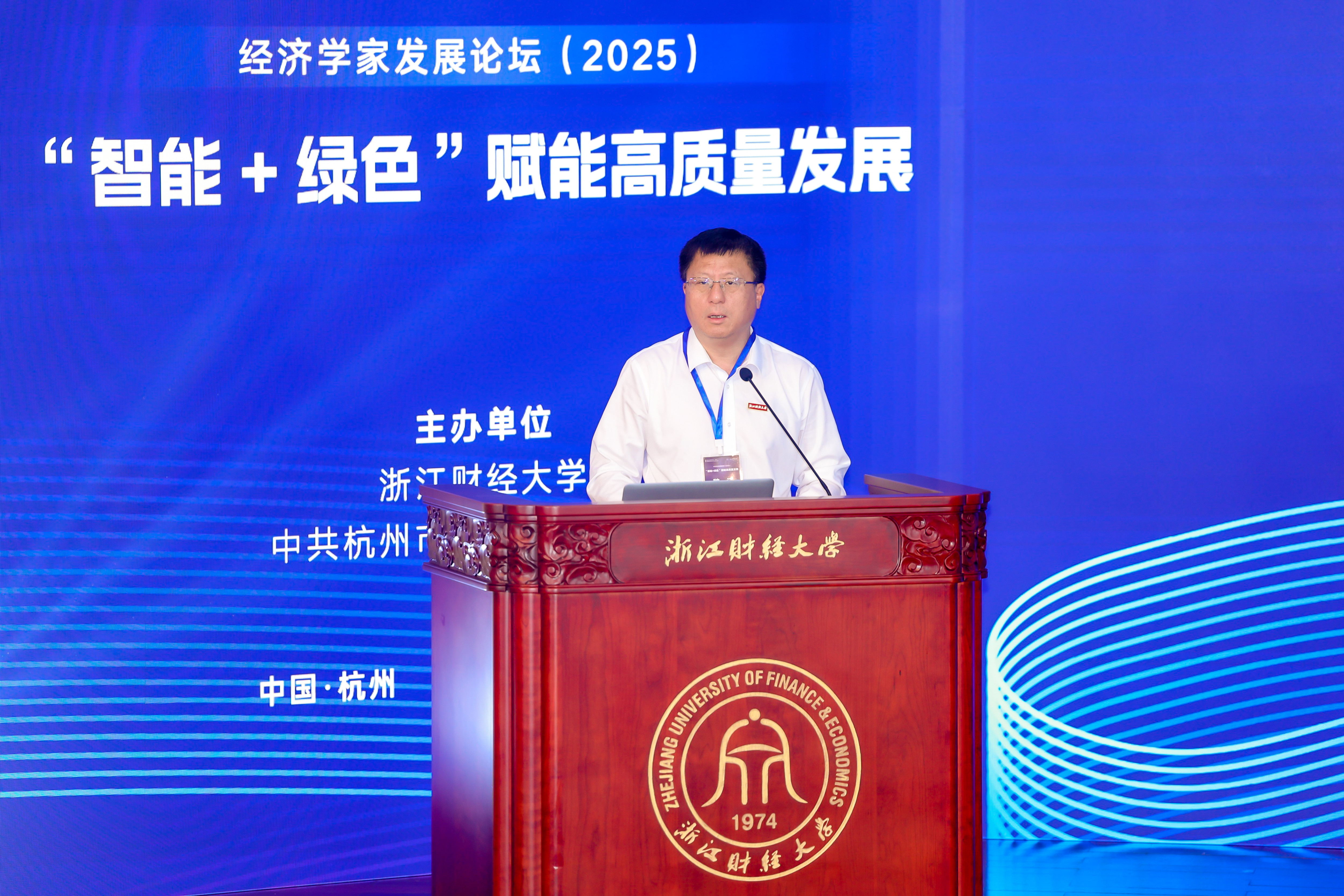
Wei Jiang delivered a speech to welcome and thank all participating guests. He stated that, just like previous sessions, this year’s Economists Development Forum carries forward the spirit of senior economists, focuses on cutting-edge issues in economic development, and promotes theoretical innovation and disciplinary advancement in economics. Amid the new round of technological revolution and industrial transformation, artificial intelligence, big data and other technologies are reshaping industrial landscapes, while the philosophy of green development is profoundly transforming production and lifestyles. How to realize in-depth integration of intelligent technologies and green development has become a major challenge and the core mission of this forum. Upholding the university motto of pursuing virtue, cultivating morality and keeping pace with the times, Zhejiang University of Finance and Economics is dedicated to cultivating MAQ-oriented talents, pushing forward the “"New Finance and Economics Strategy"” and building interdisciplinary strategic academic teams, and has produced innovative results in the field of “Intelligence + Green”. This forum brings together renowned experts from across the country to share research insights and offer ideas for economic transformation and upgrading. Wei Jiang pointed out that “Intelligence + Green” represents both an historic opportunity and a responsibility of our times. He called on experts and scholars to engage in in-depth exchanges and pool wisdom to contribute to China’s economic transformation, upgrading and sustainable development.
The keynote speeches were jointly hosted by Dong Jincai, Vice President of Zhejiang University of Finance and Economics, and Wang Jianming, Director of the Office of Academic Research. Seven distinguished experts delivered keynote reports on the following topics. Li Zhanguo shared his thoughts on Leveraging the Rule of Law to Safeguard the High-Quality Development of the Private Economy. Huang Xianhai gave a speech themed Changes in Innovation Paradigms and the Establishment of the Third Major Macroeconomic Policy Framework. Chen Shiyi focused on Comprehensive Green Transition and Chinese-style Modernization. Guo Kesha addressed the topic of Revitalizing the Real Economy and Deepening the Integration of the Real and Digital Economies. Zhong Ninghua delivered a report titled Empowering Economics with Artificial Intelligence: A Case Study on Accurate Import and Export Forecasting. Fang Hanting discussed Core Technologies and Their Innovative Value Reflected by DeepSeek, and Chang Yaping shared his research on Basic Principles of AIGC and Its Externalities.
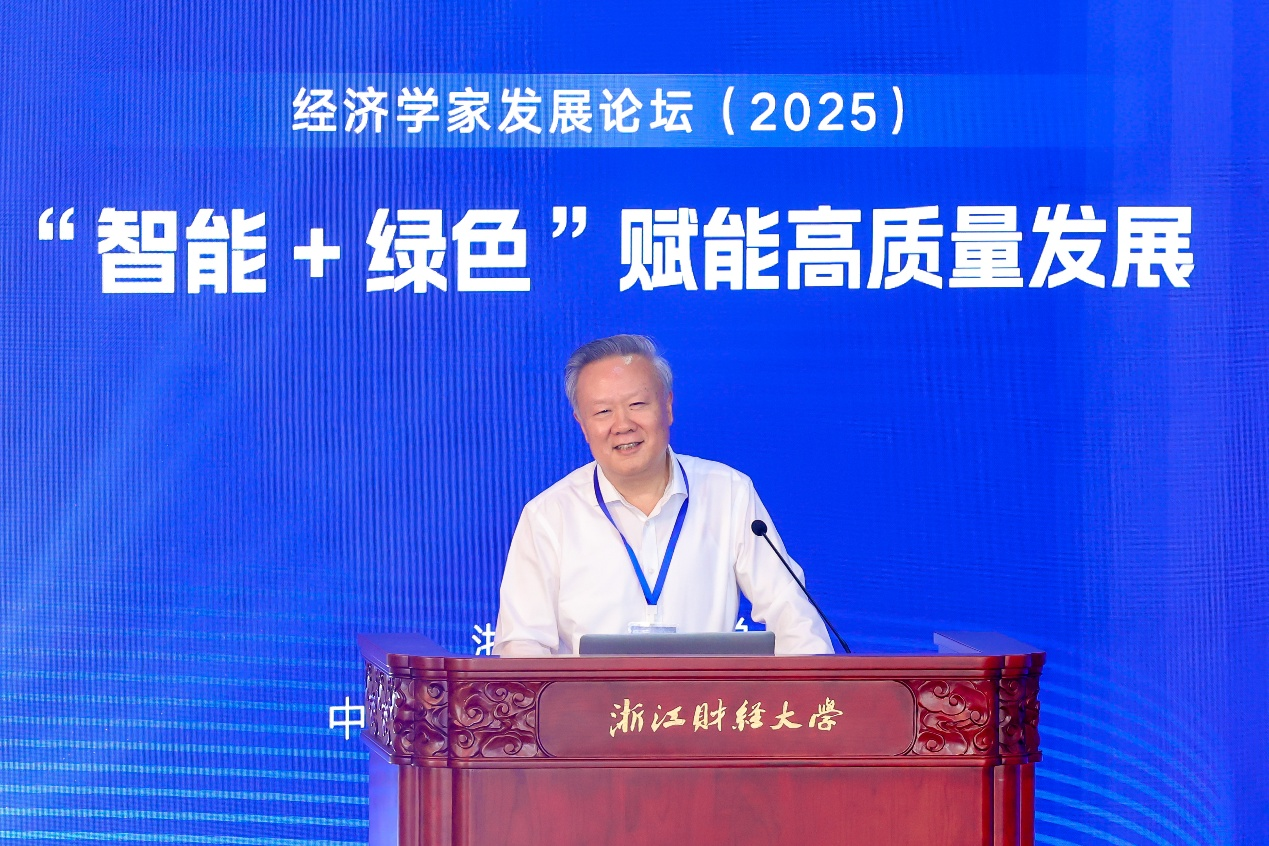
Li Zhanguo pointed out that the rule of law must underpin the high-quality development of the private economy. First, the private economy is a vital force for the great rejuvenation of the Chinese nation. Second, its high-quality growth relies on the rule of law to consolidate fundamentals, stabilize expectations and secure long-term development. Third, judicial authorities must support the private economy in accordance with the law. He stated that the vibrant growth of the private economy is a key driver behind China’s development miracle, with the rule of law serving as its fundamental guarantee. With concerted efforts from judicial bodies and all sectors of society, the private economy will surely make greater contributions to advancing Chinese-style modernization.
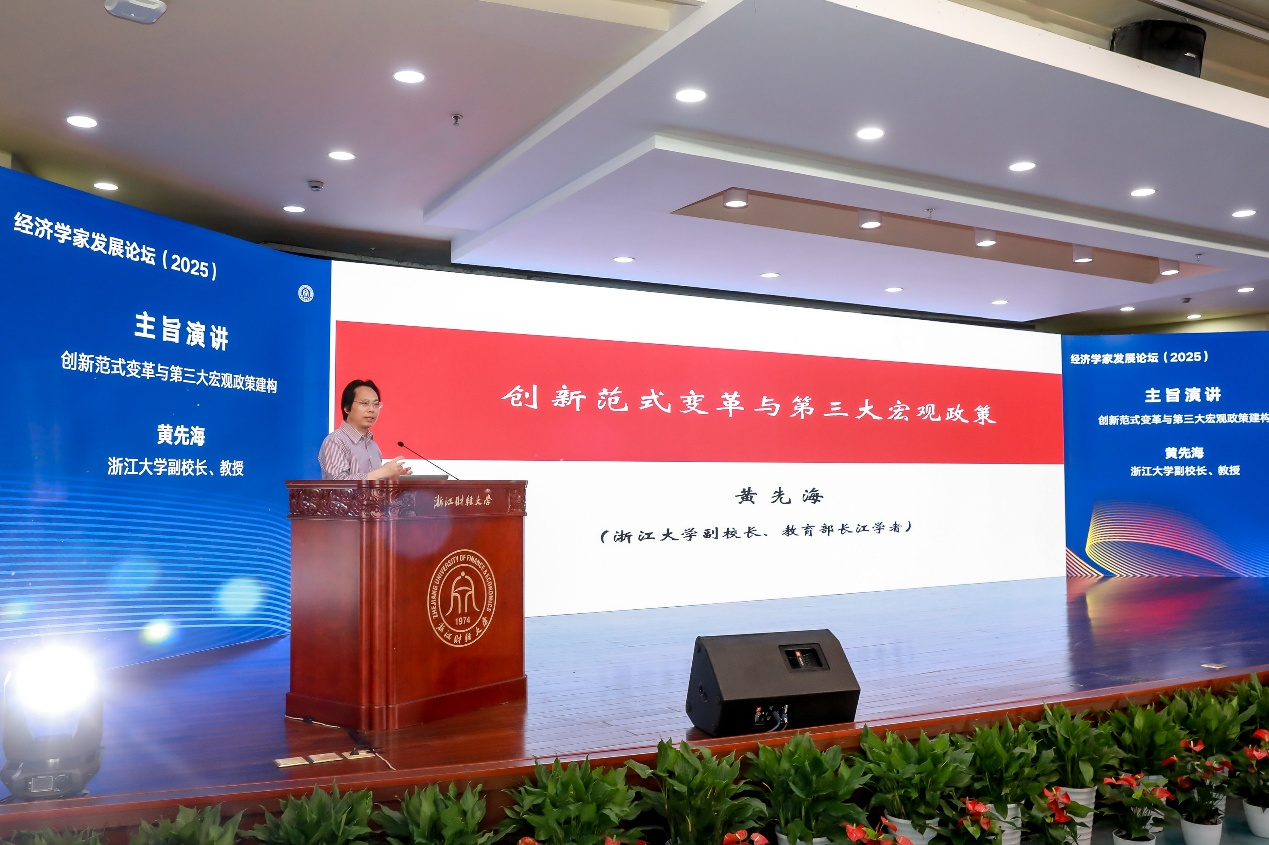
Taking Hangzhou’s “Six Little Enterprises” as an example, Huang Xianhai proposed the one paradigm plus three mechanisms for innovation in the digital era. Unlike the industrial era, where capital and machinery dominated, the digital innovation paradigm centers on human intelligence and data. The three mechanisms refer to youth-led participation, dual enabling platforms and dual frontier exploration. He also analyzed the limitations of conventional Keynesian macroeconomic policies and advocated for a third macroeconomic policy framework oriented toward innovation-driven growth. This new framework enables the upgrading of production factors and economic iteration to adapt to the new innovation landscape.
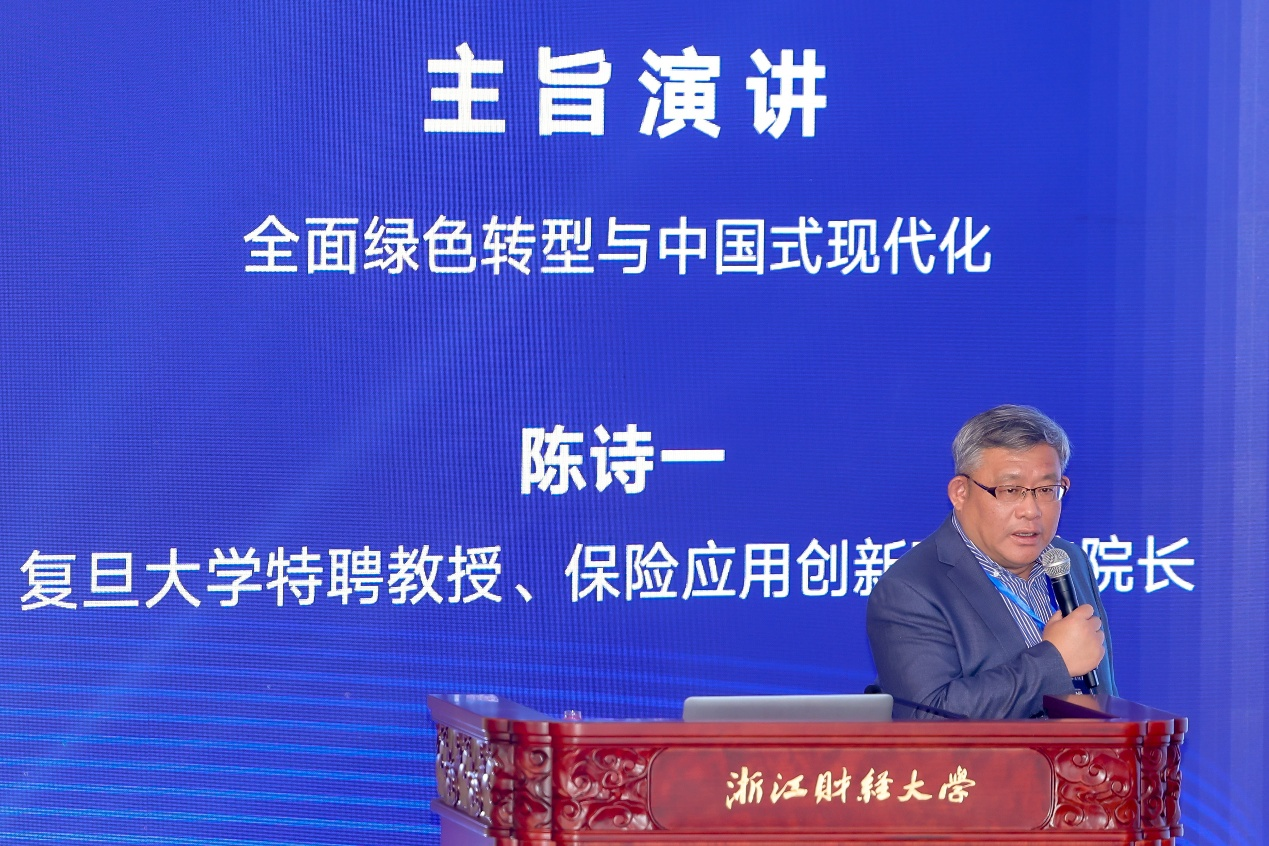
Chen Shiyi stated that harmony between humanity and nature is an essential feature of Chinese-style modernization, and green and low-carbon transition constitutes a core component of high-quality development. He stated that comprehensive green transition is inextricably linked to Chinese-style modernization and must be advanced across all sectors, regions and fields. He suggested shifting from dual control of energy consumption to dual control of energy consumption and carbon emissions to decouple energy use from carbon output. It is imperative to promote structural transformation in industry and energy sectors, bolster the growth of green productivity through technological and managerial innovation, and accelerate the progress of Chinese-style modernization.
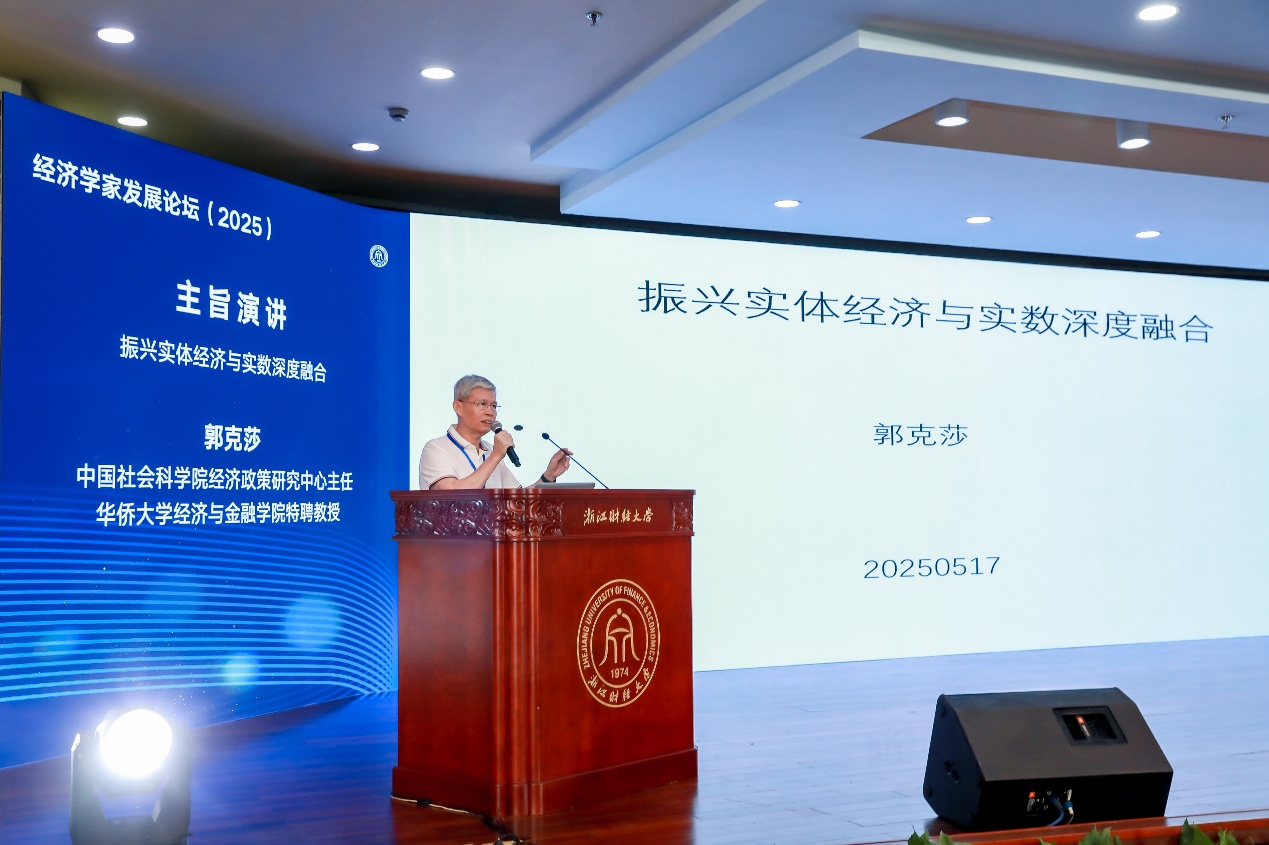
Guo Kesha noted that the central government’s revision of the expression from “integration of digital and real economies” to “integration of real and digital economies” highlights the greater emphasis placed on the status of real economy. Deep integration of the two economies helps stabilize overall economic performance, boost growth in the real economy, balance the relationship between the real and virtual economies, and sustain the vitality of micro, small and medium-sized enterprises. He put forward policy proposals to further integrate the real and digital economies: expanding market demand for real economy products, stabilizing industrial prices, exploring new development space for the real economy, and promoting its transformation and upgrading. These measures will help address insufficient aggregate demand and downward price pressures, and ultimately deliver high-quality economic development.
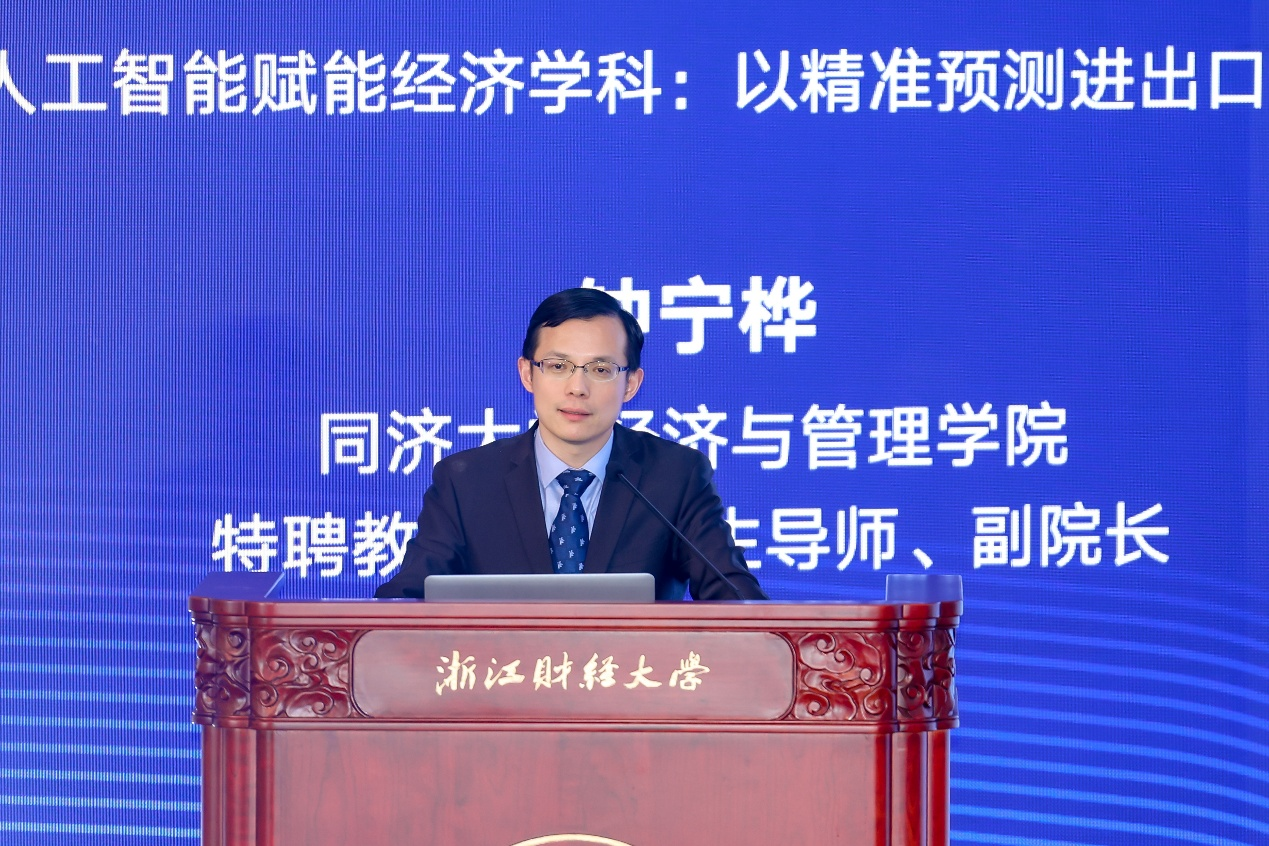
Using accurate import and export forecasting as an example, Zhong Ninghua stressed that AI should empower the economics discipline. Economists should adopt new technologies for quantitative forecasting, shifting the focus of economic research from interpreting the past to predicting the future. Leveraging digital infrastructure to develop data products can turn data elements into practical decision-support tools. He also emphasized the need for economics research to be grounded in reality: researchers should translate academic findings into plain language, connect theories with real-world demands, and apply big data and AI to improve forecasting capabilities and support government decision-making.
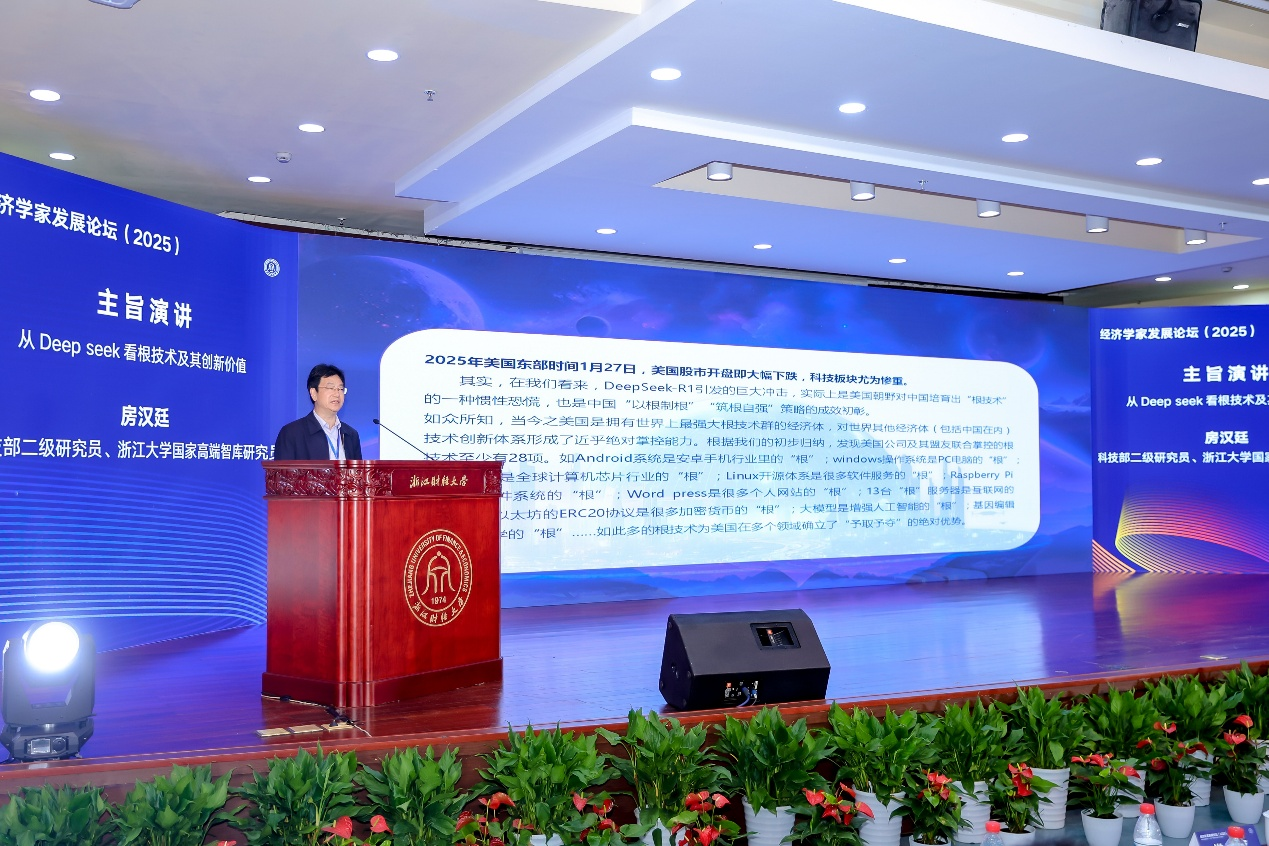
Fang Hanting explained that core technologies are fundamental underlying technologies for entire technical systems, featuring originality, fundamentality, indispensability, diffusivity and enabling capacity. They are categorized into weak, medium and strong types, and evolve through five stages: seedling, rooting, emergence, breakout and universal application. The United States has established technological hegemony by dominating core technologies, thus controlling global innovation, industrial and value chains. To seize the initiative in global competition, China must prioritize innovation in core technologies, cultivate world-leading fundamental technologies, take charge of innovation chains, foster emerging industries built on core technologies, and restructure global value chains.
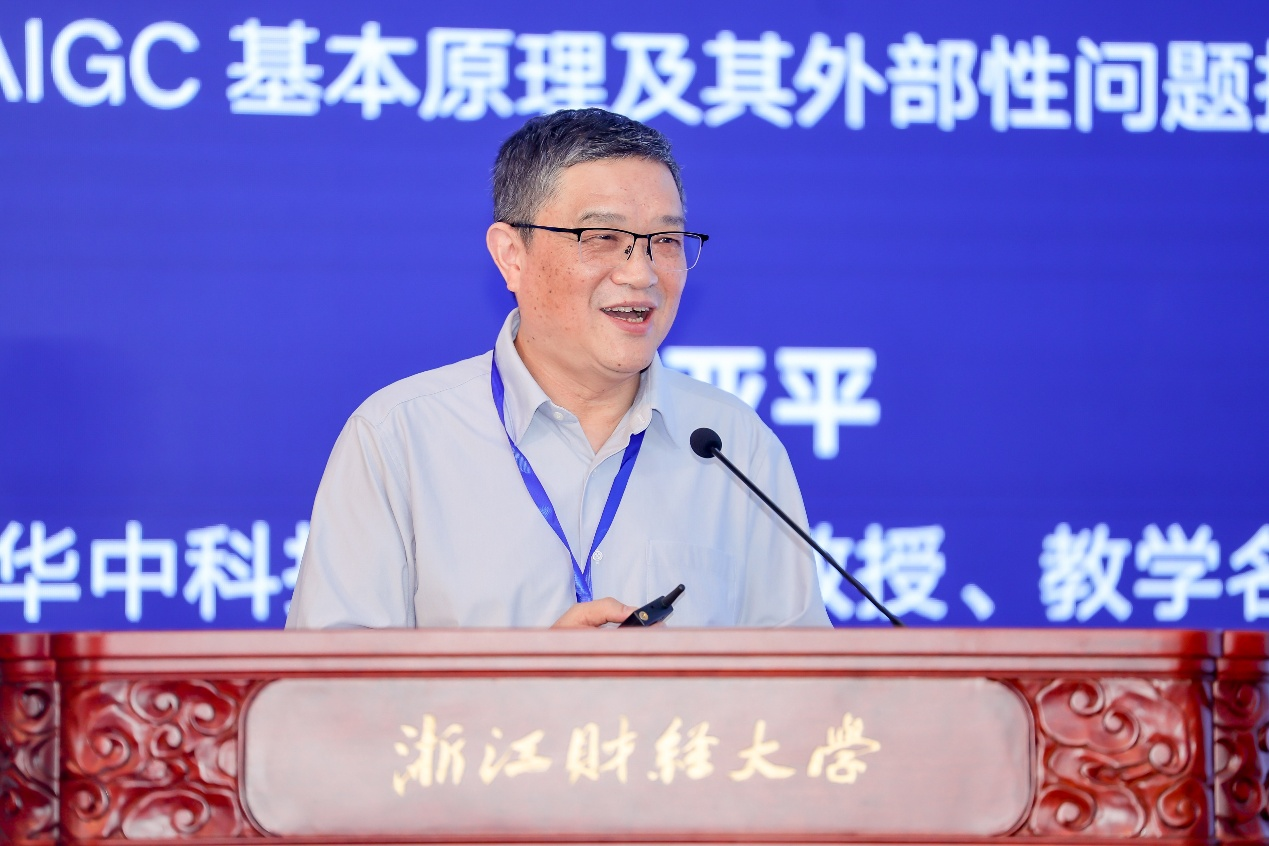
Chang Yaping pointed out that AI-generated content (AIGC) has become a focal point of technological competition between China and the United States. Built on probability functions, AIGC generates new content by learning from massive datasets and has achieved remarkable progress in multimodal content generation and robotics. Examples include SenseTime’s digital human recreation of its founder via large language models and Liang Wenfeng’s efforts to popularize cutting-edge technologies through low-cost open-source projects. He urged that great importance should be attached to the research and development of core AI technologies.
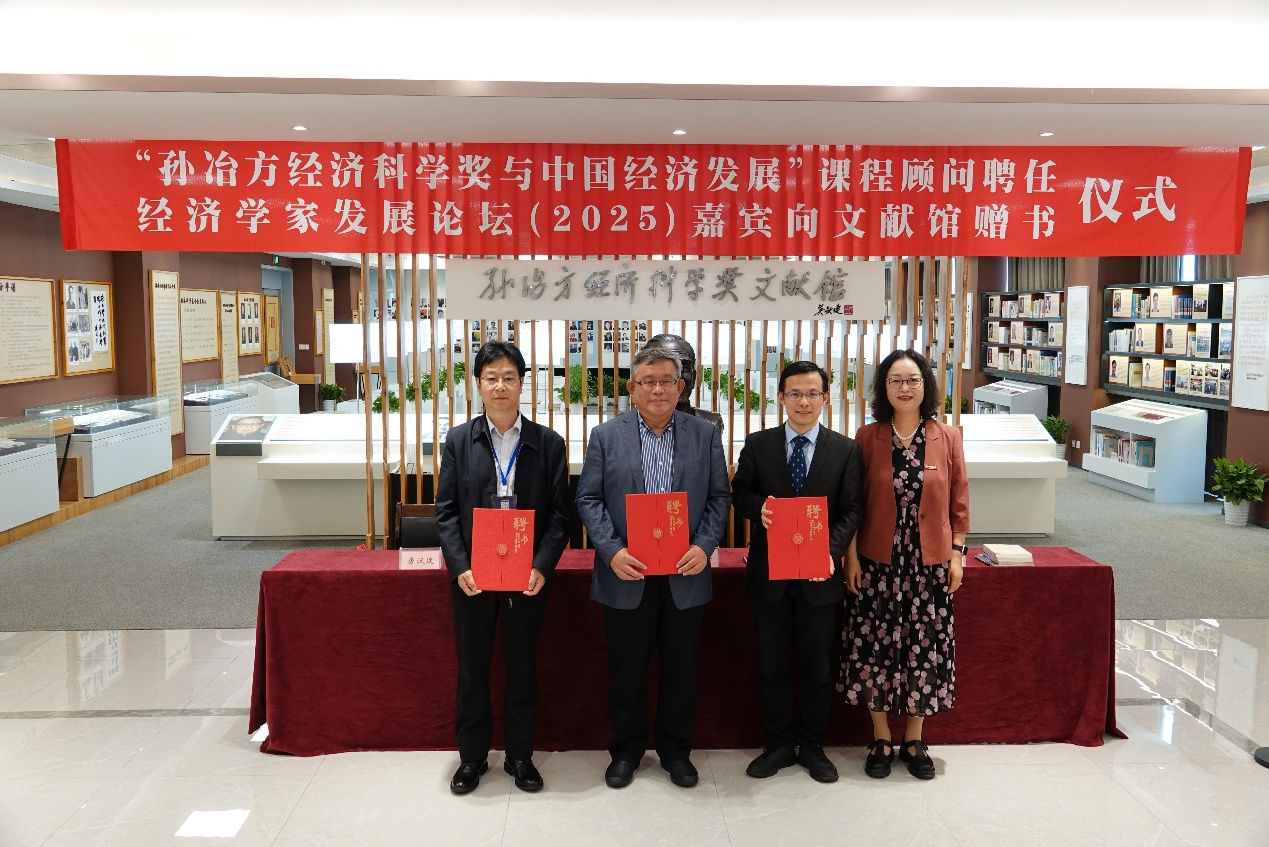
During the forum, Chen Shiyi, Guo Kesha, Zhong Ninghua and Fang Hanting were appointed as consultants for ZUFE’s course The Sun Yefang Prize in Economic Sciences and China’s Economic Development. They also donated signed copies of their works to the university’s literature library. Accompanied by Vice President Zheng Yali and other university leaders, distinguished guests visited the Literature Libraries of the Nobel Memorial Prize in Economic Sciences and the Sun Yefang Prize in Economic Sciences.
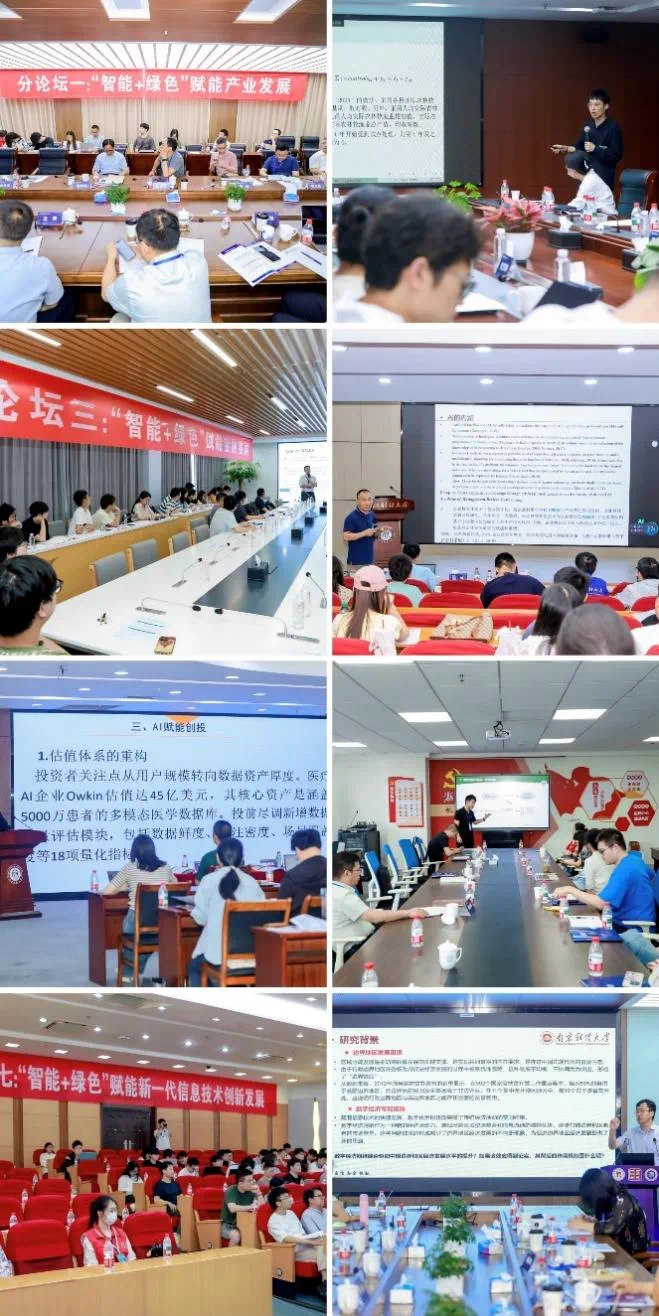
Seven parallel sub-forums were held on the same day, exploring the core paths for high-quality development empowered by “Intelligence + Green” around a series of themes, namely “Intelligence + Green” Empowering Industrial Development, “Intelligence + Green” Empowering Fiscal System Reform, “Intelligence + Green” Empowering the Building of a Strong Financial Nation, “Intelligence + Green” Empowering the Development of Accounting Science, “Intelligence + Green” Empowering Production, Consumption, Innovation and Entrepreneurship, “Intelligence + Green” Empowering Modern Governance, and “Intelligence + Green” Empowering the Innovation and Development of New-Generation Information Technology. The eighth sub-forum themed Statistics, Monitoring and Evaluation for High-Quality Development Empowered by “Intelligence + Green” is scheduled to be held at the Xiasha Campus on May 24.
As a high-end academic brand of Zhejiang University of Finance and Economics, the Economists Development Forum inherits the spirit of senior economists of respecting objective laws and upholding truth, and adheres to the mission of promoting theoretical innovation and disciplinary progress in economics. It offers policy suggestions for further deepening economic system reform and drives innovation in economic research. Focusing on the trends of the artificial intelligence era, green and low-carbon transition and high-quality development, the forum brings together renowned experts and scholars at home and abroad, effectively boosting theoretical innovation and practical breakthroughs in economic disciplines. It will continue to contribute more efforts to revitalizing Zhejiang’s academic heritage in the new era and building a high-level cultural province, and provide more targeted practical guidance for high-quality economic development in Zhejiang province and the whole country.
(Correspondent: Deng Nianqi | Editor: Zhao Lei)