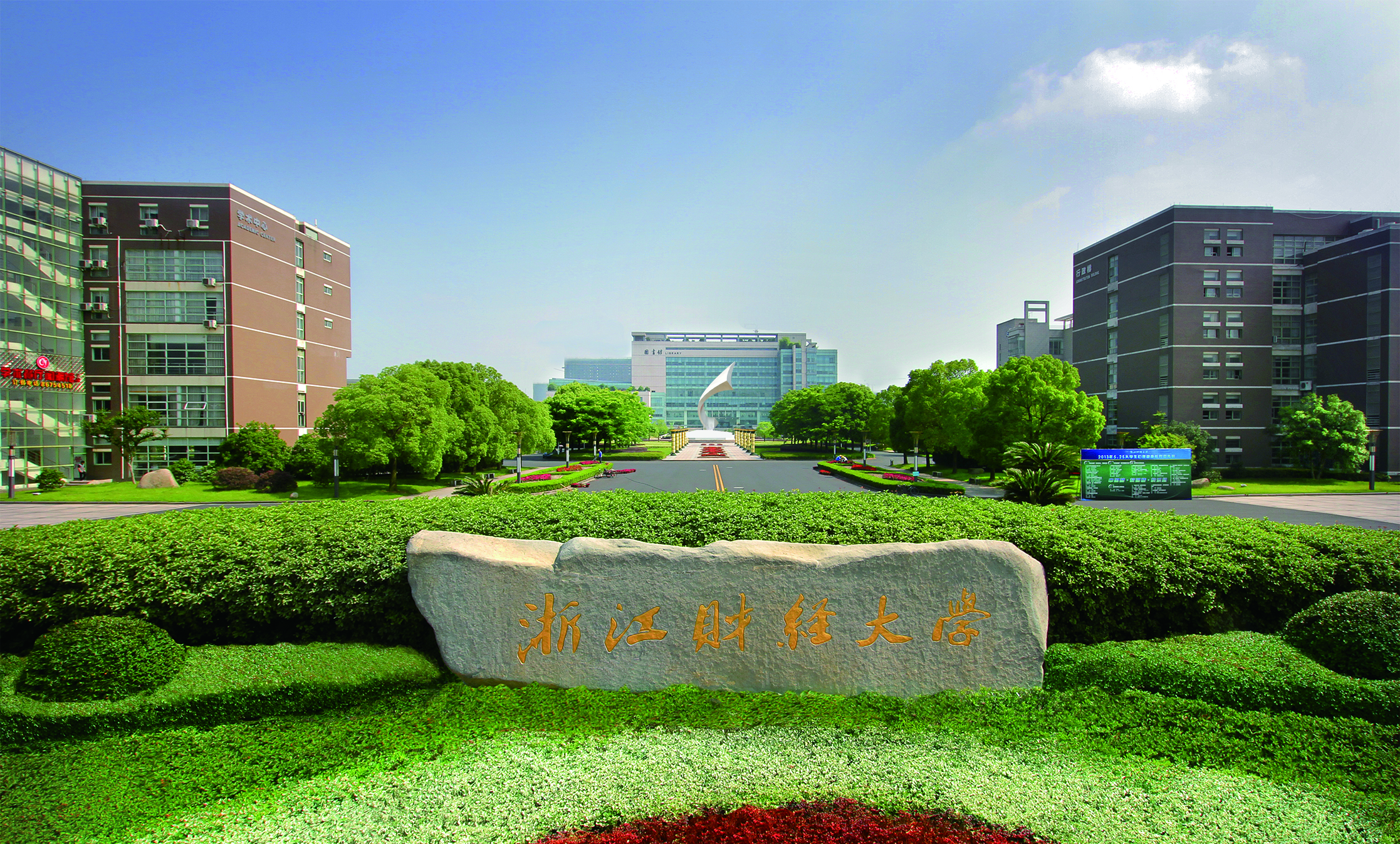
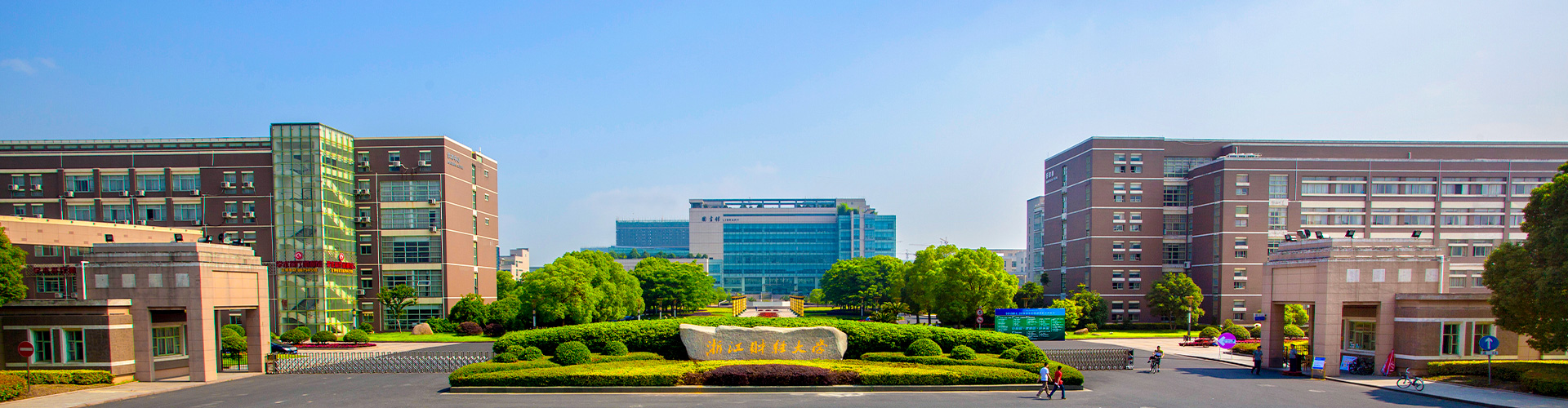
On November 9th, “International Experience and Practical Exploration on Developing World-Class Key Education Hubs”, a parallel forum of “2025 International Forum on Higher Education” sponsored by China Association of Higher Education and Zhejiang University and co-organized by Zhejiang University of Finance and Economics (ZUFE), was held in Hangzhou. Guan Peijun, Vice President of China Association of Higher Education, attended the forum. Wei Jiang, Party Secretary and President of Zhejiang University of Finance and Economics (ZUFE), and Lin Weiwei, President of Times Higher Education (THE) Asia Pacific, attended the forum and delivered speeches. Wang Xiaomei, editor-in-chief of China Higher Education Research and former deputy secretary-general of China Association of Higher Education, presided over the opening ceremony.
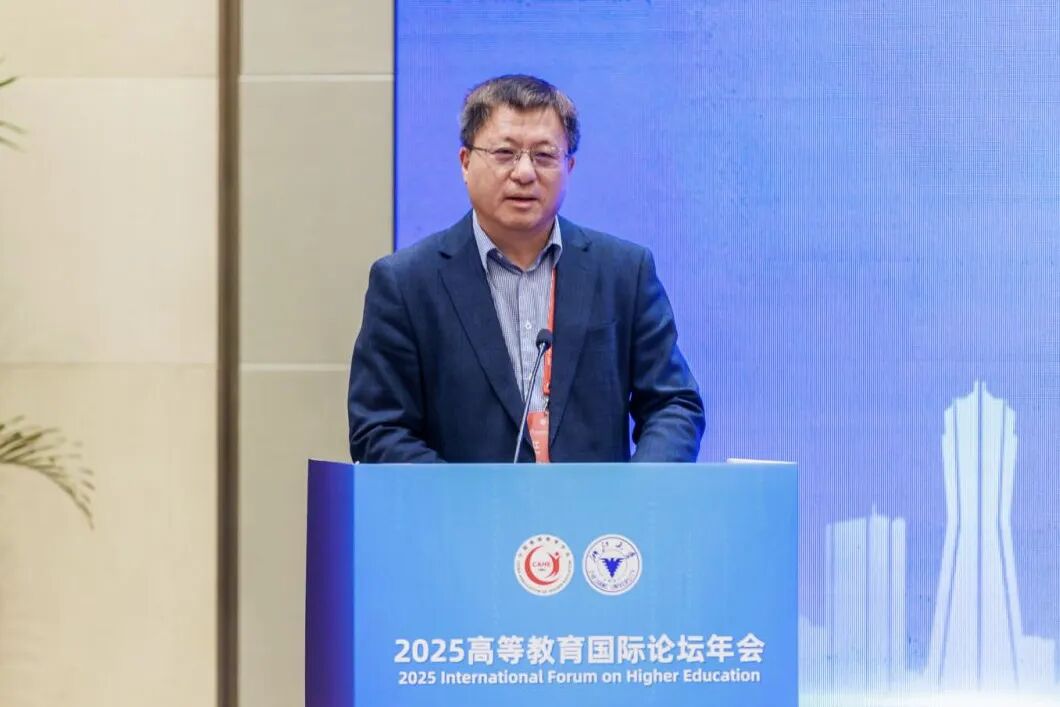
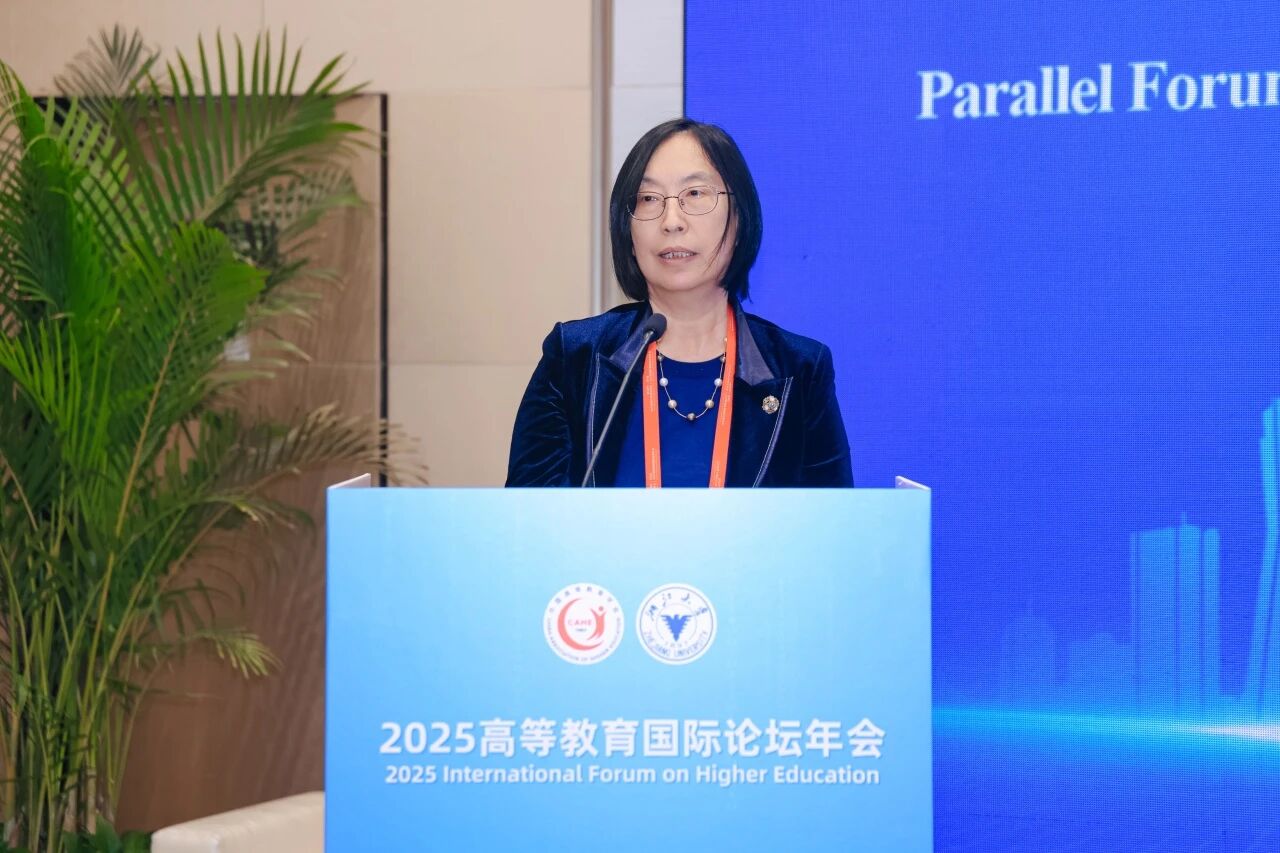
魏江致辞
In his speech, Wei Jiang welcomed and thanked the guests. He said that today, with the accelerating evolution of global changes in a century and the wave of artificial intelligence (AI) sweeping all walks of life, the form and paradigm of higher education are facing unprecedented and profound changes. Zhejiang University of Finance and Economics (ZUFE) is vigorously implementing the “"New Finance and Economics Strategy"”, comprehensively promoting the reform of “new discipline system, new training system, new ecological system and new governance system”, and actively building a new pattern of discipline development of “finance & economics × science & technology”, “finance × digital intelligence” and “finance + industry”. He shared the reform practice of ZUFE with the topic of “The International Situation of AI Empowering New Business Talents Training and the Practice of ZUFE”: building a personalized training system of “one flower, one world, one student, one plan”, and breaking the traditional paradigm through measures such as grass-roots teaching organization reform and curriculum system reconstruction. It is hoped that in this education reform related to the future, ZUFE can actively contribute its wisdom and solutions, and contribute wisdom and strength to the global education reform.
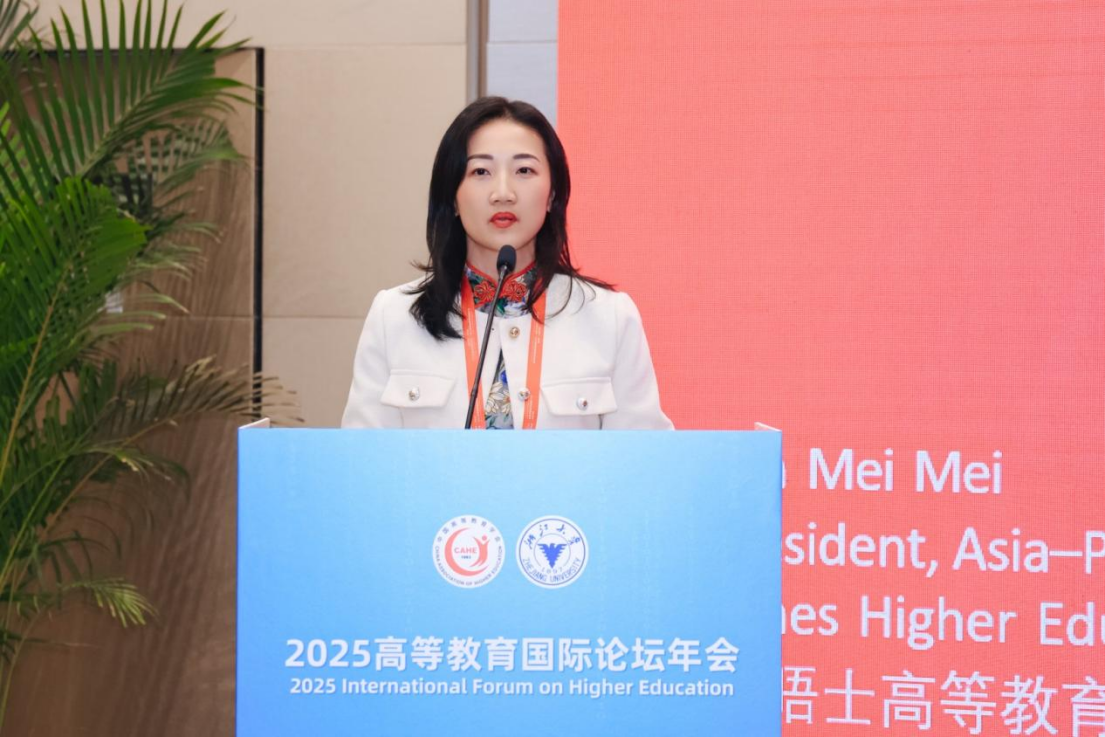
In her speech, Lin Weiwei said that in the tide of higher education globalization, Times Higher Education (THE) is committed to realizing a profound transformation of its role, that is, from a “judge” of the global education landscape to a “co-builder”. Its core ambition has gone beyond providing authoritative rankings to building an empowering platform that blends data insights, strategic thinking and global networking. Through precise data analysis, it not only maps the academic landscape but also unveils future development trends. Leveraging cutting-edge think tank research, it pioneered the new paradigm of “Transnational Education 3.0”, shifting educational cooperation from mere curriculum export to an innovative ecosystem featuring in-depth integration of scientific research, industries and economic development. The essence of this role is “connection” and “shaping”. Like a strategic architect, it takes “insight, shaping and connection” as the methodology to accurately connect the world’s top universities, governments and industrial needs, aiming to reshape higher education from traditional knowledge transfer to the core engine of national innovation ability and long-term competitiveness.
In the keynote presentation session, Jia Wenjian, President of Beijing Foreign Studies University, Diego Ambasz, Senior Education Specialist for the East Asia and Pacific Region, Education Global Practice, World Bank, Xu Tao, Party Secretary of Shanghai University of Finance and Economics, Robin Seymour Rowe, Chief Scientist of School of Artificial Intelligence and Professor of International Telecommunication Union, Yang Bo, President of Hangzhou City University, Huang Futao, Professor of Hiroshima University, Xu Xiaozhou, Member of Academic Advisory Committee of China Association of Higher Education, Former Dean of Communication University of Zhejiang and Distinguished Professor of Qiushi of Zhejiang University, Guo Shibao, Professor of University of Calgary, Hua Ying, Professor of College of Arts and Sciences of Cornell University and Founding Director of Cornell China Center, and Meng Qingyu, President of Hebei University, respectively delivered keynote presentations. Dong Jincai, Vice President of Zhejiang University of Finance and Economics (ZUFE), presided over the keynote speech.
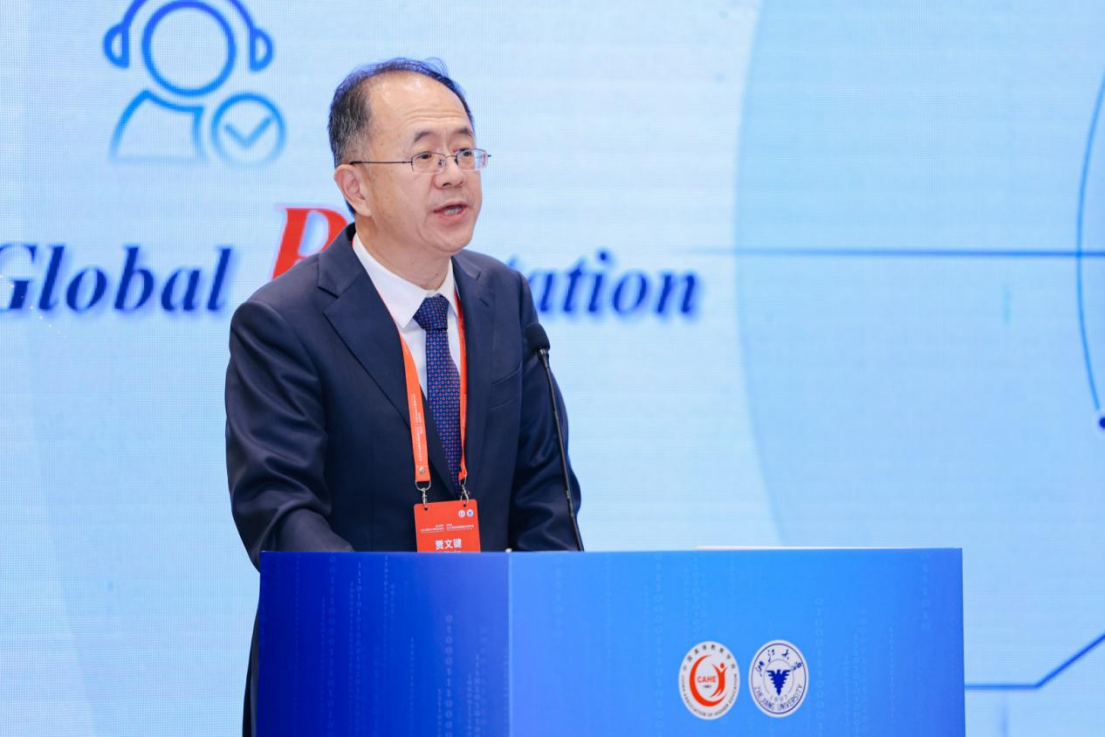
Jia Wenjian gave a keynote speech on the topic of “Beijing Foreign Studies Practice of Cultivating Outstanding Talents in Practical Global Governance in the Era of Digital Intelligence”. He summarized Beijing Foreign Studies University’s institutional features of “centering on foreign languages and literatures while pursuing comprehensive development across multiple disciplines”, as well as its school-running philosophy of “valuing the integration of humanities and science & technology and furthering in-depth international exchanges and cooperation”. Supported by empirical statistics, he illustrated BFSU’s achievements in its pursuit of building a world-class foreign studies university. He elaborated on BFSU’s global strategic initiative titled BFSG CREATE, whose four core objectives cover serving the capital, faculty development, student cultivation and enhancing global influence. Relying on six flagship programs including global connectivity and academic research as well as talent development, the university advances in-depth language education and inter-civilization exchanges and mutual learning. He called on global partners to join hands to promote talent training, academic research and cultural exchanges to contribute to global development.
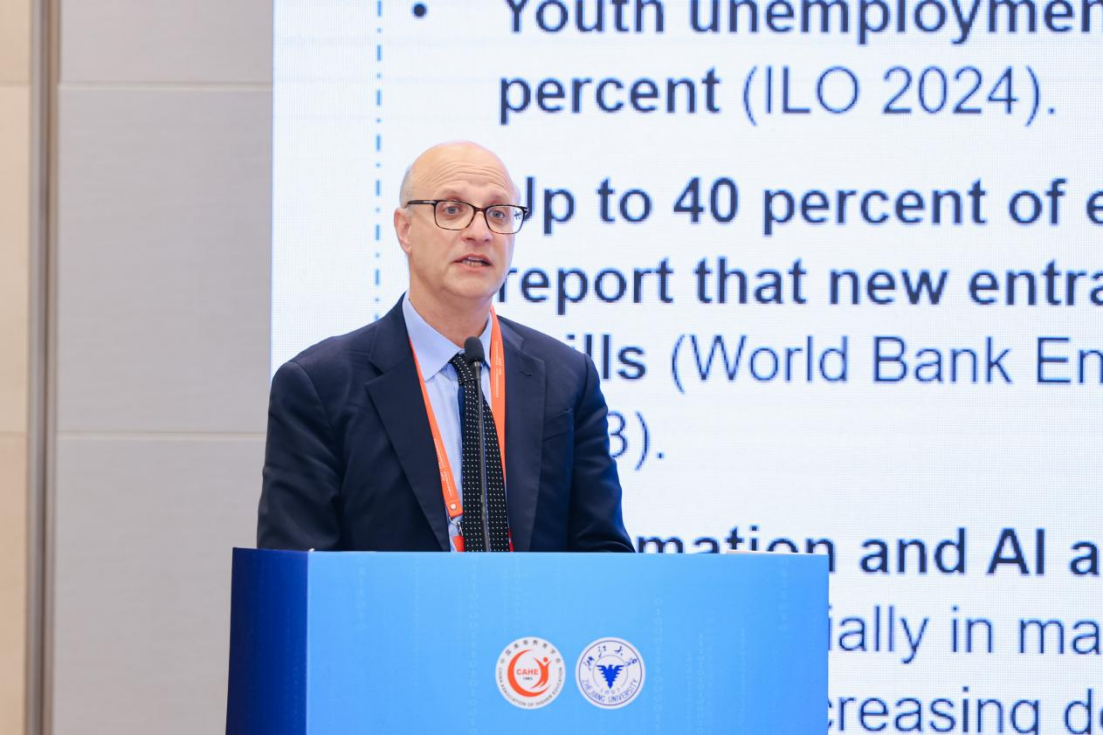
Diego Ambasz delivered a keynote speech themed Skill Development Landscape and Emerging Trends of Higher Education in East Asia and the Pacific. In his view, digital transformation is reshaping work organization across East Asia and the Pacific, green transformation spurs rising demand for new energy, and demographic transformation features concurrent population aging and workforce expansion. However, the region faces challenges such as high youth unemployment and a serious mismatch between skills and jobs. He put forward the concept of a “virtuous cycle of skills development”: matching skills with technologies and the environment can boost investment in education and employment growth, yet such progress is often hampered by resource constraints, information asymmetry and other hurdles. He recommended that countries strengthen policy coordination, upgrade digital teaching capacity, optimize training systems with real-time data, expand educational cooperation and access, and build a flexible and inclusive ecosystem for skills development.
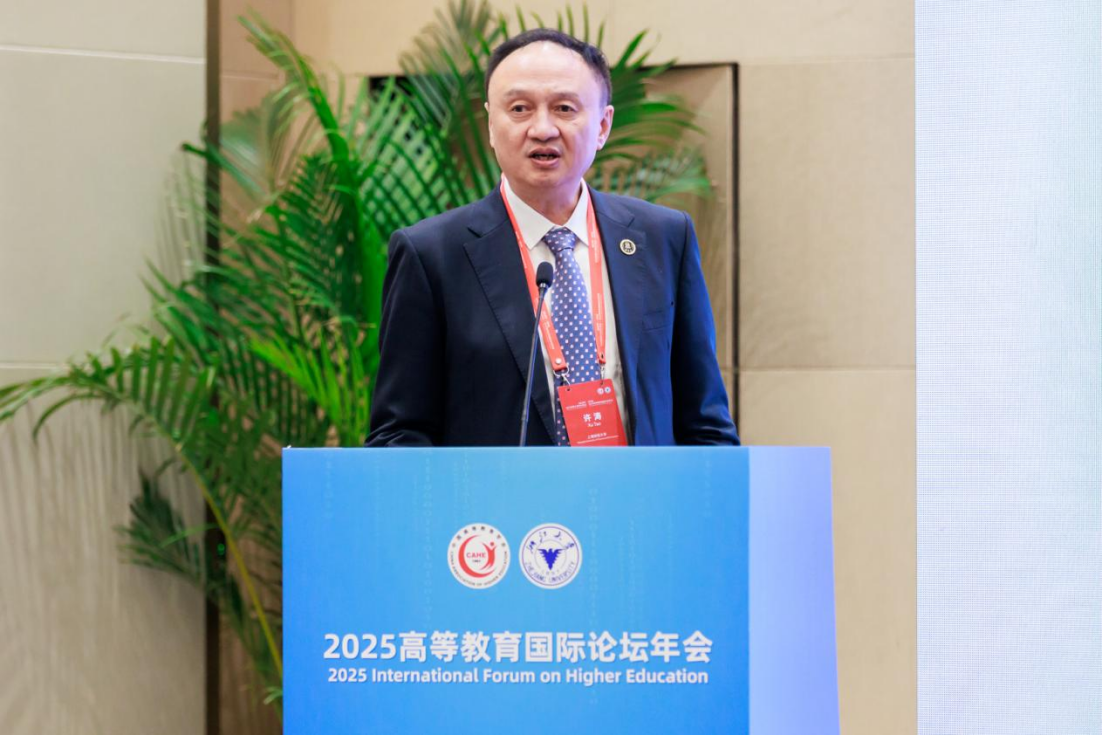
Xu Tao gave a keynote speech on the topic of “International Experience and Practical Exploration on Developing World-Class Key Education Hubs”. He pointed out that China’s construction of World-Class Key Education Hubs should not only be based on national conditions, but also learn from the experiences of other educational powers. Historically, shifts in centers of education generally precede those in science and technology. Prosperity in philosophy and social sciences serves as a prerequisite for an education powerhouse, while groundbreaking innovations in educational systems and state-driven initiatives constitute the linchpin behind the relocation of such hubs. China’s higher education has entered the stage of popularization, and the scale of education, talent training, discipline construction and scientific and technological innovation achievements have laid a solid foundation for educational power. He stressed that the Master Plan for Building China into a Leading Country in Education, as a national action programme, upholds the Party’s leadership and the people-centered philosophy of development. It balances scale against quality, equity against excellence, and inheritance against innovation, embodies Chinese characteristics, and will powerfully steer the steady advancement of the drive to build China into a leading country in education.
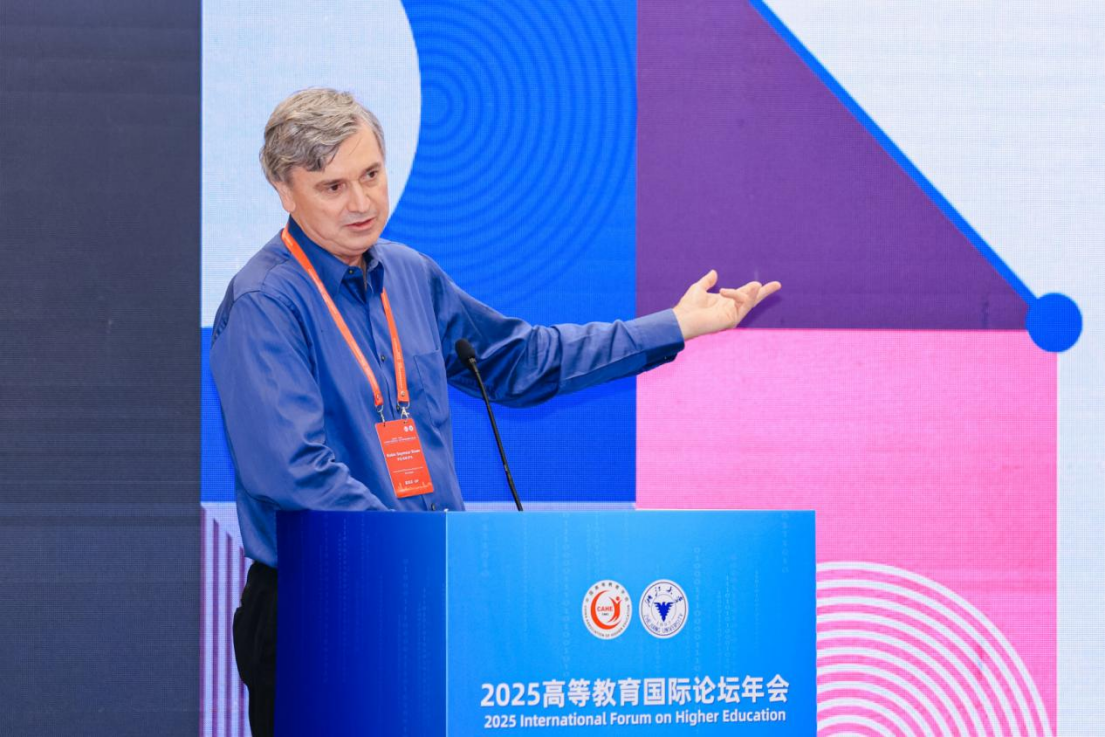
Robin Seymour Rowe delivered a keynote presentation on “Artificial Intelligence (AI) in Education and Cybersecurity: Applications and Prospects”. He conducted the analysis within the framework of the Hellmayer Catechism, pointing out that at the Do dimension (What are we trying to accomplish?), the education community is committed to integrating AI into teaching and cybersecurity. At the New dimension (What is new and why can it succeed?), national policy orientations diverge: the United States worries about AI-driven labor displacement, while China is vigorously rolling out the “2025 AI+’ initiative”. Regarding the Goo dimension (current implementation, practical progress and prevailing constraints), he took Community College of Baltimore County (CCBC) as a case in point, illustrating that its AI curriculum spans ethics, prompt engineering and system analysis. Nevertheless, the program is plagued by technical risks including improper student misuse and over-reliance on AI tools. Lastly, at the Who dimension (Who are the stakeholders and what impacts will emerge), Rowe stressed that global higher education must accelerate transformation to reframe AI from a tool for academic cheating into a collaborative partner that nurtures students’ critical thinking and innovative capabilities, a core imperative shared by educators worldwide.
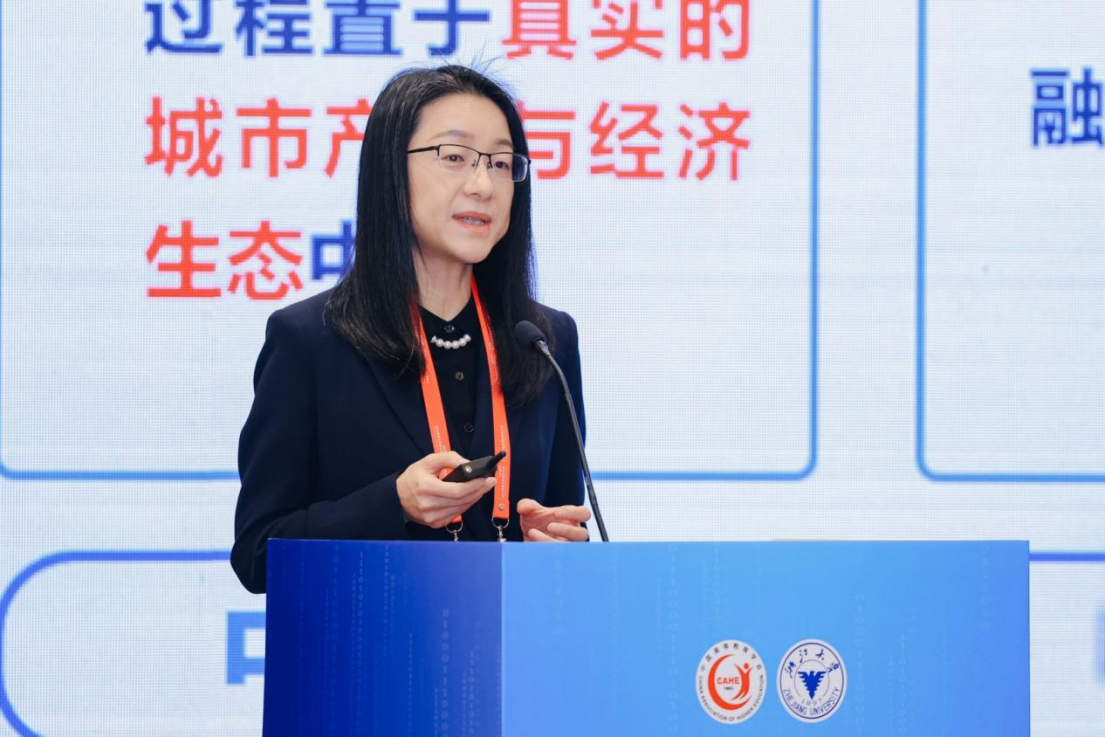
Yang Bo gave a keynote speech on the topic of “Exploration of Hangzhou City University in International Education of Local Applied Universities”. She systematically shared the practical path of how the school closely followed the integrated deployment of “education-science and technology-talents”, developed international education and accumulated talent training experience. The university closely aligns itself with Hangzhou’s five major industrial ecosystems including smart IoT and biomedicine. Through establishing a collaborative governance mechanism in partnership with the University of Waikato, New Zealand, it pioneers a talent training model featuring “City Plus, Digital Plus and Application Plus”, striving to foster interdisciplinary international application-oriented professionals. Based on practical exploration, she put forward four proposals for the high-quality development of local universities: accurately targeting regional development needs, deepening university-enterprise collaborative education, empowering development through the integration between industry and education, and strengthening the cultivation of innovative talents equipped with digital technologies. Her findings provide a referable practical paradigm for peer universities committed to serving regional development.
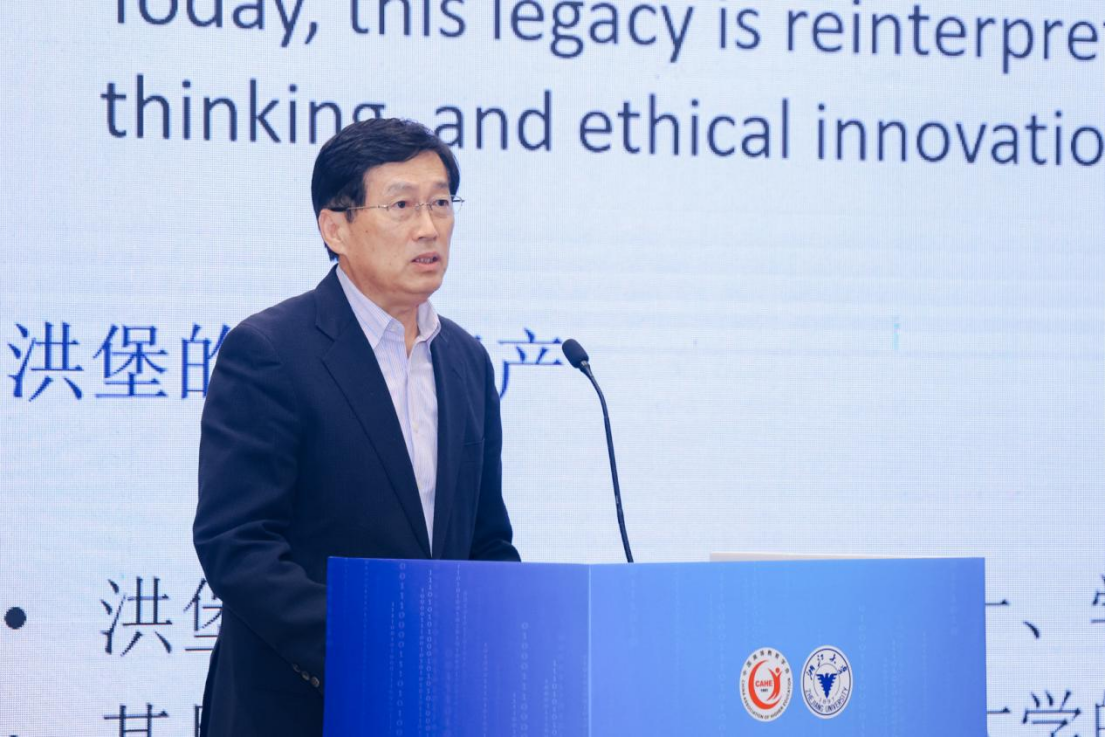
Huang Futao gave a keynote presentation on “Innovation, Challenge and Global Enlightenment of Undergraduate Research Education in China”. Based on field research on China’s research-oriented universities, he sorted out innovative practices and existing challenges in cultivating outstanding innovative undergraduate talents. He pointed out that institutions including Tsinghua University and the University of Chinese Academy of Sciences have developed distinctive training models by embedding research training into curriculum systems, establishing industry-university-research synergy mechanism and promoting interdisciplinary education. Such approaches carry forward Humboldt University’s tradition of integrating teaching and research while achieving innovative breakthroughs amid the AI era. Nevertheless, the prevailing models are still plagued by practical dilemmas such as heavy reliance on resources and limited scalability for local tertiary institutions. He suggested strengthening theoretical refinement and systematic development of practical achievements, advancing the global outreach of China’s distinctive model for cultivating top-tier innovative talents, and offering Chinese solutions for global higher education reform.
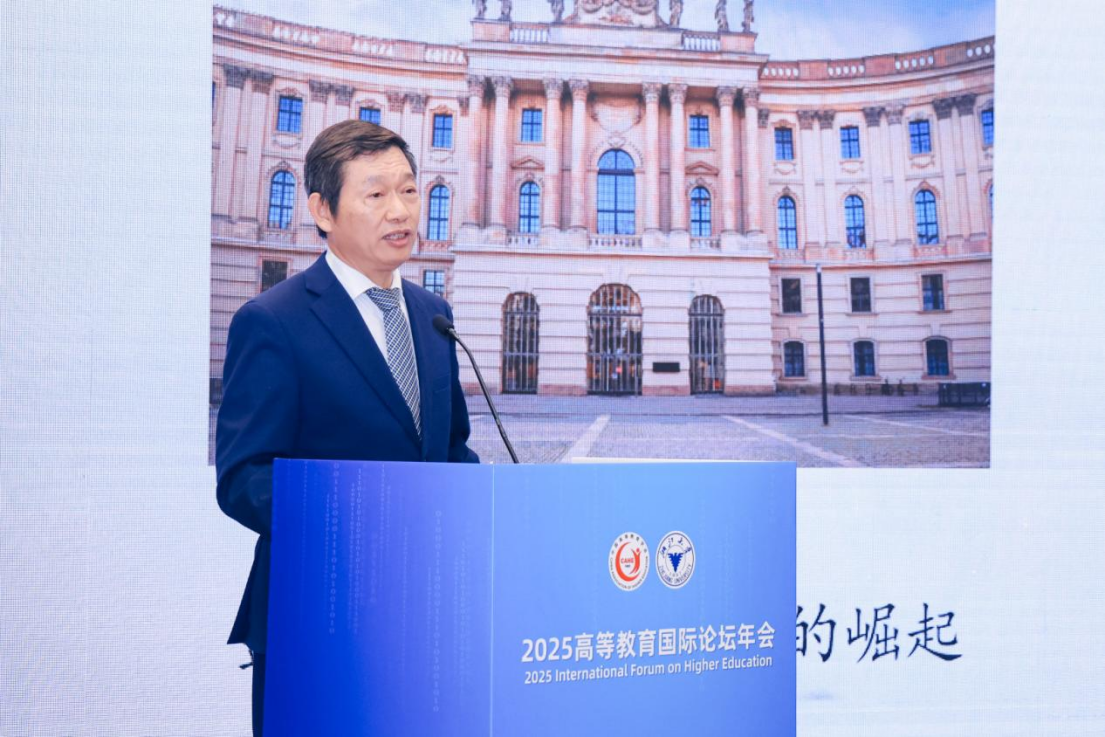
Xu Xiaozhou gave a keynote speech on the topic of “World-Class Key Education Hubs: International Experience and Development Enlightenment”. He believes that the World-Class Key Education Hubs have three distinctive characteristics, namely, advanced educational ideas, talents and major scientific and technological breakthroughs. By showing the movement trajectory of the World-Class Key Education Hubs from ancient East Asia, modern Europe and now North America, he summarized the two drivers of “internal rising demand” and “external competition drive” in this process, as well as the two construction modes of closed growth and open growth of the world’s educational centers and the spillover effects of positive and negative aspects. He proposed that we should think deeply about the basic path of forming World-class key education hubs in the world and the four constraints of scientific and technological leadership, talent gathering, advanced education and social civilization. He called on China to build a World-Class Key Education Hubs in four aspects: clarifying the direction, closing gaps, identifying distinctive features, and optimizing mechanisms.
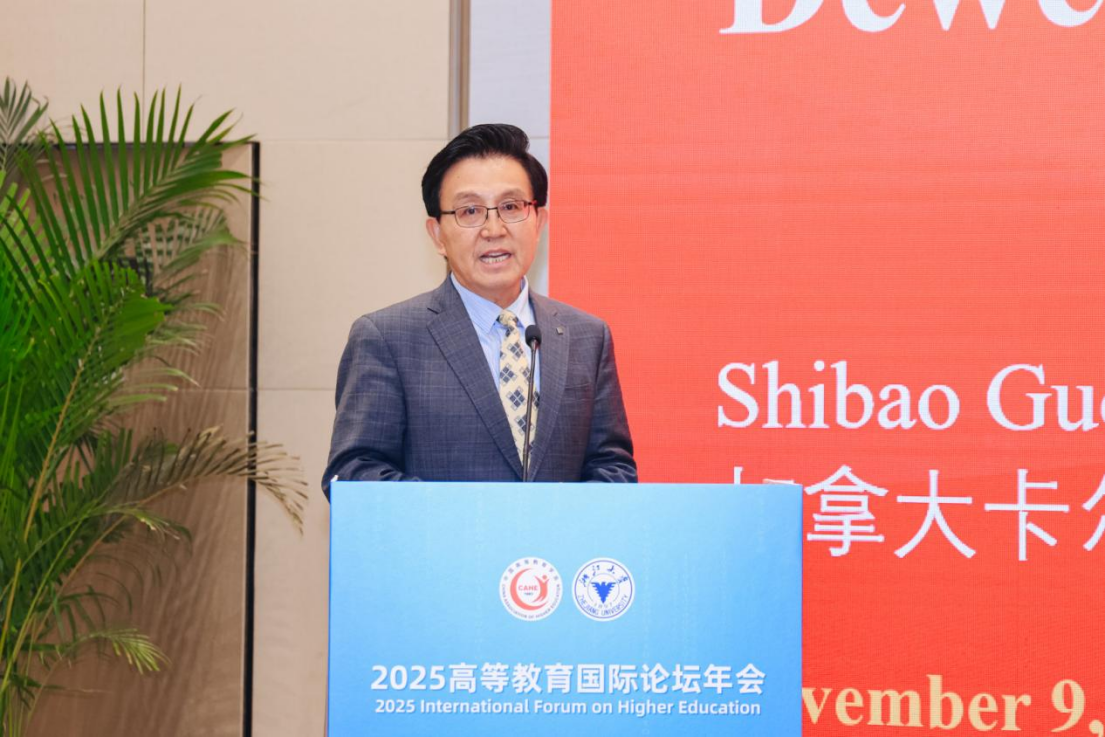
Guo Shibao delivered a keynote speech entitled “Re-examining the Internationalization of Higher Education: Towards the Path of De-Westernization”. He pointed out that the current international higher education shows a clear westernization tendency in the fields of student mobility, curriculum setting, language policy and academic publishing, which to some extent leads to the systematic marginalization of non-Western knowledge systems. In this regard, he put forward four transformation paths: breaking the one-way flow pattern and promoting two-way academic exchanges; Promote curriculum decolonization and establish equal dialogue mechanism; reconstruct the multi-language ecology and ensure cognitive diversity; strengthen academic publishing inclusiveness and promote equal dialogue among different epistemologies. He called for the internationalization of higher education to be transformed from a Western tool of expansion to a truly pluralistic and equitable global educational process.
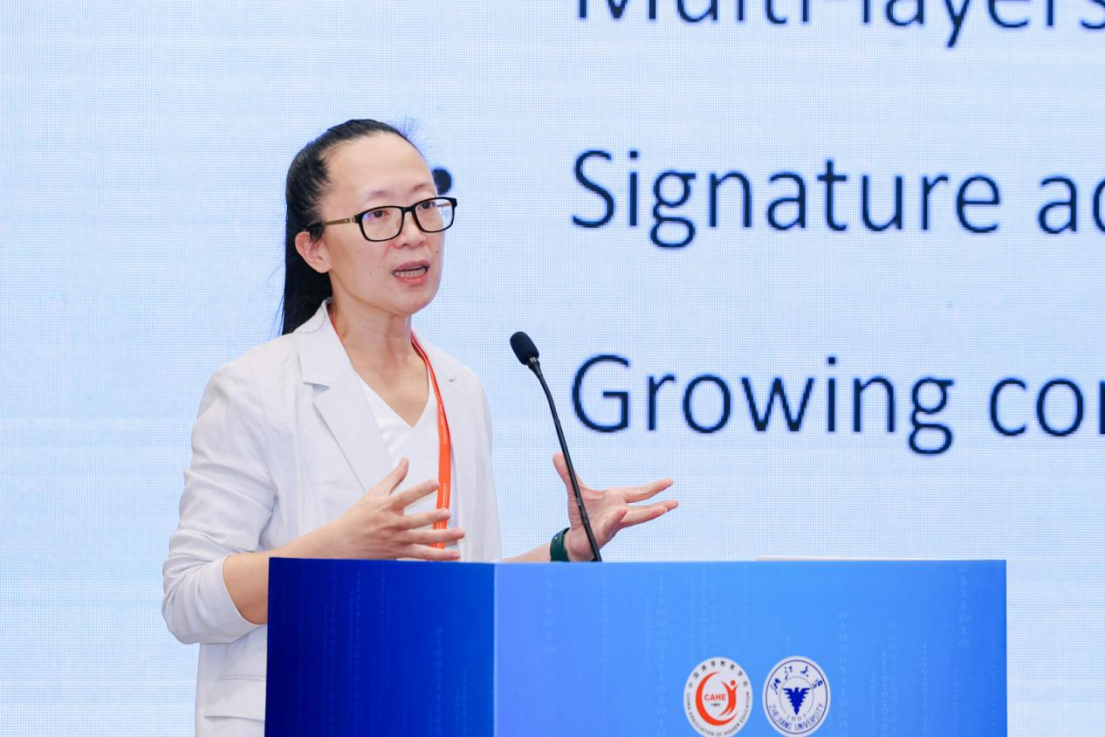
Hua Ying delivered a keynote presentation on “Building a Bridge of Global Connectivity: A Strategic Cornerstone of Global Education and Influence at Cornell University”. She said that Cornell University is committed to deepening cooperation with China and is constantly looking for new cooperation opportunities. Starting with the initial intention of the Cornell China Center, she expressed her keen expectation that universities need to “go out” and connect with the world. She stressed that Cornell University has always been committed to setting up “exchange programs” and other links to cultivate a new generation of talents with cross-cultural communication skills, collaboration skills, problem-solving skills and innovative spirit. She summarized two cases of linkage between Cornell University and Chinese universities, aiming to build consensus. Facing the future, she pointed out that universities will continue to use education as a link to deepen international cooperation and jointly meet global challenges.
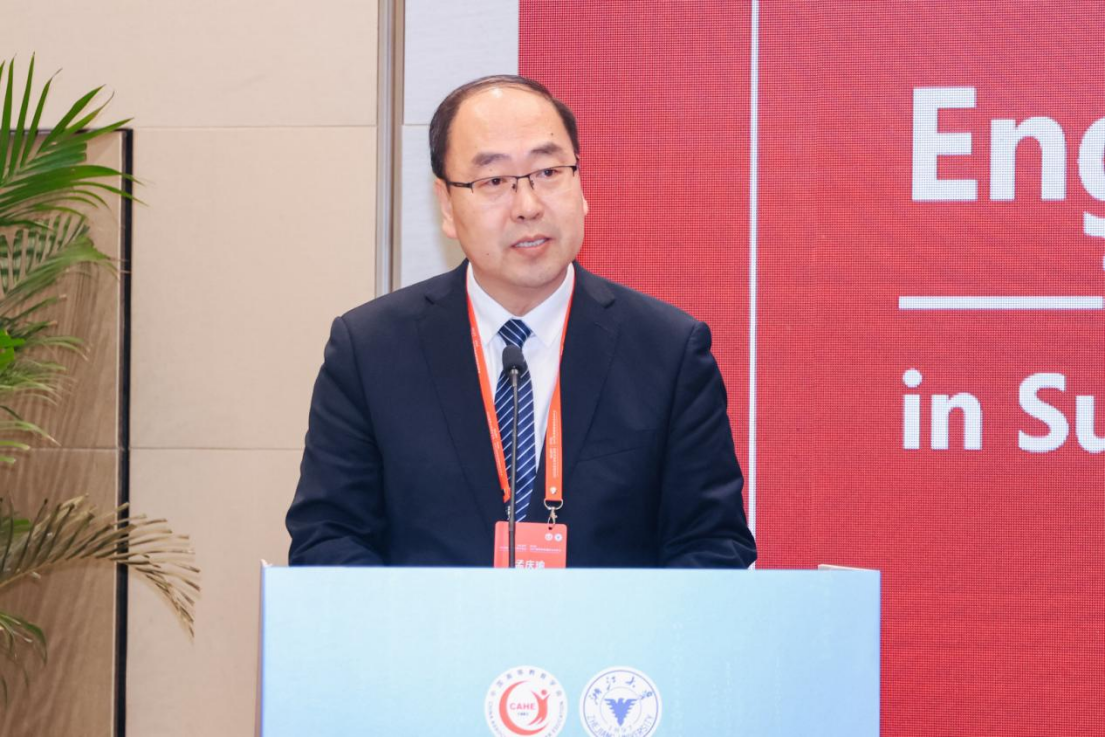
Meng Qingyu gave a keynote report on the topic of “Promising, Good and Able—Thinking and Action of Local Comprehensive Universities to Serve the National Education Opening-up Strategy”. He pointed out that at present, local colleges and universities are still on the edge of opening up to the outside world, and are facing the practical challenge of unbalanced resource allocation. In this regard, he took Hebei University as an example to put forward three innovative practices: First, optimize the top-level design with the “big international education concept” and build a “four-chain integration” talent training ecology; the second is to innovate the education mode with the “meta-ability teaching concept” and implement the project of improving the strength of running schools; the third is to strengthen the quality system with the “high-efficiency quality concept”, improve the level of scientific decision-making and management, and form a the “Hebei University (He Da) model” that can be used for reference. In the future, local colleges and universities should closely adhere to the national strategy, be innovative and inclusive in ideology, systematic and comprehensive in understanding, and practical and responsible in action, so as to jointly build a new highland of education opening up to the outside world.
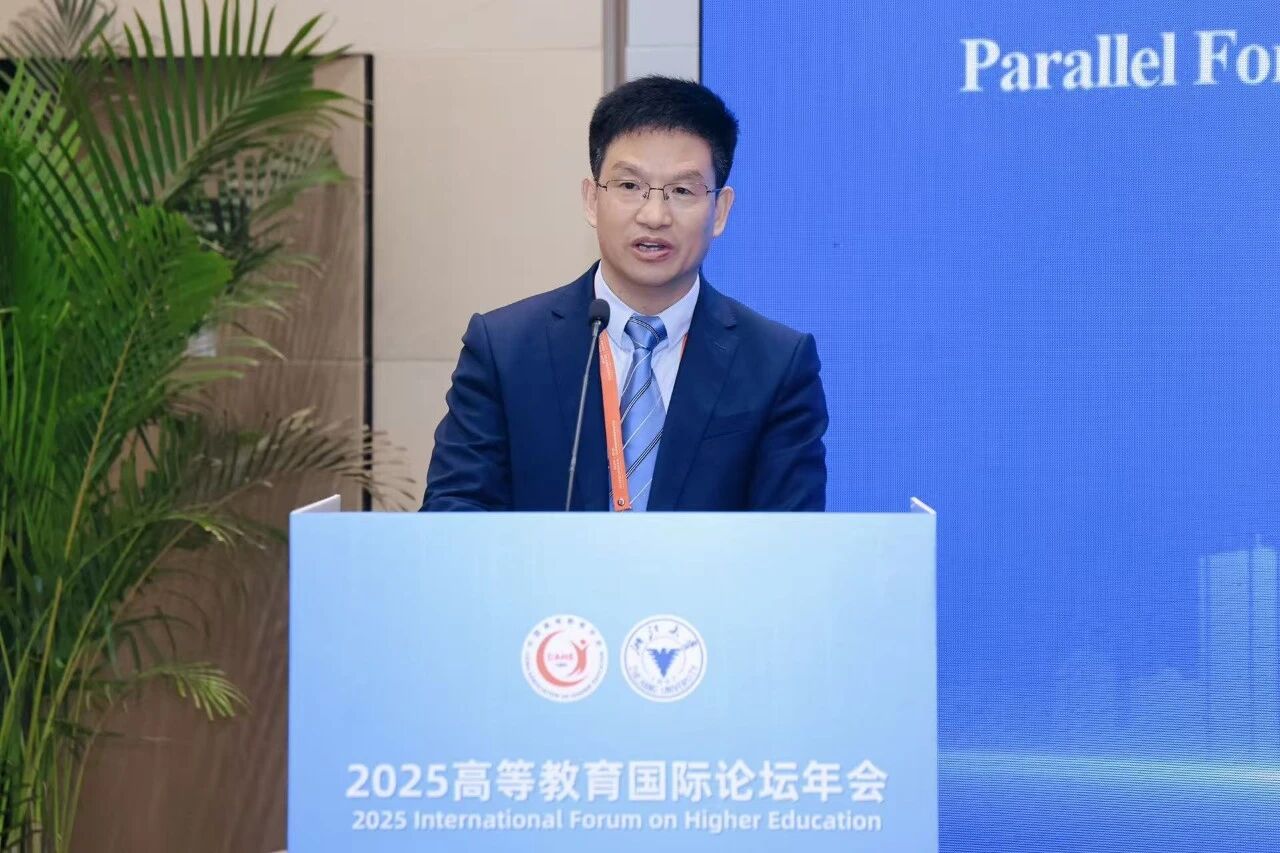
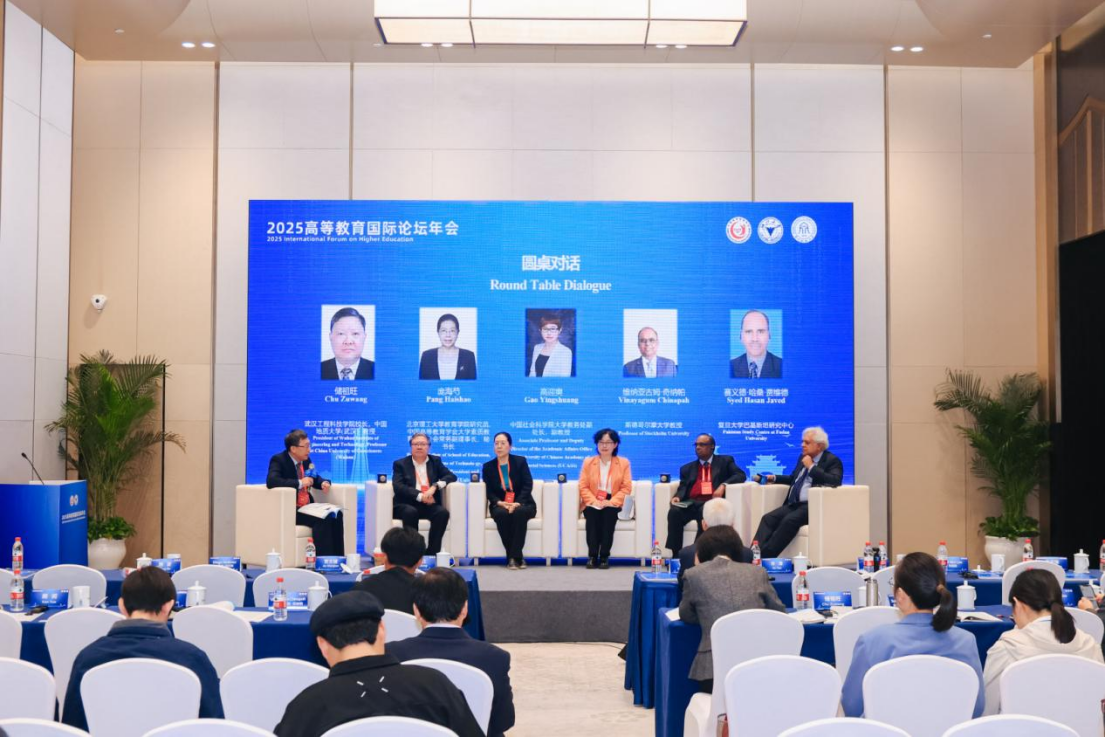
Chu Zuwang, President of Wuhan Institute of Engineering Science and Technology and Professor of Institute of Education of China University of Geosciences (Wuhan), Pang Haishao, Researcher of School of Education of Beijing Institute of Technology and Executive Vice Chairman and Secretary General of University Quality Education Research Branch of China Association of Higher Education, Vinayagum Chinapah, Professor of Stockholm University, Syed Hasan Javed, Director of China Studies Research Center of Pakistan National University of Science and Technology, Gao Yingshuang, Deputy Director and Associate Professor of Academic Affairs Office of University of Chinese Academy of Social Sciences (UCASS), etc. The round-table dialogue was chaired by Kan Yue, Dean of the School of Education of Zhejiang University.
(Correspondent: Ping Qianhui; Editor: Che Peng)