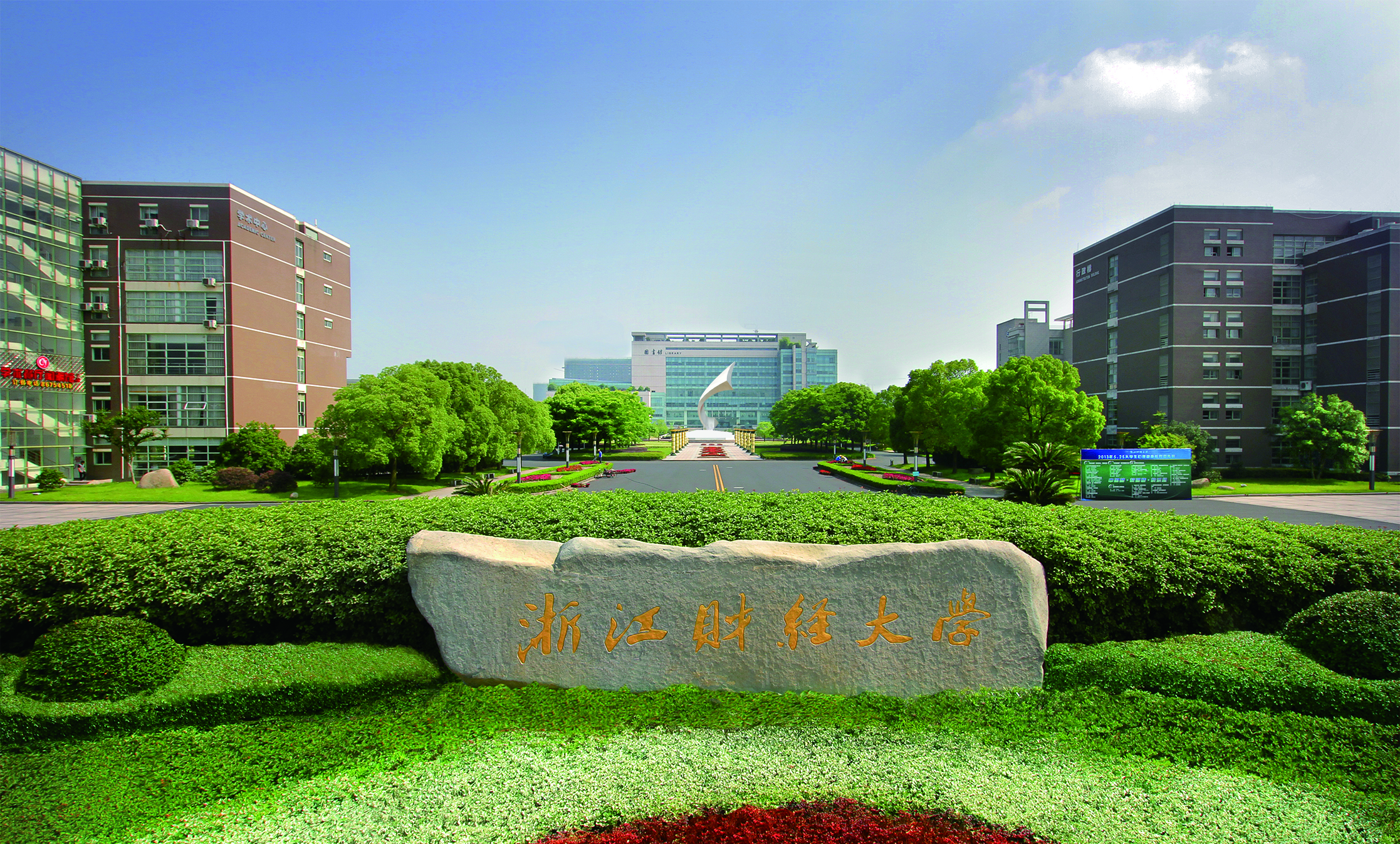
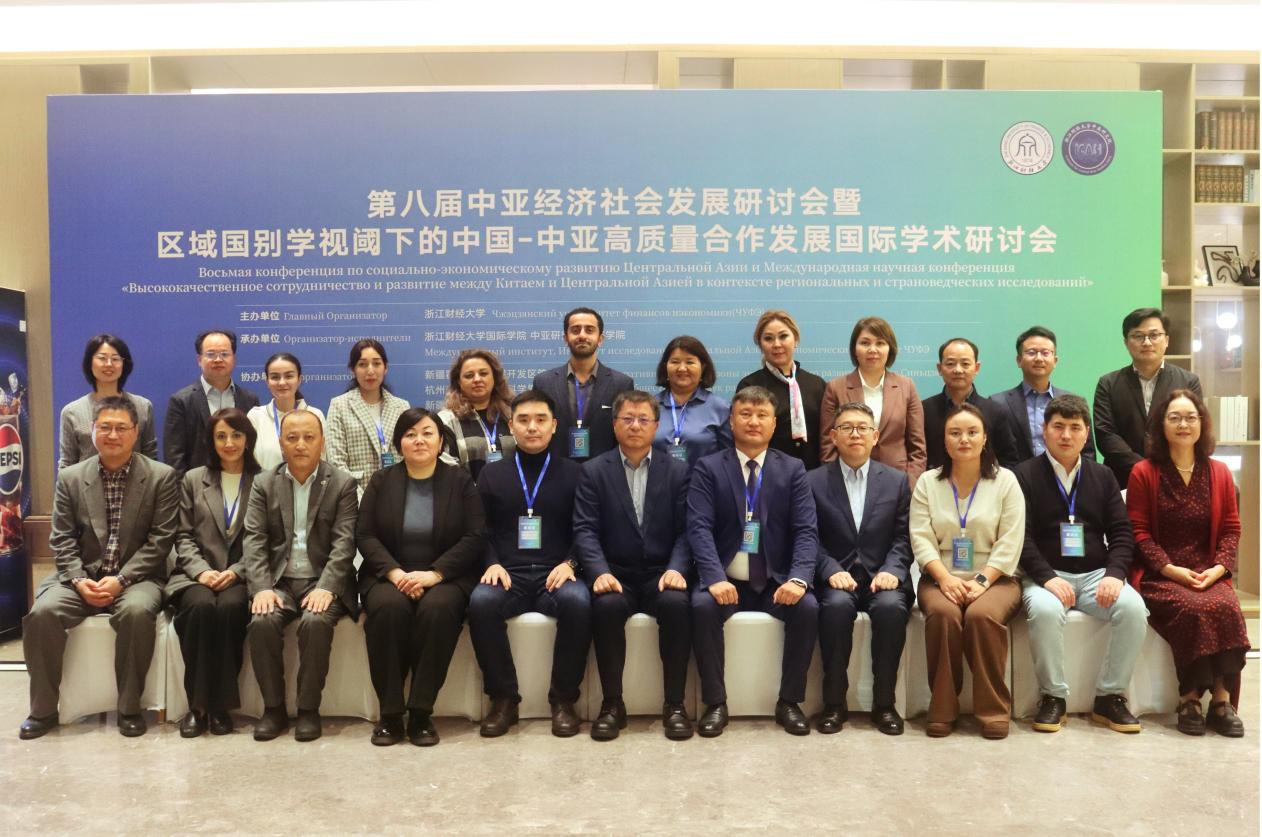
On November 8, the 8th Central Asia Economic and Social Development Symposium and International Academic Symposium on High-quality China-Central Asia Research from the Perspective of Area Studies was held at the Xiasha Campus. Former Party Secretary of Zhejiang Federation of Social Sciences Guo Huawei, Vice President of Zhejiang Trade Promotion Committee Ge Yongmei, and other leaders attended and delivered speeches. The forum opening ceremony was chaired by Vice President Zheng Yali. Over 60 experts and scholars from government, business and academia, and research communities, both domestic and international, delivered presentations, with more than 200 faculty and students attending in person.
Before the conference, Wei Jiang, Party Secretary and President of ZUFE, met with some of the Chinese and international guests and engaged in cordial exchanges with them.
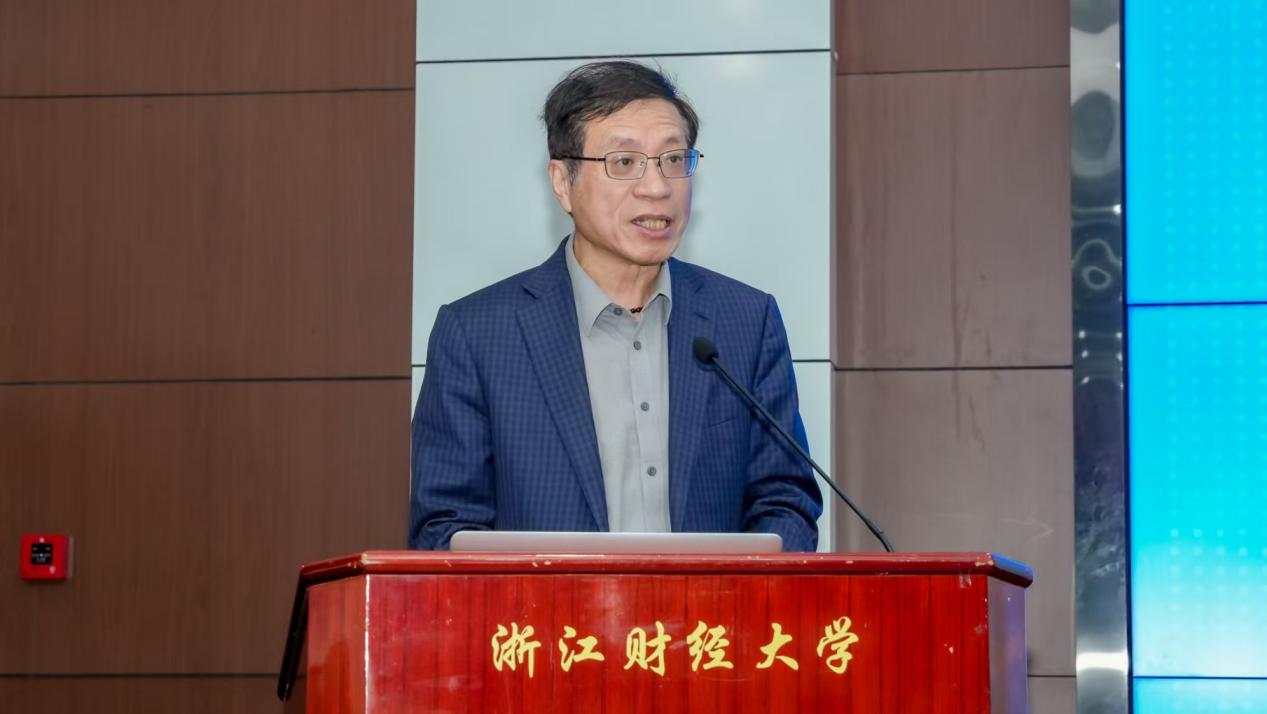
In his address, Guo Huawei stated that the Zhejiang Federation of Social Sciences has always regarded promoting area studies as an important responsibility and mission. He noted that preparations are actively underway to establish the Zhejiang Area Studies Society, aiming to integrate research forces across the province, build a collaborative innovation network, and create a high-level academic community. He expressed hope that the university would emphasize problem orientation and practical orientation, deepen intercollegiate cooperation both domestically and internationally, vigorously advance cross-disciplinary integrated research, and explore the construction of the discipline system, academic system, and discourse system of area studies from a financial and economic perspective, providing stronger theoretical and intellectual support for promoting high-quality China-Central Asia cooperation and development.
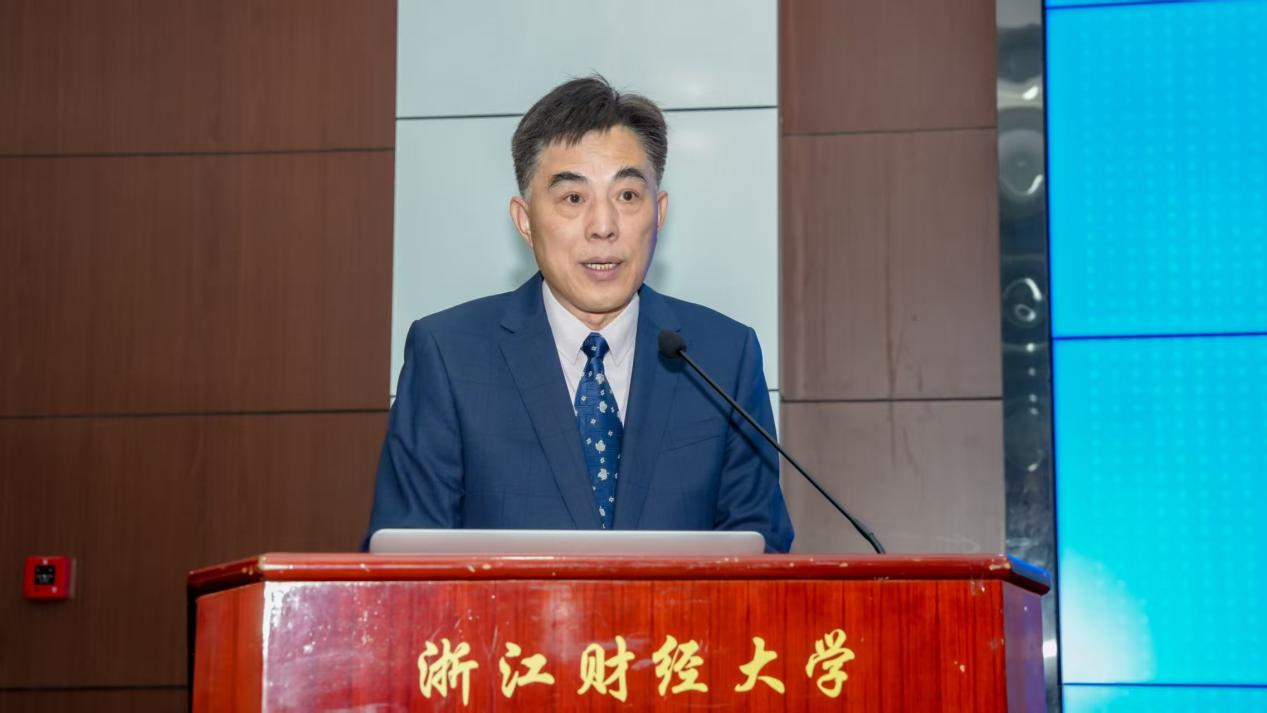
Ge Yongmei stated that the Zhejiang Trade Promotion Committee attaches great importance to Zhejiang’s economic and trade exchanges and cooperation with countries along the Belt and Road, creating a batch of Zhejiang trade promotion brands such as “Zheli (Zhejiang) Going Global”. The committee has jointly established the Institute for Central Asia Studies, ZUFE with ZUFE, strengthening systematic research on the economic, trade, investment environment, and policies of the Central Asia region, and has initially formed a four dimensional, deeply integrated exchange and cooperation mechanism invloving government, industry, academia, and research. Going forward, the committee will continue to leverage the talent and disciplinary advantages of universities to build a high-end think tank, injecting strong momentum into the healthy development of economic and trade and investment relations between China and Central Asian countries.
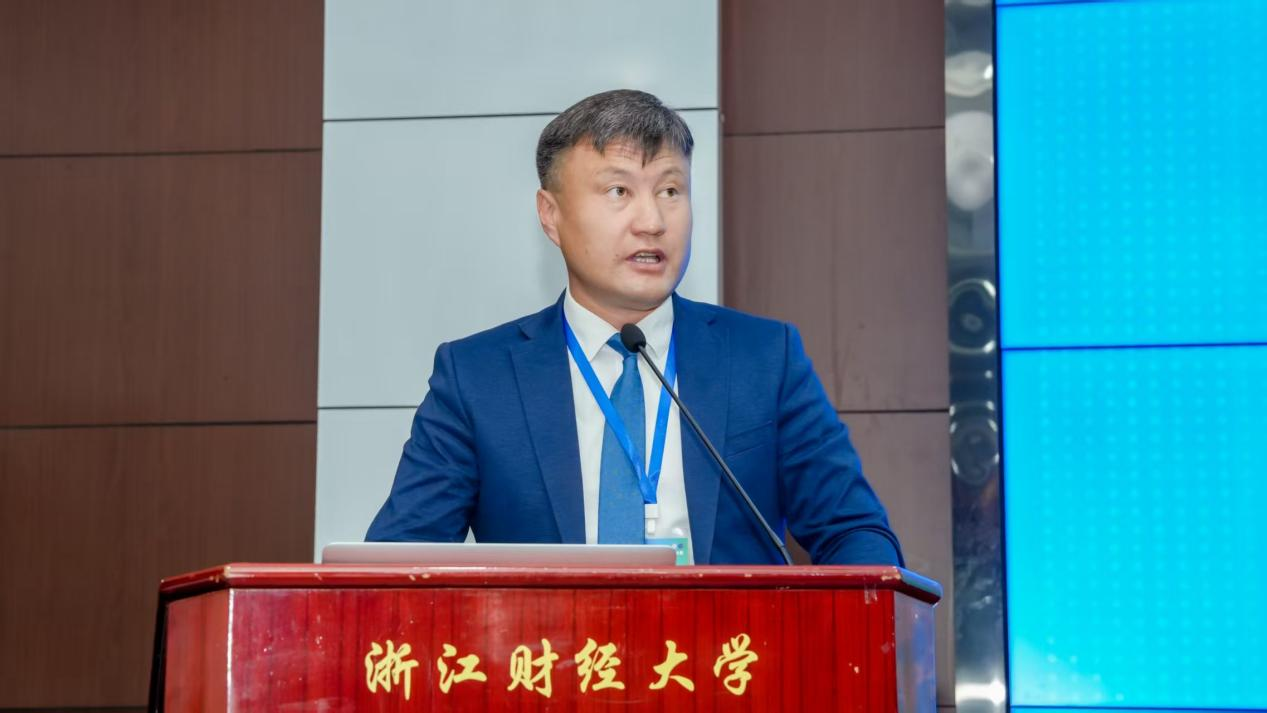
Beisenbai Ardak Bakytovich, Vice President of L.N. Gumilyov Eurasian National University, delivered a speech expressing gratitude to ZUFE for its meticulous preparation in hosting this conference. He noted that in recent years, Eurasian National University has actively promoted in-depth exchanges with Chinese universities, carrying out practical cooperation such as faculty exchanges, student exchanges, cultural mutual learning, and joint educational programs. The university has established substantive institutions including the Confucius Institute and the Luban Workshop. He expressed a willingness to further advance high-level academic exchanges and cooperation with Chinese universities, contributing more to China-Kazakhstan people-to-people and educational exchanges.
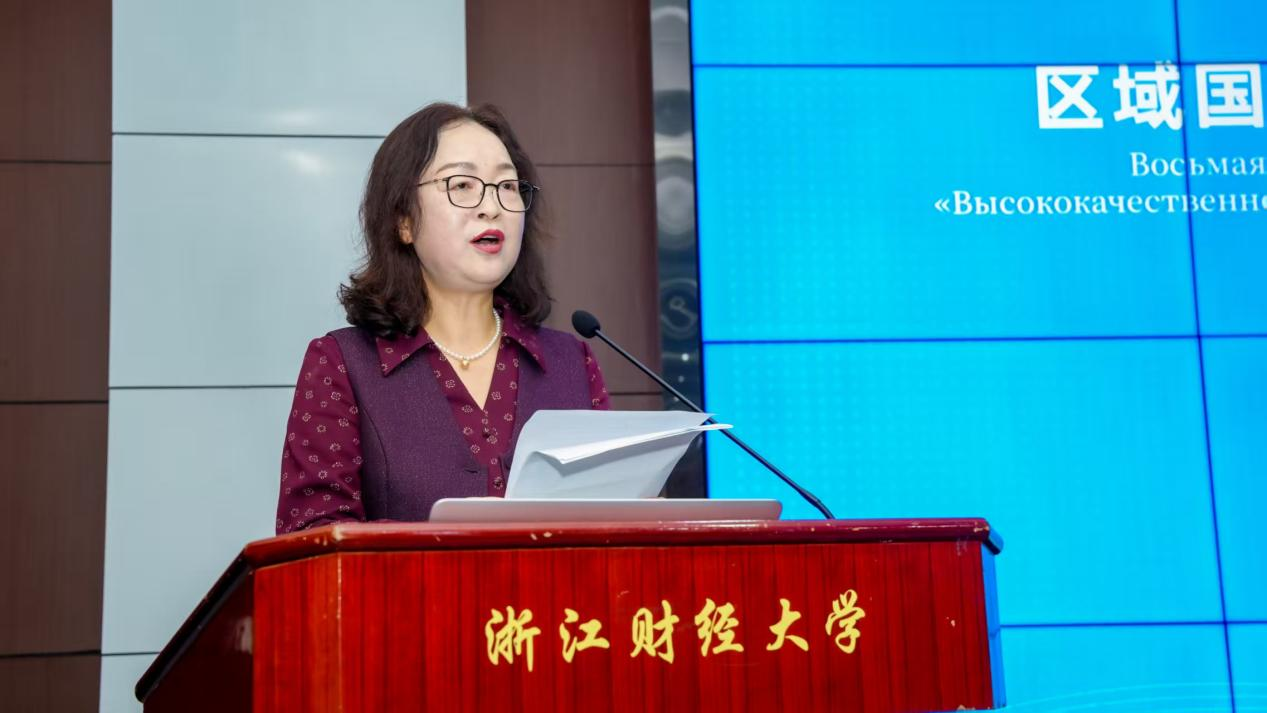
In her address, Zheng Yali pointed out that ZUFE has seized the opportunities in China-Central Asia cooperation, actively integrated into national strategies, and fully leveraged Zhejiang’s regional and institutional advantages. Together with the Zhejiang Trade Promotion Committee, the university established the Institute for Central Asia Studies, ZUFE, which was recognized as a provincial Key Research Center for Area Studies. Together with Almaty Management University, it established the China-Kazakhstan “Silk Road Institute”, which received provincial Belt and Road Silk Road Institute project approval. The university has built the distinctive profile of 'One Pole, One Place, One Town' and has enrolled over 700 Central Asian students, making it one of the most popular universities among Central Asian students. Moving forward, ZUFE will closely monitor the formulation of the national 15th Five-Year Plan, strengthen area studies with a more enterprising approach and practical measures, enhance international communication effectiveness, serve the Belt and Road Initiative, and contribute ZUFE’s wisdom and strength to building a China-Central Asia community with a shared future.
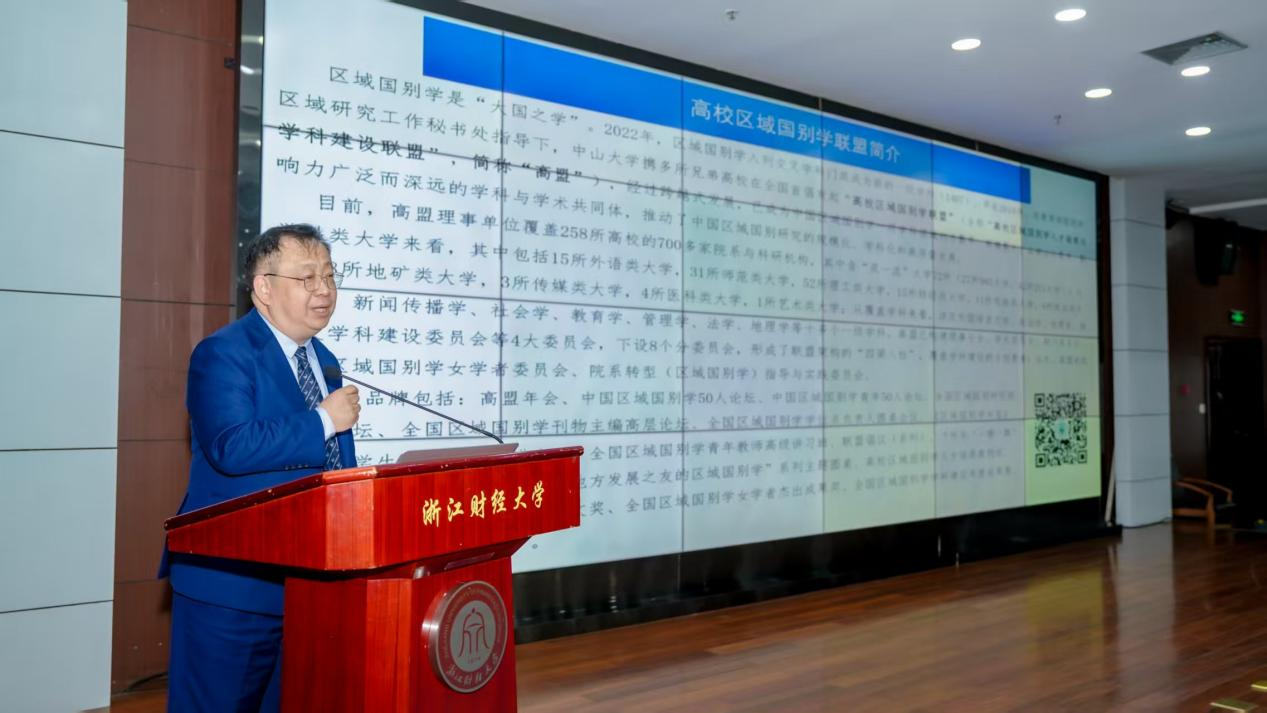
The conference gathered many distinguished experts. Luo Lin, Director of the Secretariat of the National and Regional Studies Working Committee of the Ministry of Education, delivered an invited report titled “Logic and Pathways for Building an Area Studies Academic Community”. He systematically elaborated on the functional positioning and implementation paths of area studies institutes, analyzed the main challenges currently facing discipline development, and proposed corresponding countermeasures. He emphasized that building an area studies academic community must be grounded in systematic thinking and focus on overall layout: both looking up to the stars, guided by academic ideals, and keeping feet on the ground, shouldering the mission of serving the country.
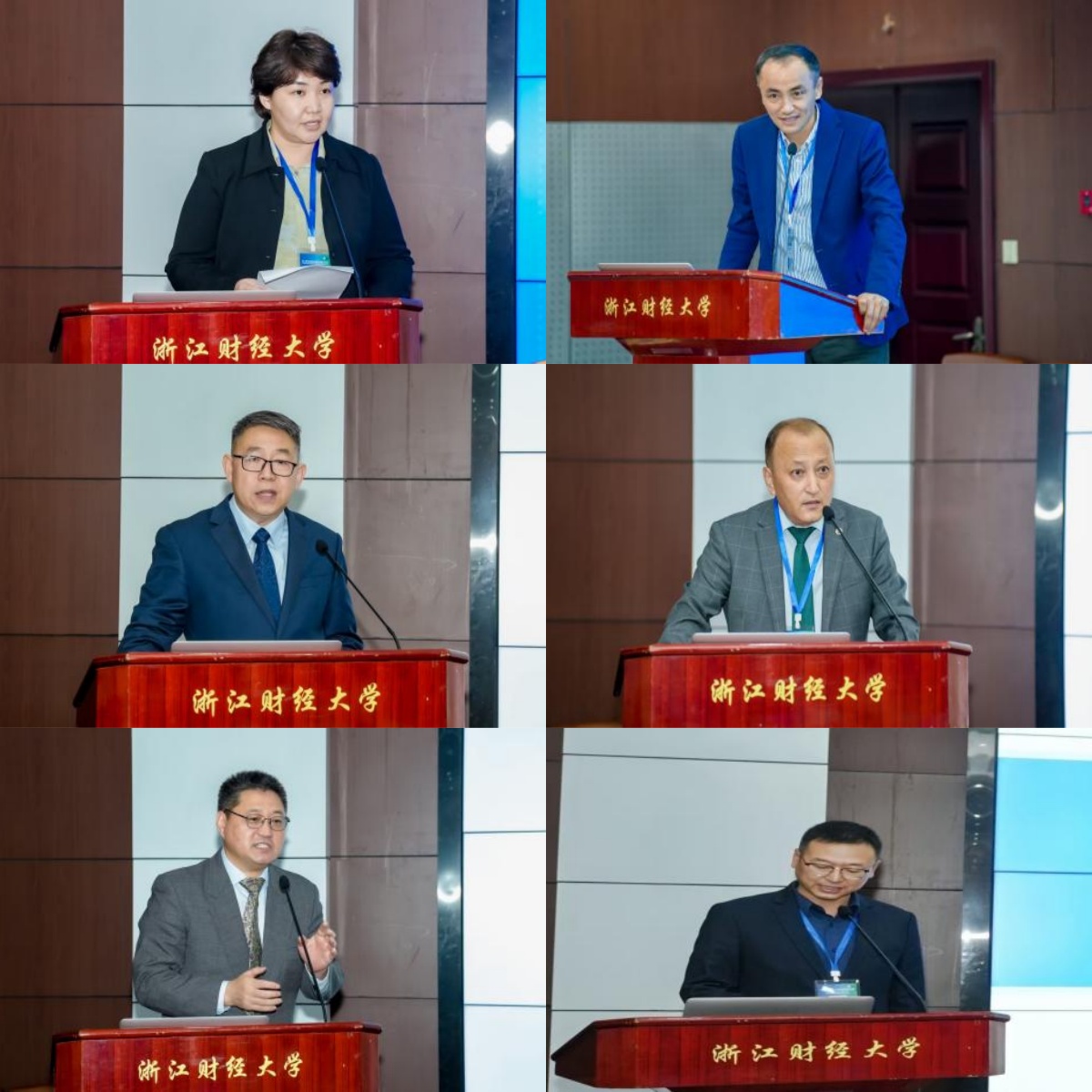
During the keynote report session, domestic and international experts and guests including Zhadyra Assetkyzy, Senior Expert of the Asia Research Department, Kazakhstan Institute for Strategic Studies under the President; Kairat, Vice President of Astana International University; Lu Shanbing, Director of the Institute of Central Asia Studies, Northwest University; Seken Adai, Professor of L.N. Gumilyov Eurasian National University; Zhang Ning, Director of the Central Asia Research Office, Institute of Russian, Eastern European and Central Asian Studies, Chinese Academy of Social Sciences; and Wang Zhi, Director of the Central Asia and Caspian Sea Research Center, Xi’an International Studies University, delivered presentations on topics including Application of Regional Research Methodology in the Context of Globalization in Central Asia’s Economic and Cultural Development, Development Prospects of the New Eurasian Land Corridor, Promoting China-Central Asia High-quality People-to-People Exchanges through Specific Project Cooperation, Future Trends of China-Central Asia Cooperation, Artificial Intelligence Cooperation between China and Central Asian Countries, and Regional Agency and the Theoretical Construction of Area Studies. Experts and scholars from the University of World Economy and Diplomacy, Almaty Management University, Peking University, Zhejiang University and other institutions delivered speeches on hot China-Central Asia issues and frontier questions of area studies.
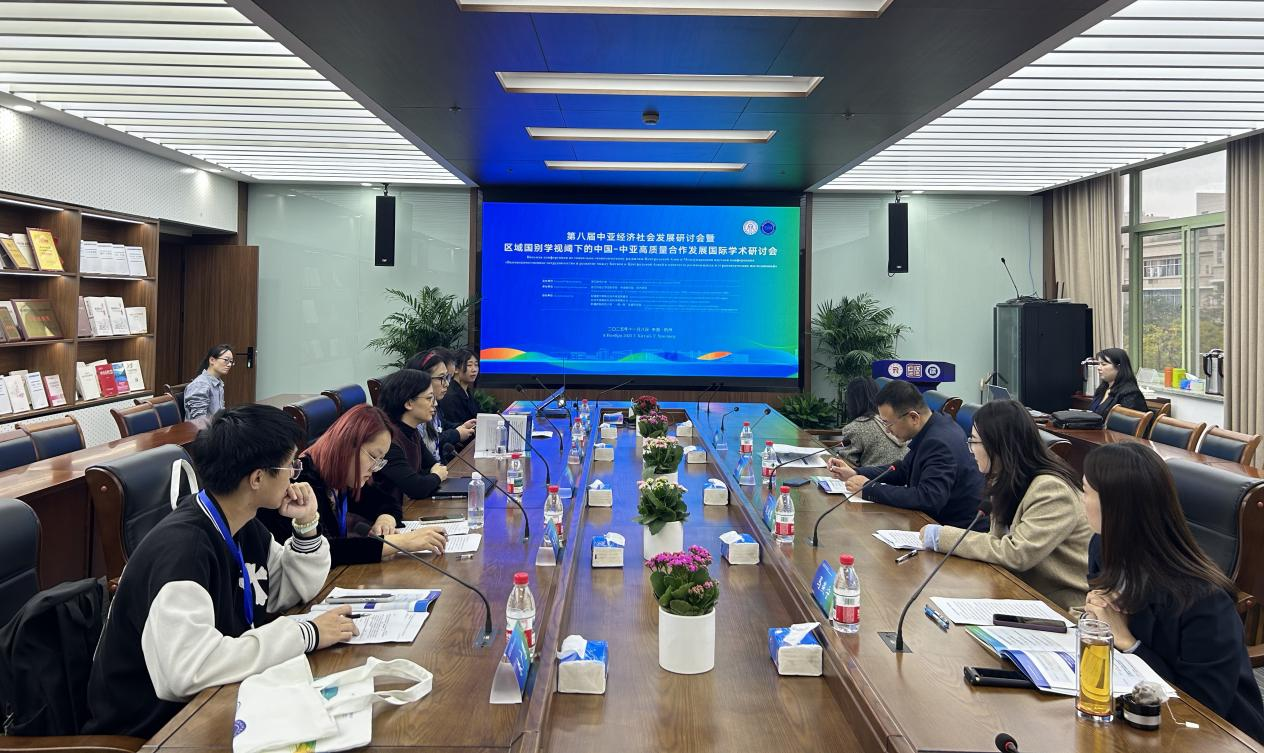
In the conference report session, Chinese and international experts and scholars delivered themed presentations from multiple disciplines, dimensions, and perspectives covering topics such as Belt and Road foreign-related legal services, digital governance of non-traditional security in Central Asia, and area and country cultural exchange practices, providing new insights, solutions, and opportunities for the construction of area studies as a discipline.
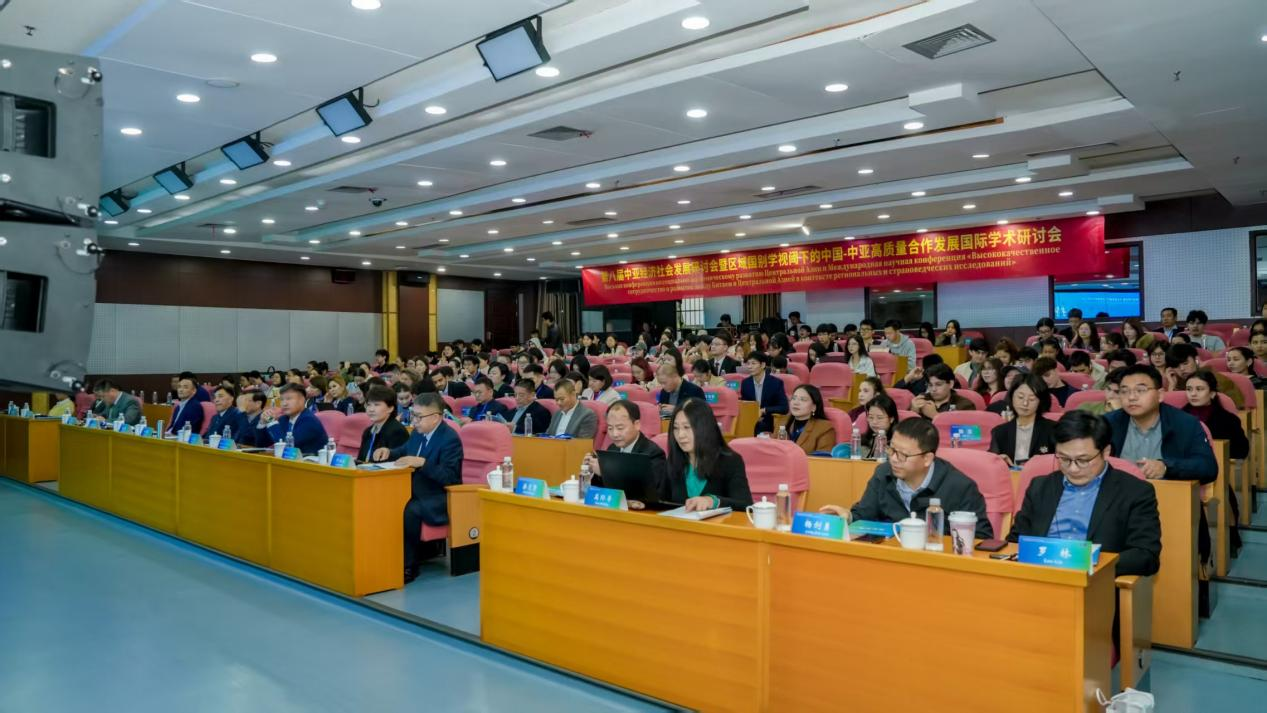
After a full day of intensive discussions, participants not only deepened their understanding of the current status and trends of area studies as a discipline but also gained greater clarity on the direction and pathways of China-Central Asia research. It was widely agreed that China-Central Asia cooperation has broad prospects, and that area studies, as an interdisciplinary field, should further bring together the strengths of government, universities, enterprises, and local communities, strengthen the interaction between theory and practice, and jointly build a new pattern of high-quality development of area studies with Chinese characteristics.
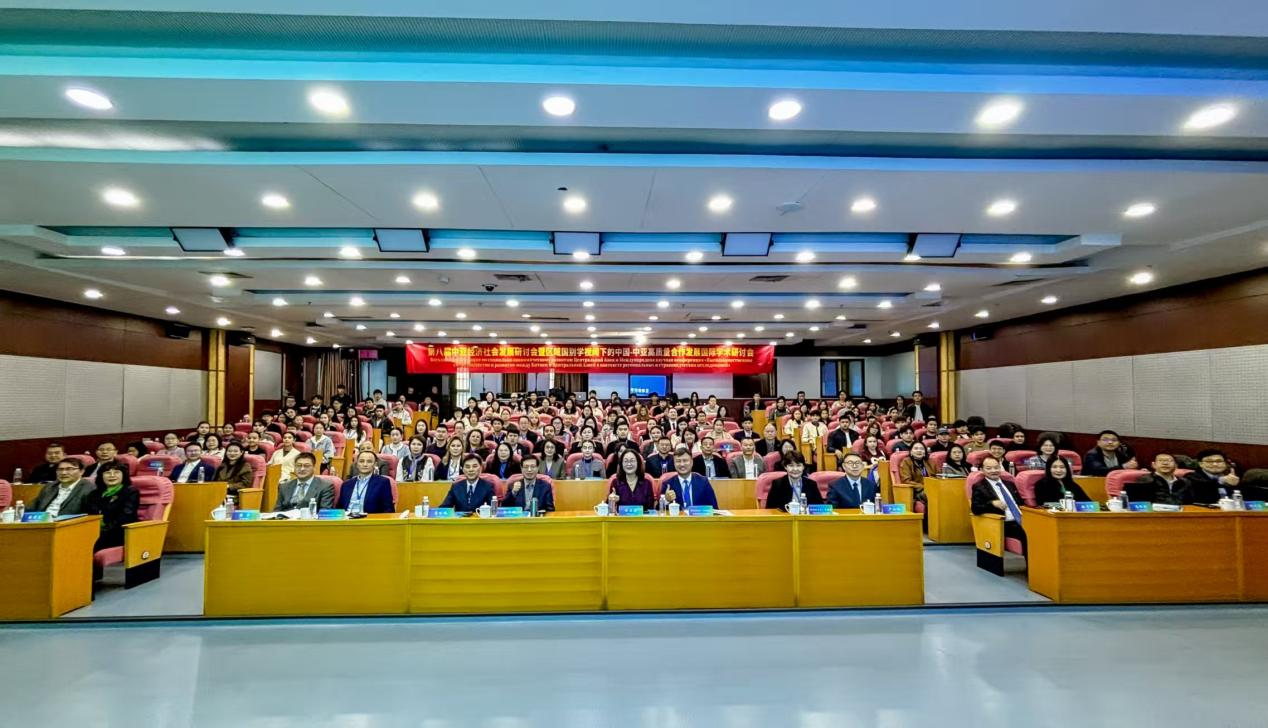
This conference was hosted by Zhejiang University of Finance and Economics (ZUFE), organized by the School of International Education and Studies, the Institute for Central Asia Studies, ZUFE, and the School of Economics, and co-organized by the Management Committee of Xinjiang Horgos Economic Development Zone, Hangzhou Qiantang District Federation of Social Sciences, and the Belt and Road Development Research Institute of Xinjiang Yili Normal University. Continuing its mission of promoting cross-border, cross-disciplinary, and cross-sectoral dialogue and cooperation, the conference created a more open and diverse exchange platform for China-Central Asia area studies scholars, experts, policymakers, and business professionals, fostering China-Central Asia people-to-people and cultural exchanges and educational cooperation.
(Editor: Che Peng)