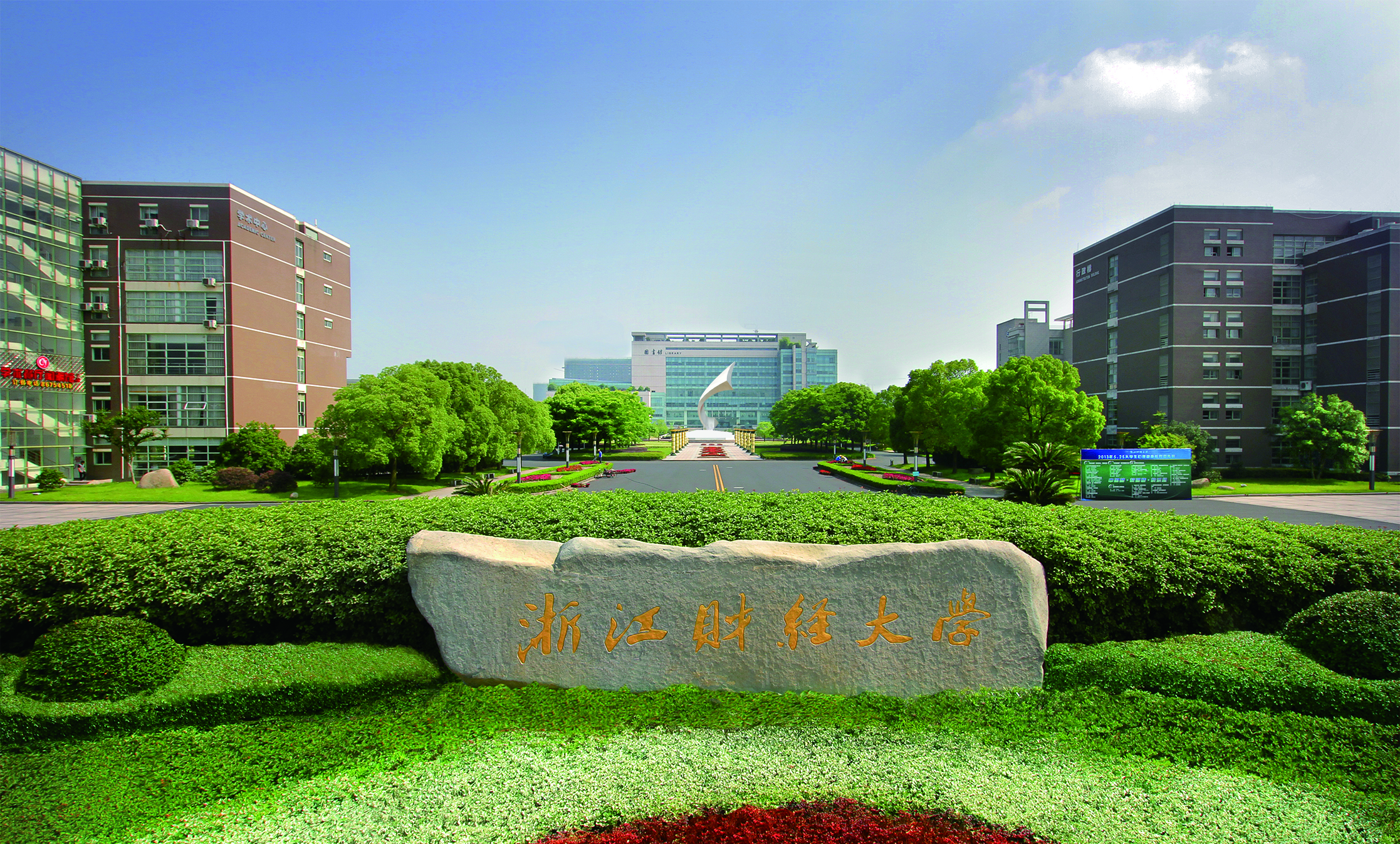
On November 4, the inaugural lecture of the Central Asia Studies Lecture Series, co-hosted by the Institute for Central Asia Studies, ZUFE and the School of Foreign Languages, was held at the Xiasha Campus. Professor Wu Chengyi, Executive Dean of the School of Foreign Languages (School of Area and Country Studies) at Heilongjiang University, Editor-in-Chief of the Yearbook of Chinese Area and Country Studies, former United Nations Military Observer, and Postdoctoral Fellow in Strategic Studies, was invited to deliver a special lecture titled “The Rise of Contemporary Chinese Area Studies from the Perspective of National Rejuvenation.” Vice President Zheng Yali attended the lecture.
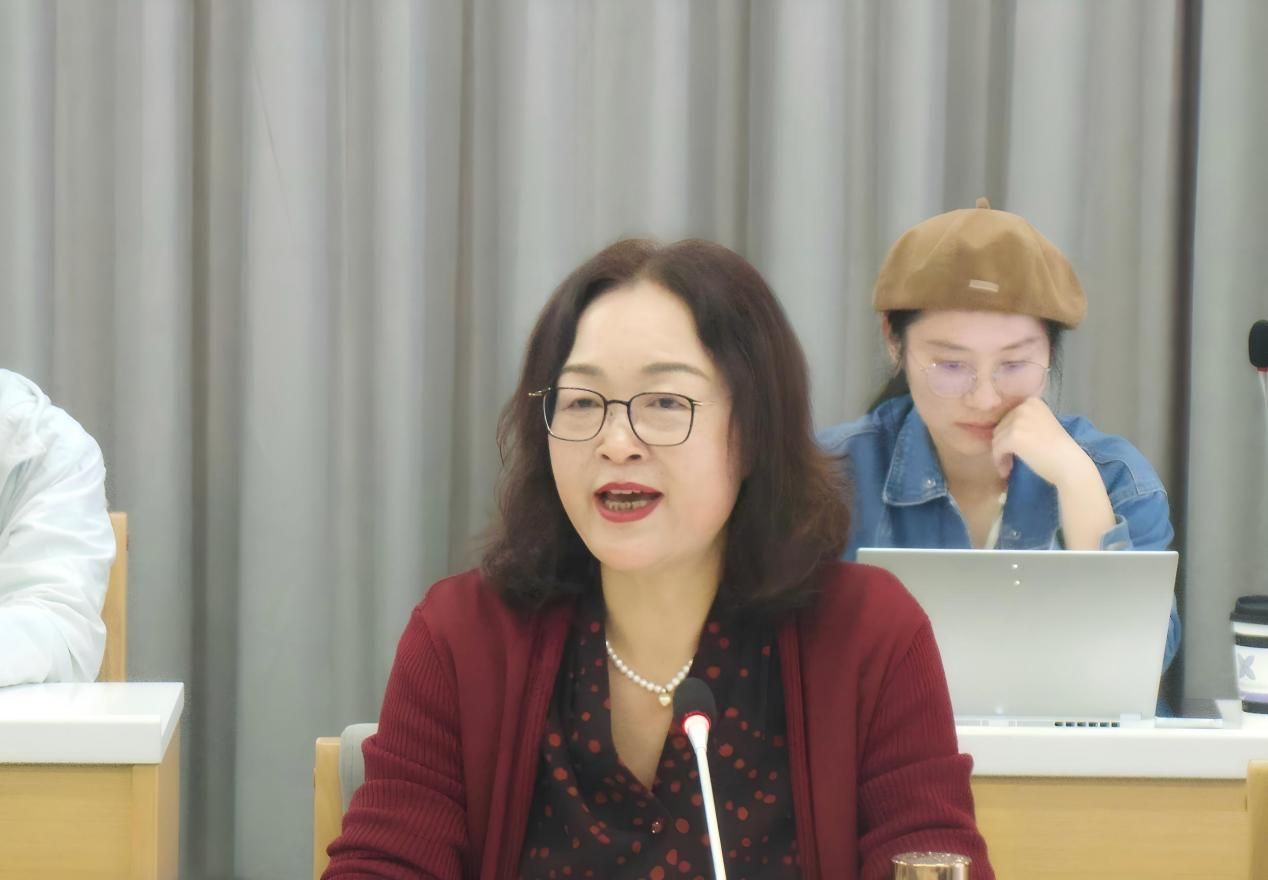
In her address, Zheng Yali gave a brief introduction to the development of the university’s Institute for Central Asia Studies, ZUFE. She pointed out that area studies serve as the core intellectual support for national strategic decision-making, international cooperation, and risk response, and are essential for the university to build a distinctive discipline system and enhance its academic discourse power and international influence, and serving the matters of national significance (‘guo zhi da zhe’).. She stressed that the Central Asia Studies Lecture Series should build a high-level academic exchange platform, explore new theoretical paradigms and research methods, guide the production of original and practically significant outcomes, and deepen the development of the Institute for Central Asia Studies, ZUFE as a provincial area studies research center and provincial key think tank, serving major national strategic needs as well as regional economic and social development.
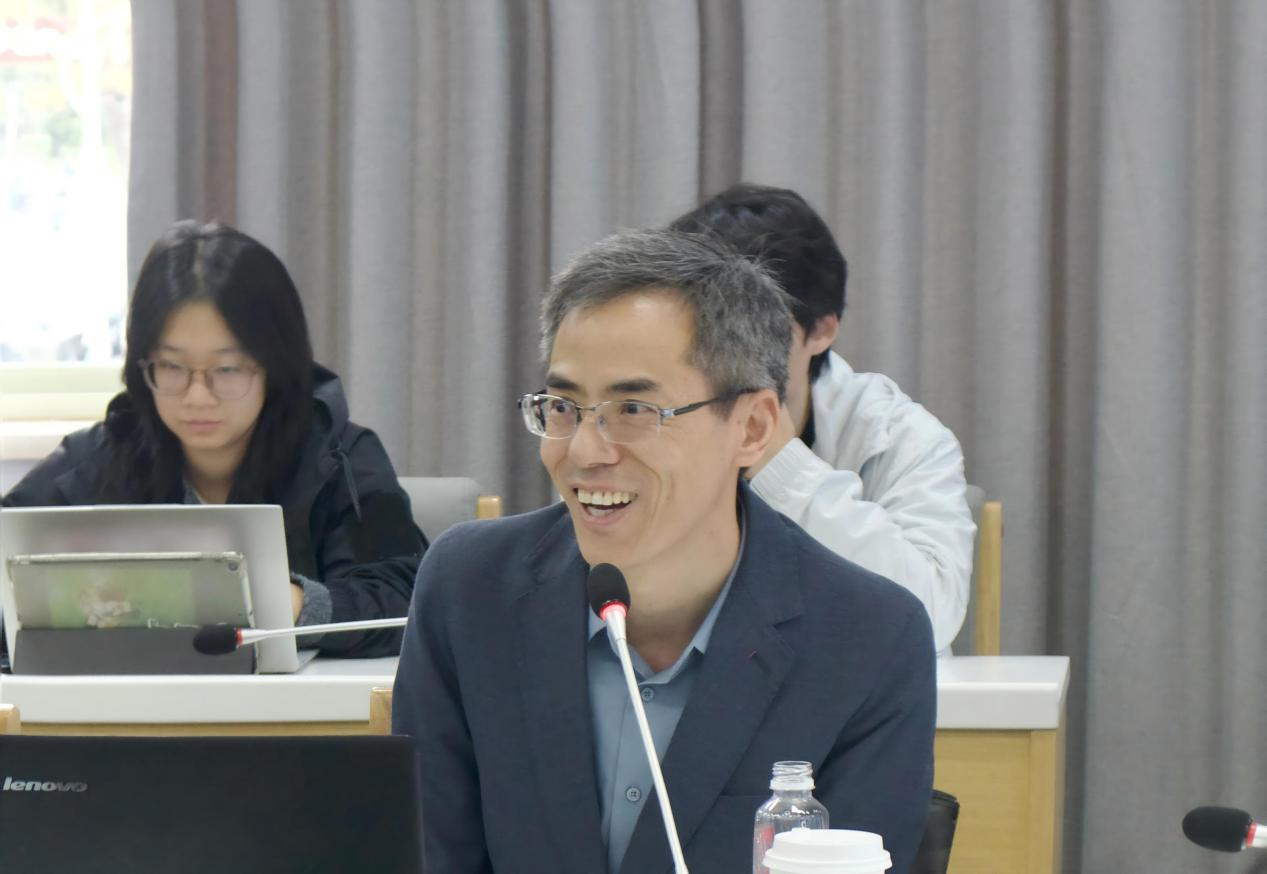
During the lecture, Wu Chengyi systematically reviewed the development trajectory of area studies as a discipline. He proposed that the rise of area studies is closely linked to the process of the Great Rejuvenation of the Chinese Nation, presenting three distinct evolutionary stages: Exploration and Foundation, Expansion and Deepening, and Leapfrog and Rise, reflecting the symbiotic pattern between the rise of great powers and academic prosperity. Drawing on specific manifestations of the leapfrog development of area studies in the new era, Wu Chengyi deeply analyzed its unique value and the connotation of the “Chinese paradigm”. He emphasized that the Chinese Paradigm of area studies should take national rejuvenation as its fundamental driving force, adopt an interdisciplinary organizational form, strive to build a Chinese independent knowledge system, and effectively serve national strategies.
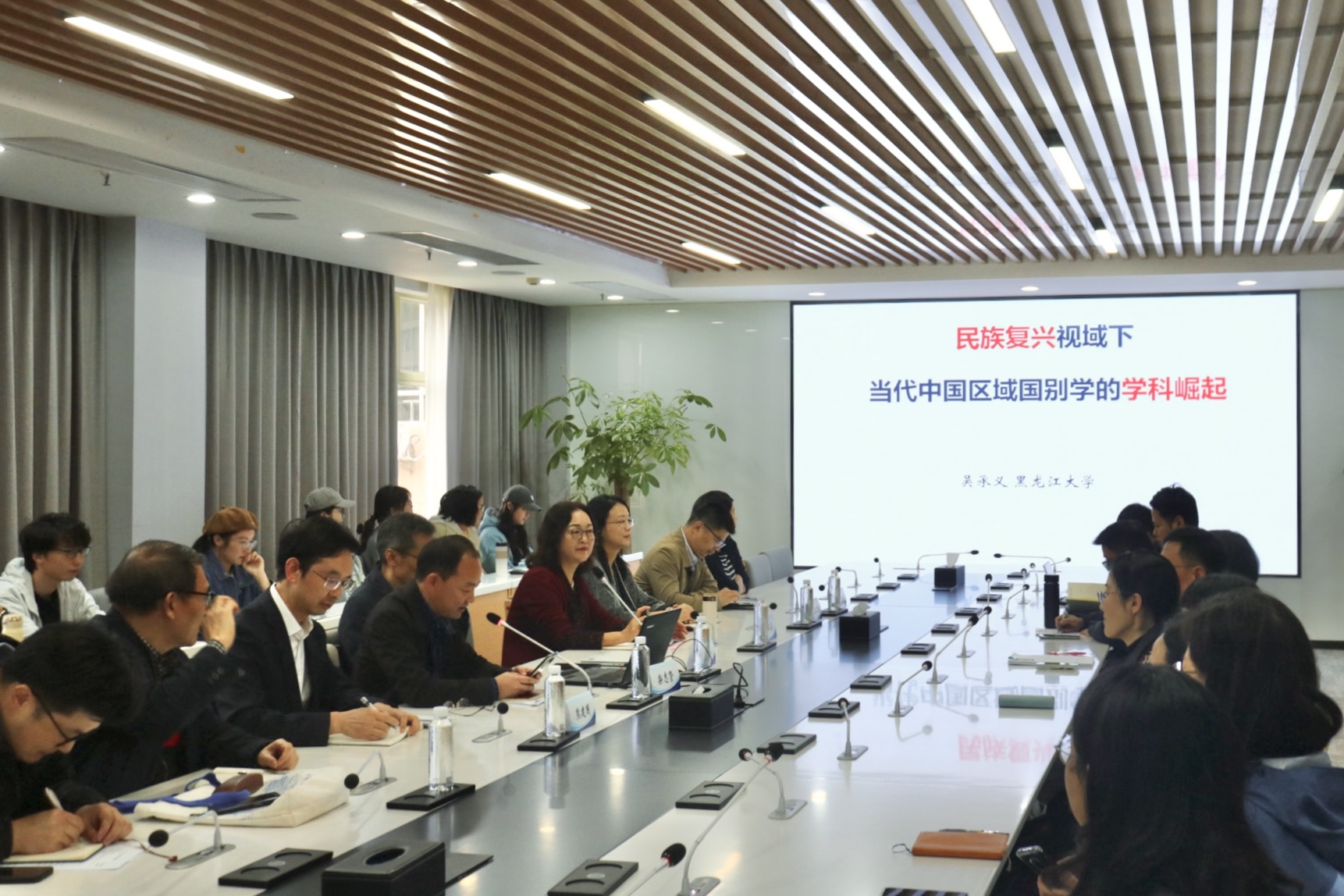
This lecture systematically presented the “past-present-future” development landscape of area studies from a macro perspective. It not only deepened the understanding of participating faculty and students in this academic field but also responded to contemporary issues and academic concerns, holding positive significance for deepening area studies at the university and enhancing its strategic service capability.
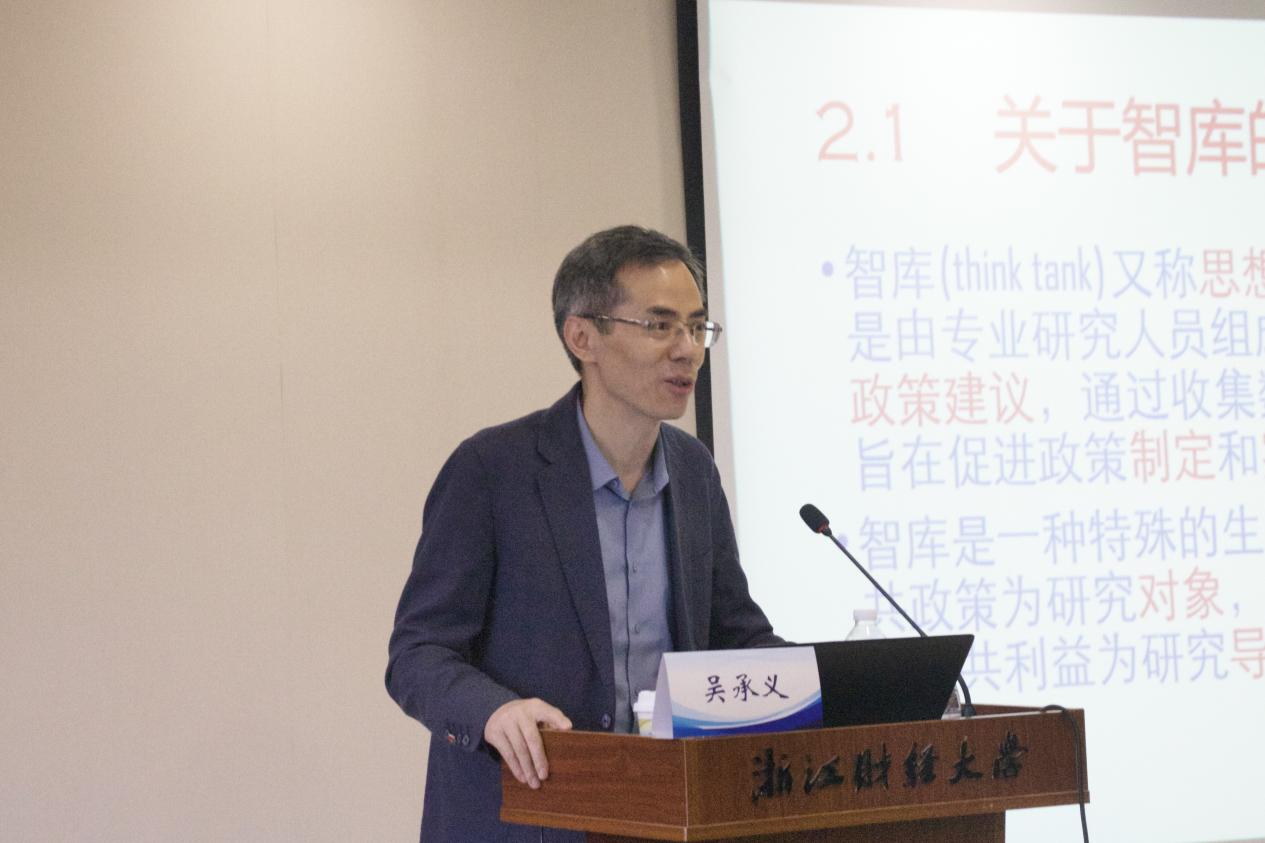
After the lecture, Wu Chengyi also gave a special sharing session for faculty and students of the School of Foreign Languages titled “How University Foreign Language Teachers Can Excel in Think Tank Research.” Wu Chengyi stated that think tank research is an important avenue for foreign language disciplines to serve society and translate research outcomes. He noted that excellent think tank outputs should focus on forward-looking prediction and countermeasure response, ensure reliable information sources and correct positions, and maintain a concise and powerful writing style. He encouraged the participating faculty and students to embrace great ambitions, uphold academic integrity, and steadfastly pursue their research endeavors.
(Correspondent: Yang Lifang; Editor: Che Peng)